ProposalPilot Optimization: Boost Your Proposal Win Rate
Sep 19, 2026 • 9 min
A great proposal shouldn't be a paperwork exercise. It should be a strategic nudge that makes saying "yes" the easiest choice.
If you're using ProposalPilot, you already have a very capable engine for creating clean, consistent proposals. But the platform is only half the story. The other half is how you wire human behavior, pricing cues, and real-world timing into those documents so they actually win deals and lift average deal size.
This post walks through four advanced levers I use with teams: client tiering, pricing psychology, IRL (in-real-life) variable testing, and language that closes. I’ll show you what to change in ProposalPilot, what to test outside the app, and the small phrasing swaps that move the needle.
Why this matters (and when “good enough” isn’t)
Templates are comfortable. They let you crank proposals fast. But the same template sent to 100 prospects is also the same template that gets ignored 100 times.
You want fewer "maybe later" replies and more signed agreements. That requires intentionally different proposals for different clients, and a willingness to experiment with things that don’t live in the PDF—timing, follow-ups, the person who shows up to present.
Here’s the simple rule I use: invest effort where the deal value justifies it. Then test aggressively on everything else.
1) Client tier segmentation: stop treating every prospect the same
One size rarely fits all. Segmenting proposals by client tier isn’t glamorous, but it’s the single change that paid off the most for my teams.
How I define tiers (simple, replicable):
- Tier 1 — strategic/high-value (top 10–15% of pipeline by ARR potential or strategic importance)
- Tier 2 — mid-value (growth accounts, repeatable business)
- Tier 3 — transactional/low-value (one-off or low-margin deals)
What changes between tiers:
- Design and length: Tier 1 gets a narrative-driven, visual proposal (10–15 pages) with tailored case studies. Tier 3 gets a one-pager and a clear price.
- Pricing presentation: Tier 1 includes ROI calculations and optional add-ons; Tier 3 gets fixed packages for quick decisions.
- Human touch: Tier 1 proposals are presented live by an account lead. Tier 3 — delivered via email + a short explainer video.
A quick example from a client I advised: after implementing tiering and pushing bespoke proposals only to Tier 1, they saw a 15% lift in close rate on those accounts within three months. They also reduced wasted prep time on low-value deals. That 15% came directly from focused research and swapping generic case studies for a short, relevant one showing a 3.2x ROI.
How to set this up in ProposalPilot
- Create modular content blocks labeled by tier.
- Use conditional sections so Tier 3 proposals strip out heavy legal language and extra pages.
- Tag opportunities in your CRM so ProposalPilot templates auto-select the right modules.
Do this once, and you’ll save time while converting the right clients.
2) Pricing psychology: present numbers so clients want to buy
Pricing is persuasion. How you show numbers affects whether clients see cost or value.
Key tactics to try in ProposalPilot:
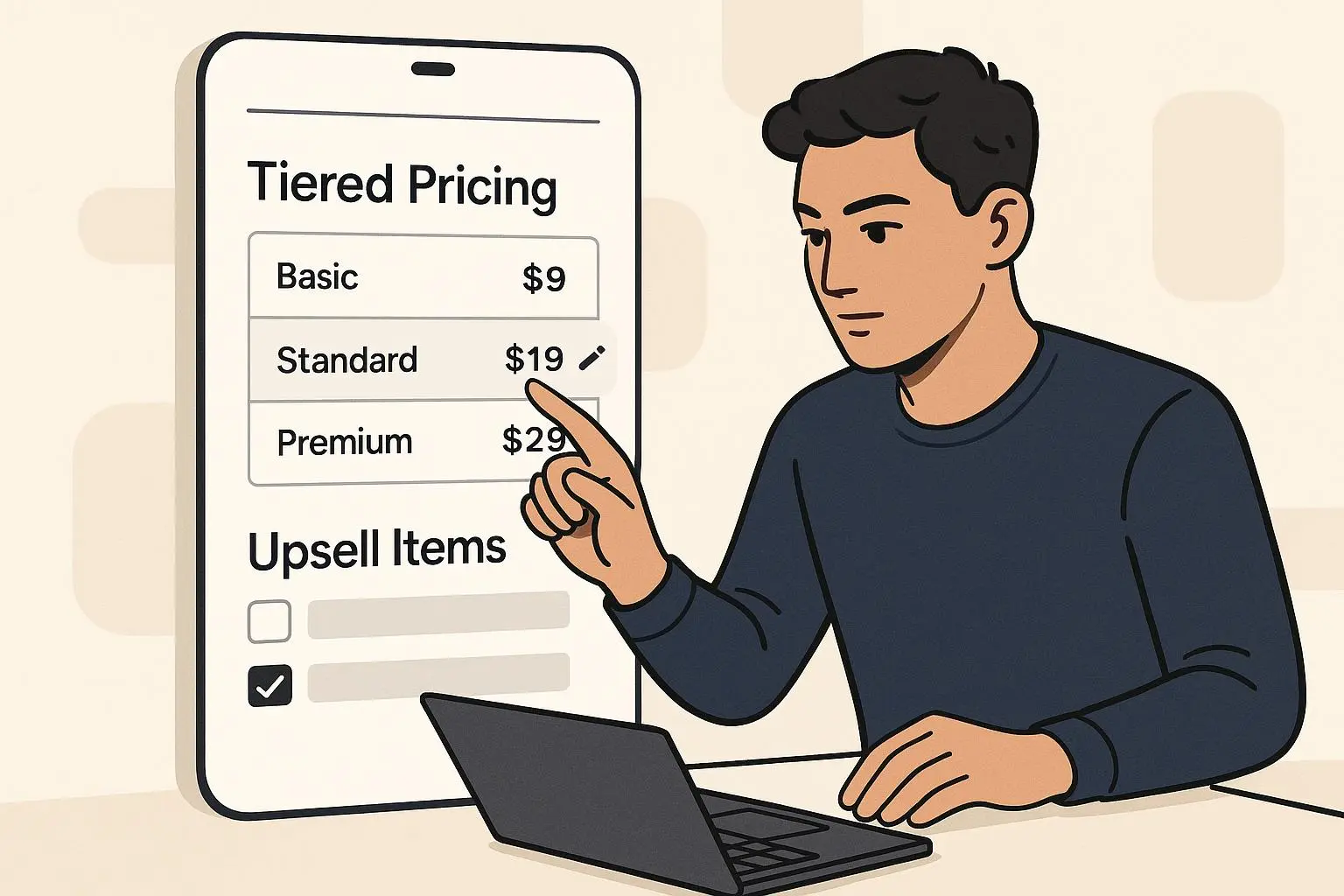
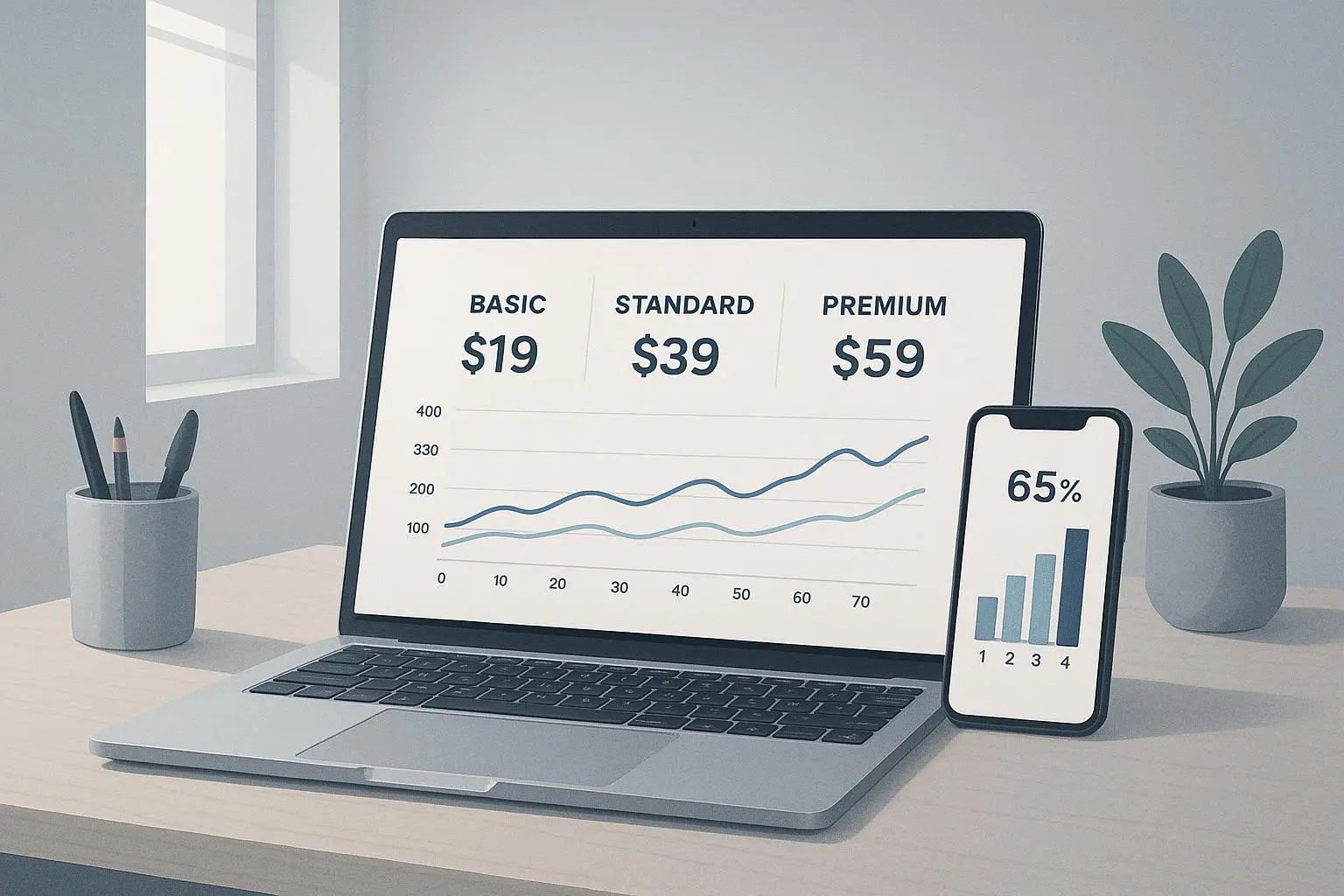
- Anchoring: Lead with a "Premium" option first. Even if you expect them to choose the "Core" package, that higher anchor makes the core price feel reasonable.
- Decoy effect: Add a slightly worse, similarly priced option so the package you want becomes the obvious pick.
- Value framing: Replace cost-first lines with ROI-first lines. Example: "Investment: $45k/year" becomes "This saves you an estimated $120k annually through X and Y."
- Charm pricing (use sparingly): $49,900 vs. $50,000 can nudge perception. In B2B it’s subtle, but it works with procurement teams.
- Package naming: "Essentials / Growth / Partner" beats "Tier 1/2/3." Words matter.
A friend on a sales panel told me they added a decoy option into their ProposalPilot templates and the middle option became the default pick within weeks. It’s not magic. It’s behavioral economics applied consistently.
Implementation tips
- Build packages as reusable modules in ProposalPilot.
- Put a quick ROI line under each price: “Estimated payback: 4 months.”
- Track which package is chosen automatically in your pipeline so you can iterate.
Ethics note: use scarcity and urgency honestly. False deadlines break trust faster than a lost deal.
3) Test IRL variables: the human moves that change outcomes
The document matters. But the moments before and after sending it matter more than most teams realize.
IRL variables to A/B test:
- Follow-up cadence: immediate call vs. 24-hour email vs. 72-hour wait. We found a 24-hour personalized follow-up email plus a calendar link outperformed a cold call the next day.
- Presentation style: demo-led vs. story-led vs. workshop approach. For complex solutions, a 30-minute discovery workshop as part of the proposal review increased acceptance by ~10% in my last project.
- Who presents: an account executive vs. a founder vs. a subject-matter expert. People buy people. For Tier 1, bring the expert or founder.
- Onboarding preview: show a 30-day onboarding plan inside the proposal. That reduces perceived risk and speeds decision-making.
Concrete case: I coached a small agency that struggled to close despite good proposals. We swapped a generic follow-up email for a 24-hour personalized message that included one specific win relevant to the prospect’s industry and a single-sentence onboarding plan. Their time-to-close dropped from 28 days to 12 days on average.
How to capture results
- Log every outreach step in your CRM.
- Tag proposals with the presentation style used and track win rate by tag.
- Run simple A/B tests for two weeks at a time — short tests reveal trends fast.
Remember: ProposalPilot handles the document. You have to own the human sequence.
Micro-moment: once, a prospect accepted because I mentioned, in a single sentence, that we’d blocked three weekdays for onboarding. They replied, “Won’t find that availability elsewhere.” Small operational details build trust.
4) Proven phrasing: words that move decision-makers
You can polish visuals forever, but a few language changes produce outsized gains.
Swap these phrases:
- From "Our solution provides..." to "You will achieve..."
- From "We can deliver in X weeks" to "You will be seeing Y results within X weeks"
- From "Costs" to "Investment and expected return"
- From "If you have concerns" to "Common concerns and how we prevent them"
Add these elements:
- Short customer proof in-line: one sentence + metric (logo bar below the header).
- Explicit next steps: "Approve this proposal by signing below. We’ll schedule kickoff within 3 business days."
- Objection handling block: a small Q&A addressing cost, timing, and integration.
I once swapped "implementation fee" to "one-time onboarding investment" across dozens of proposals. It read better, but more importantly clients asked fewer questions and accepted faster.
Templates that win
- Lead with a one-sentence outcome: “This proposal will reduce time-to-market by 30% in six months.”
- Use a single-table pricing section with the recommended option highlighted.
- Close with a bold, single CTA: “Sign to begin” or “Choose your start date.”
Where teams get stuck (and how to move past it)
Common roadblocks:
- Over-customizing every proposal. Fix: reserve customization for Tier 1 only.
- Analysis paralysis on pricing experiments. Fix: pick one lever (anchoring or decoy) and run it for 6–8 weeks.
- Not tracking results. Fix: log wins/losses and at least one variable (presentation style, follow-up cadence, or package chosen).
If your team is small: start with a lightweight tiering (only two tiers) and one pricing test. You can scale complexity later.
Quick playbook: what to change this week
- Tag your current pipeline into Tier 1/2/3.
- Create modular content blocks in ProposalPilot for each tier.
- Add an anchor (premium) option to your standard pricing table.
- Script a 24-hour personalized follow-up email and test it for two weeks.
- Swap three phrases in your template to be client-outcome focused.
Do these five things and you’ll see measurable improvements in both velocity and win rate within a month.
How to measure success
Track these metrics:
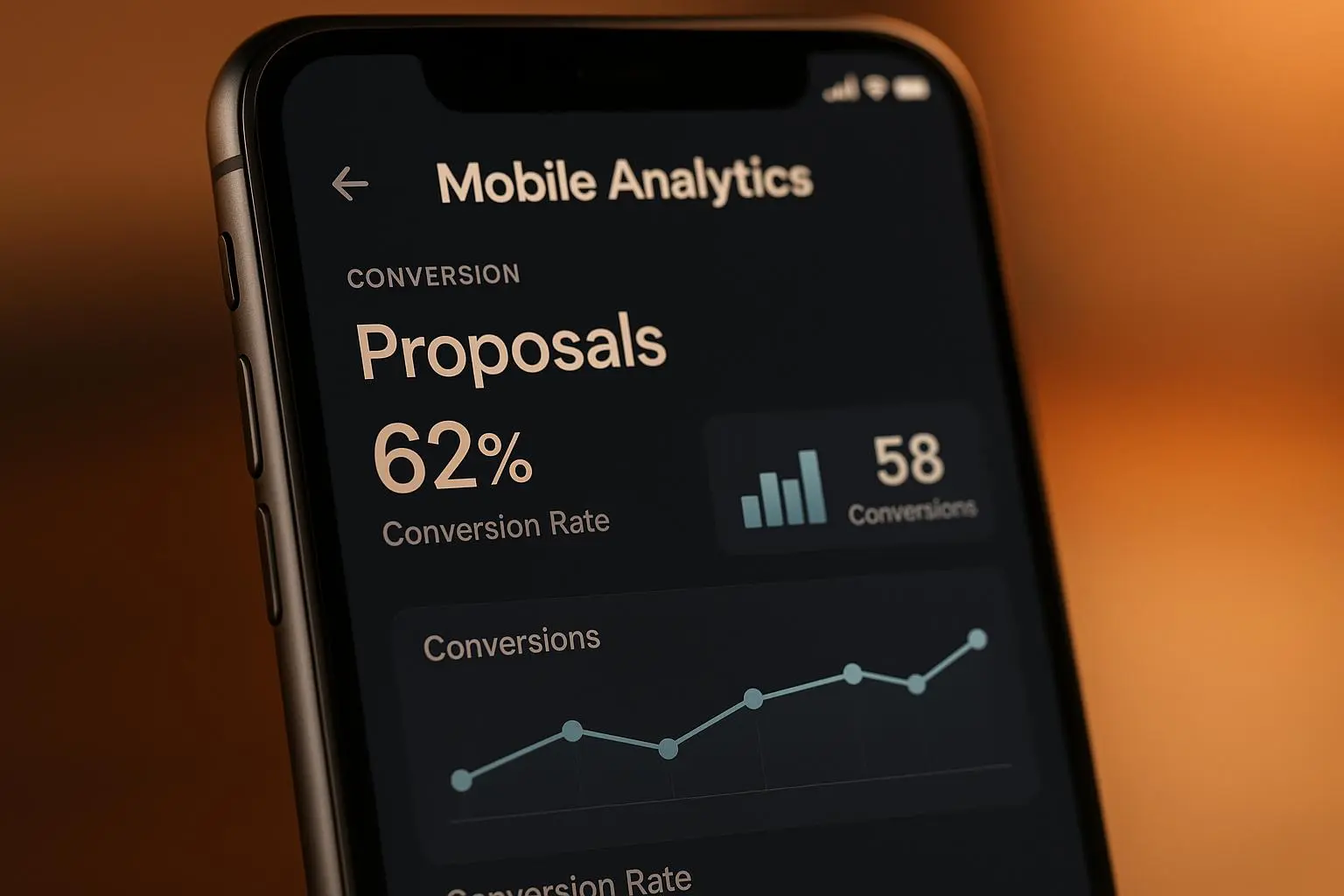
- Win rate by tier (compare before/after)
- Average deal size by package
- Time-to-close
- Proposal-to-presentation conversion (did they view and schedule a review?)
- Churn rate of newly onboarded clients (to ensure pricing changes aren’t attracting wrong-fit clients)
Collect qualitative feedback too. A short post-mortem with lost deals often surfaces one repeatable objection you can fix in the template.
Final note: iterate, don’t perfect
Proposal optimization is continuous. Run small, repeatable experiments. Keep the tests short, track one primary metric, and iterate.
I’ve seen teams waste months rewriting templates instead of testing one follow-up cadence, and they got faster wins from the human side than any design refresh could produce.
If you treat ProposalPilot as the starting point—not the finish line—you’ll turn proposals into predictable revenue levers rather than paperwork.