Advanced ProposalGenie Strategies: Pricing Models, Upsells, and Custom Client Templates
May 6, 2026 • 9 min
If your proposals still read like invoices with a sprinkle of marketing fluff, you’re leaving money on the table. Proposal software like ProposalGenie fixes formatting and e-signatures, but the real gains come from strategy: pricing architecture, built-in upsells, negotiation language, and reusable templates that actually convert.
This is actionable, not theoretical. I’ll show you what to build, how I tested it, and the small tweaks that change “maybe” into “signed.”
Why tiered pricing isn't optional anymore
Here’s what I learned the hard way: presenting a single number forces a binary decision—yes or no—which often ends in “no.” Human brains want context. Give them three options and they find their sweet spot.
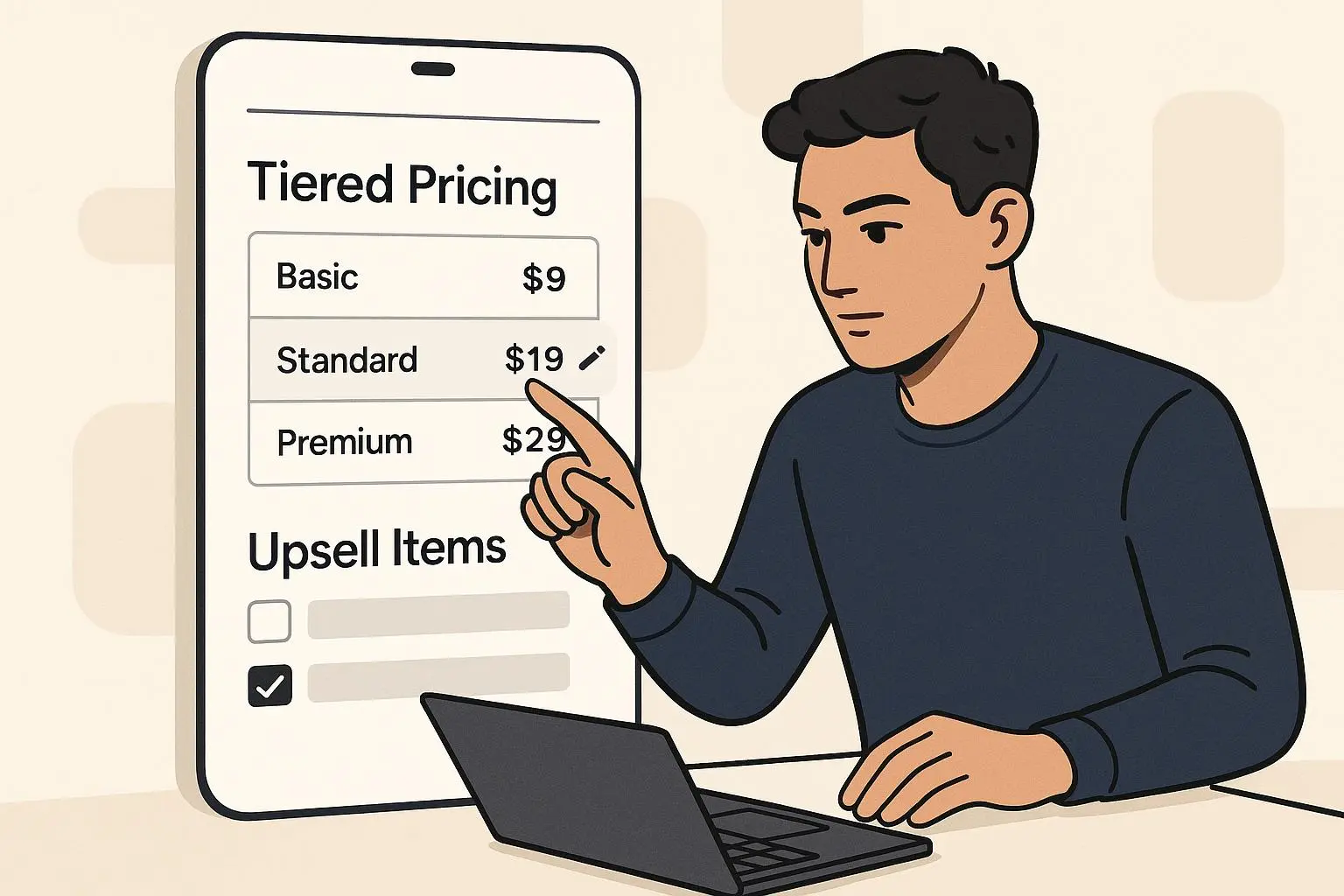
The framework I use: Bronze (entry), Silver (recommended), Gold (anchor). The Silver is where you aim to land. The Gold makes Silver look like a bargain. The Bronze protects your floor price without making you look cheap.
Quick numbers: when agencies go from single-price to three-tiered offers, average deal sizes often rise 20–40%. One forum user reported a 35% lift after switching formats. That’s not hype — it’s anchoring and decoy effects in action[1].
How to build the tiers that actually sell
- Bronze = the core outcome, tightly scoped, rapid delivery. Use it to avoid discounting.
- Silver = your standard sale: add meaningful deliverables (reporting, one extra revision) and label it "Most Popular."
- Gold = premium: extended timelines, priority support, post-launch audits. Make it expensive enough to anchor but logical enough to justify.
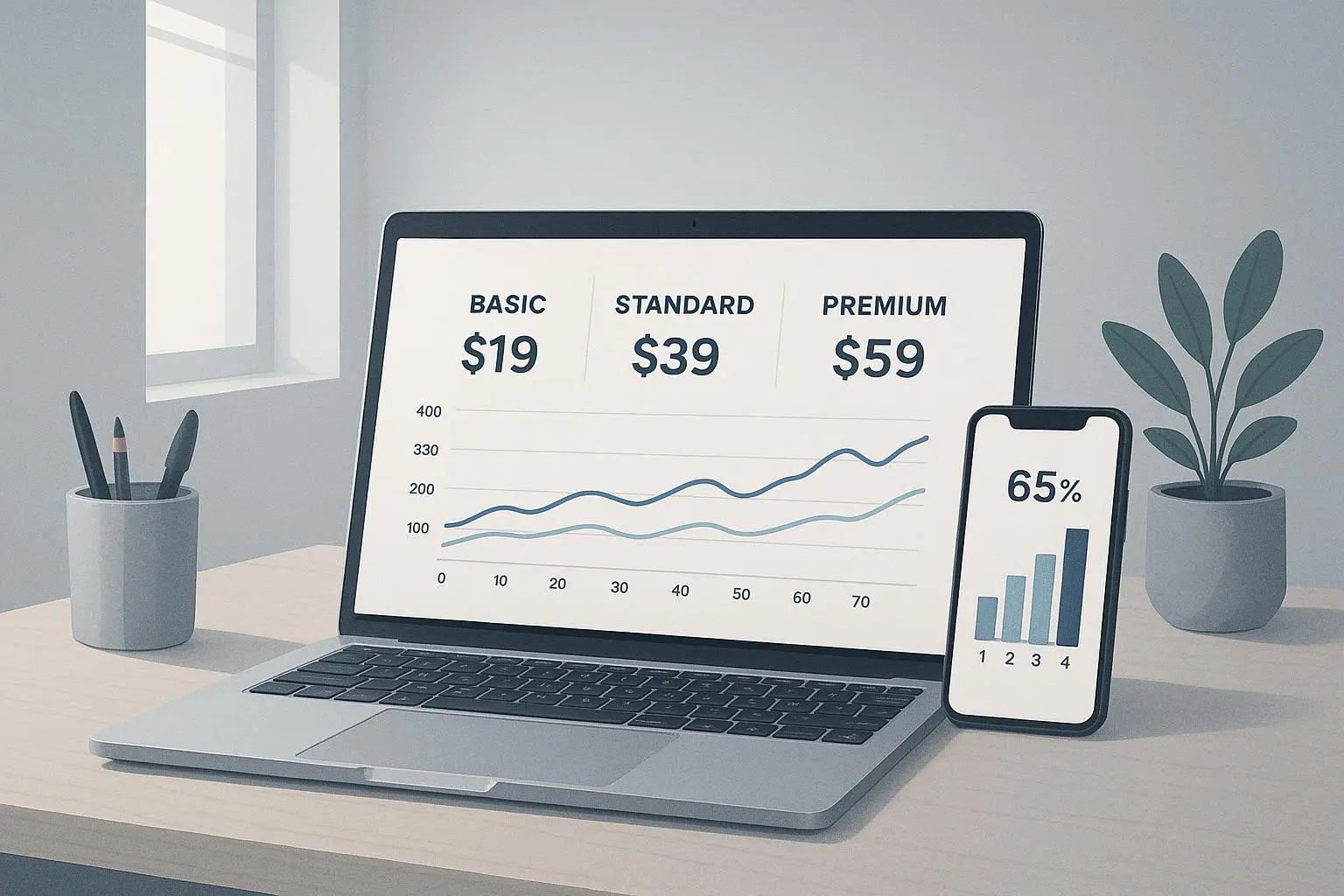
A simple pricing grid that highlights ROI metrics per tier (time to value, expected outcomes, risk mitigation) increases acceptance. People will pick the middle option when the difference between Bronze and Silver is framed as “more reliable” and between Silver and Gold is framed as “complete insurance.”
The decoy trick that’s ethical and effective
Don’t invent useless features to inflate Gold. Add real, defensible value that many clients don’t need but some will pay for. Examples: a 60-day post-launch performance audit, dedicated onboarding hours, extra security testing.
Two ways to implement the decoy:
- Make Gold slightly more expensive but include a high-perceived-value add (post-launch audit). This pushes Silver.
- Or make Gold dramatically more expensive with enterprise-level features, anchoring Silver as the sensible choice.
Either approach works—pick the one that fits your target buyer.
Upsells that don’t feel like sneaky add-ons
Clients hate surprise fees. They love optional services that solve a real pain.
I recommend packaging upsells as risk mitigators or accelerators. These are intuitive and sellable.
High-margin examples:
- Implementation or Training Workshops (virtual or on-site)
- Dedicated Migration or Integration Blocks
- Fast-Track Delivery (guaranteed timeline)
- Extended Warranty or SLA packages
Practical framing matters more than the idea. Call it "Risk Mitigation & Knowledge Transfer" rather than "Training." Clients buy insurance; they don’t buy training.
A consultant I follow charges $2,500 for a 4-hour virtual knowledge-transfer workshop and sells it to about 40% of clients. That’s almost pure margin and increases project success rates—so the upsell pays for itself in referrals and lower churn.
Embedding upsells in ProposalGenie
ProposalGenie (and similar platforms) supports conditional logic. Use it to make upsells contextual:
- Show the workshop option only when the client selects a higher scope.
- Offer expedited delivery in exchange for earlier signatures.
- Present retainer options after a one-off project is chosen.
Conditional logic keeps your base price clean and allows you to anchor higher while letting the client customize value.
Negotiation language that preserves price and dignity
When prospects ask for discounts, most teams panic and shave numbers. Don’t. Swap a price cut for a value exchange.
Use short, prescriptive counters:
- “Instead of 10% off, we can include an additional revision if you sign within 7 days.”
- “For an earlier kickoff, we can offer priority resourcing—no price change.”
Embed these in ProposalGenie as pre-approved negotiation snippets so sales reps stay consistent. This reduces margin leakage and keeps your perceived value high.
Micro-moment: I once watched a CFO light up when I replaced “10% discount” with “Two-week delivery guarantee.” The guarantee mattered more than the price cut.
Templates that cut time, not soul
Speed is useful. Authenticity sells. Templates must be modular and persona-aware.
What I recommend:
- Build 8–12 core templates for your main service lines.
- Inside each template, create modular blocks: executive summary, methodology, bios, pricing grid, legal terms.
- Tag modules by persona: cto-, cmo-, founder- so you can assemble proposals that speak directly to the decision-maker.
One agency I know slashed proposal time from four hours to under 45 minutes by doing this. They spent most of the remaining time personalizing scope and pricing justification. That’s the sweet spot: fast assembly, focused customization.
Persona-specific tweaks that matter
A CTO cares about integrations, SLAs, and security. A CMO cares about conversion lift and creative direction. Same project—different lenses. Use language, KPIs, and visual cues that match.
Small change: swap a security section into the CTO-ready template and highlight uptime/SOC compliance. That single adjustment increases engagement with technical buyers.
Automate after signature—don’t let the momentum die
A signed proposal is the start of the revenue journey, not the finish line. Automate onboarding and LTV nudges.
What to trigger on e-signature:
- Send a tailored welcome packet and kickoff agenda
- Auto-schedule the kickoff call (integrate Calendly/Google Calendar)
- Create the initial sprint/milestones in your PM tool
- Open a billing schedule or retainer conversation 30–45 days before project completion
Use the final page of the proposal to show a simple ROI trajectory: one-off project vs. 6-month retainer. If you can show a clear dollar outcome for retention, you’ll convert more ongoing work. One SaaS team used this exact tactic and saw higher retainer uptake when the numbers were right in front of the client.
Measuring what actually moves the needle
Stop guessing. Track these metrics religiously:
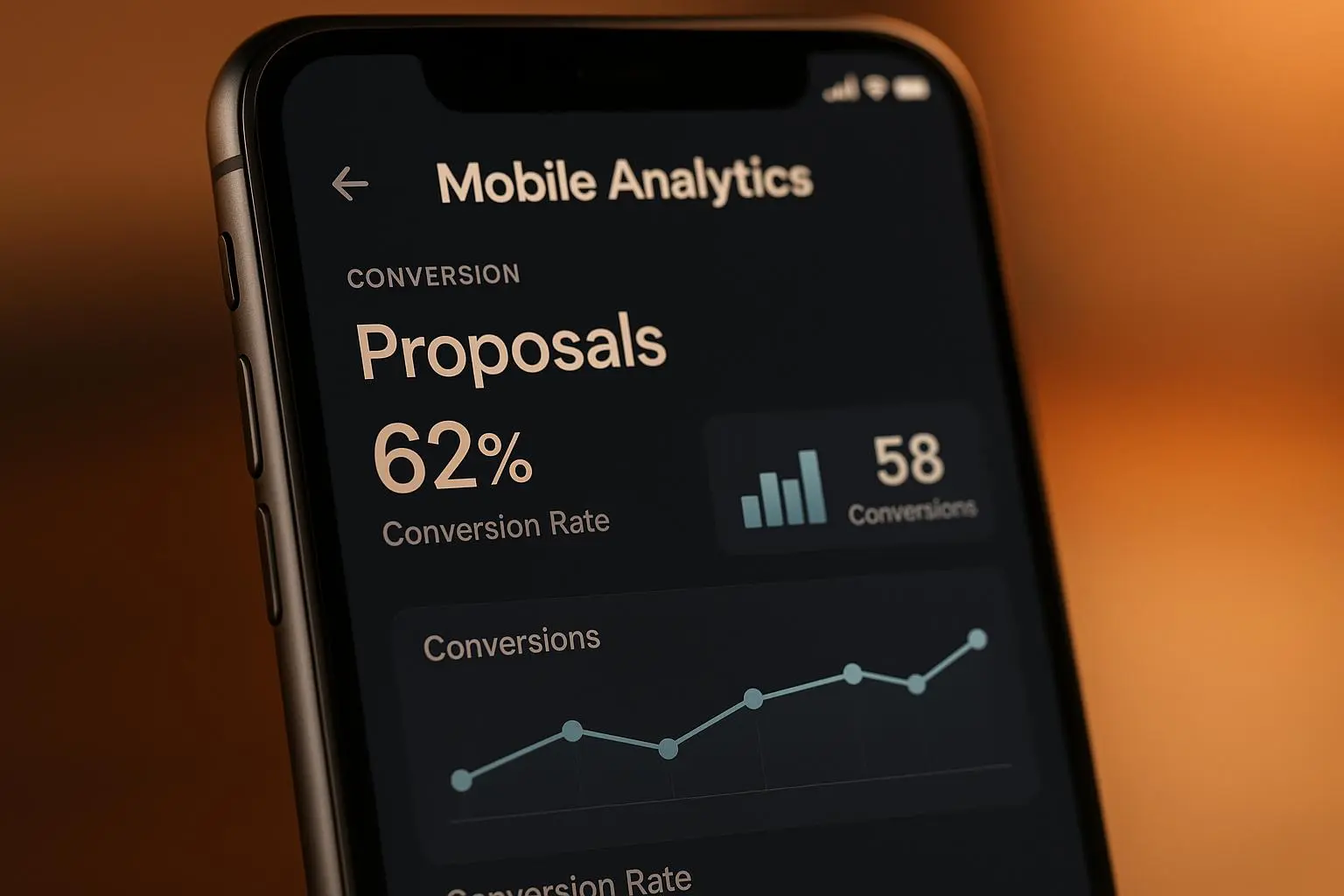
- Proposal-to-sign ratio (by template)
- Average deal size (pre- and post-tiering)
- Upsell attach rate (percentage of deals with workshops or retainer add-ons)
- Time-to-sign (days from first proposal sent to signature)
- Revenue per client in first 12 months (LTV proxy)
If you implement tiered pricing and conditional upsells, segment results by buyer persona and industry. Some verticals love premium bundles; others prefer narrow, low-risk scopes.
A 100–200 word real story (what I did and what happened)
Two years ago my team lost three deals in a row to price objections. I stopped the churn and ran an experiment. I rebuilt our standard proposal into three tiers, added a $2,000 "implementation workshop" as an optional upsell, and embedded conditional logic so the workshop only appeared when the client selected Silver or Gold.
We tracked results for three months. The middle tier became the default pick—our average deal size rose 28%. The workshop sold at a 36% attach rate and was effectively all margin. More importantly, projects with the workshop closed faster and had fewer scope creep issues. Our churn in the first 90 days fell by half. Those numbers paid for the experiment in the first quarter.
Implementation checklist: quick wins you can do this week
- Build three-tier pricing for your top three service lines
- Create one high-margin workshop and price it as insurance (not extra)
- Add conditional logic to show upsells contextually
- Make two persona-specific templates (CTO, CMO) and test response rates
- Automate an onboarding sequence triggered by e-signature
Do the smallest, highest-impact actions first. You’re trying to change behavior—not redesign your entire business in one go.
Common roadblocks and how I overcame them
- “Templates are generic.” Fix: add persona hooks and one custom paragraph for each client.
- “Sales hates rigid negotiation scripts.” Fix: give reps approved options (value-add swaps) and freedom within guardrails.
- “Legal complains about conditional pricing.” Fix: standardize language and have legal pre-approve all conditional templates.
If you’re honest, these are implementation problems, not strategy failures. The patterns are repeatable.
When to keep it simple (the contrarian note)
Tiering isn’t a sacred law. For some commodity services or high-volume, low-touch offers, a single clear price wins. Test. If your conversion drops after adding tiers, strip them back. Data > dogma.
What success looks like in 90 days
- Proposal-to-sign rate improves by 10–25%
- Average deal size grows by 15–30%
- Upsell attach rate hits 25–40% for workshops
- Proposal generation time reduced by 50–75% via modular templates
- Increased number of clients transitioning to retainers (measurable LTV lift)
Those are realistic if you apply the steps above and keep iterating.
Final thought: Proposals are sales tools, not paperwork
Treat proposals as living sales assets: test pricing frames, measure outcomes, and make the document pull double duty as onboarding and LTV engine. When you build proposals this way, they stop being administrative chores and become predictable drivers of revenue.
References
Footnotes
-
Mullainathan, S., & Shafir, E. (2013). Scarcity: Why Having Too Little Means So Much. Retrieved from https://www.goodreads.com/book/show/16154434-scarcity ↩