Optimize Your Rates: Advanced Strategies Using the Freelance Pricing Calculator
May 8, 2026 • 9 min
Pricing isn’t just math. It’s psychology, framing, and momentum. It’s the difference between a sustainable freelance career and a constant race to the bottom. I learned this the hard way, with a client who loved my work but kept pushing my price down until I almost burned out trying to prove my value. That experience didn’t just teach me to raise rates thoughtfully; it taught me to test pricing in real time, with tools that show you (not guess) what happens when you change one number or one package.
And no, this isn’t another “10 tips” post. It’s a clear path to higher income by combining three core ideas—tiered packages, anchoring, and disciplined discounting—with a back-pocket tool you can actually use on your phone: the Freelance Pricing Calculator. A backendless mobile app that lets you model scenarios, see how small changes compound, and walk into conversations with data rather than bravado.
A quick moment to start: I’ll admit I used to walk into client meetings with a single number and a shrug. The moment I switched to presenting a small, strategic bundle and a higher anchor first, something changed. Clients started to evaluate value, not price, and I stopped feeling like I was begging for work. That shift didn’t just improve my numbers; it changed how I felt about the work I do.
If you’ve ever felt that tug-of-war between fairness and profitability, you’re not alone. The psychology of price isn’t about trickery; it’s about clarity, structure, and showing clients a path they can see themselves on. Let me show you how I built this approach, how a calculator becomes your secret weapon, and how to implement it in real client conversations.
And one more thing you’ll notice early on: pricing is a signal. It signals your confidence, your control over scope, and your respect for your own time. When you lead with a clear package and a sensible anchor, you invite clients to say yes to value, not just to your hours.
Before we dive in, here’s a micro-moment that still sticks with me. I once spent an hour drafting a polished proposal, only to realize I’d included a big chunk of deliverables that didn’t add measurable value for the client. I trimmed the scope, rewrote the core outcome in a single sentence, and kept the price steady. The client signed that afternoon. Clarity isn’t a luxury—it’s a currency.
How I actually made this work
If you’re here, you’re probably tired of guessing and tired of negotiating against yourself. You want a framework that scales with your experience, not a brittle set of rules you outgrow in six months. The Freelance Pricing Calculator is the backbone of this approach. It’s a mobile tool that works without a backend, letting you model scenarios, test how changes ripple through your bottom line, and practice your client conversations with numbers you actually trust.
Here’s the core workflow I use, and the exact reasons it works.
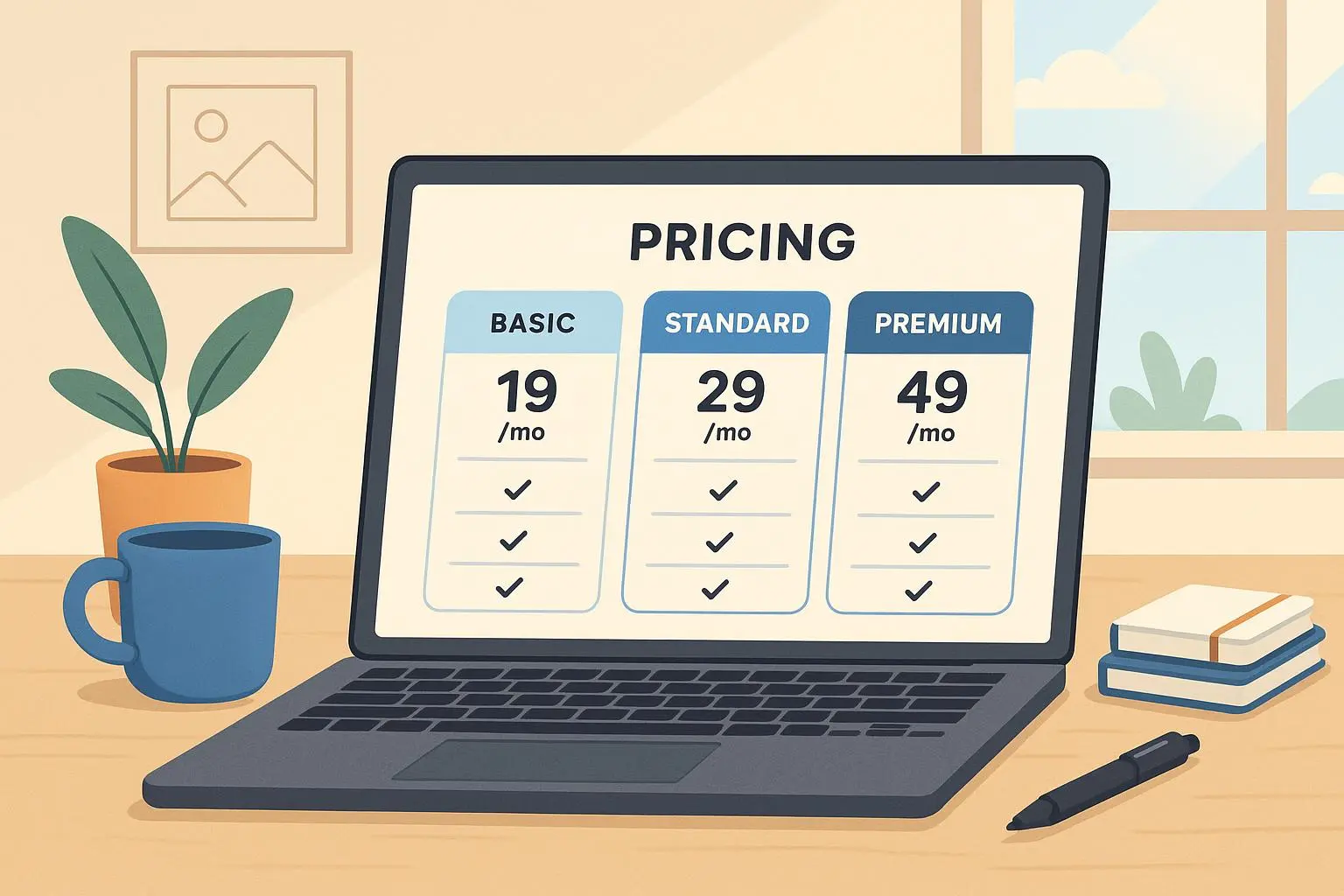
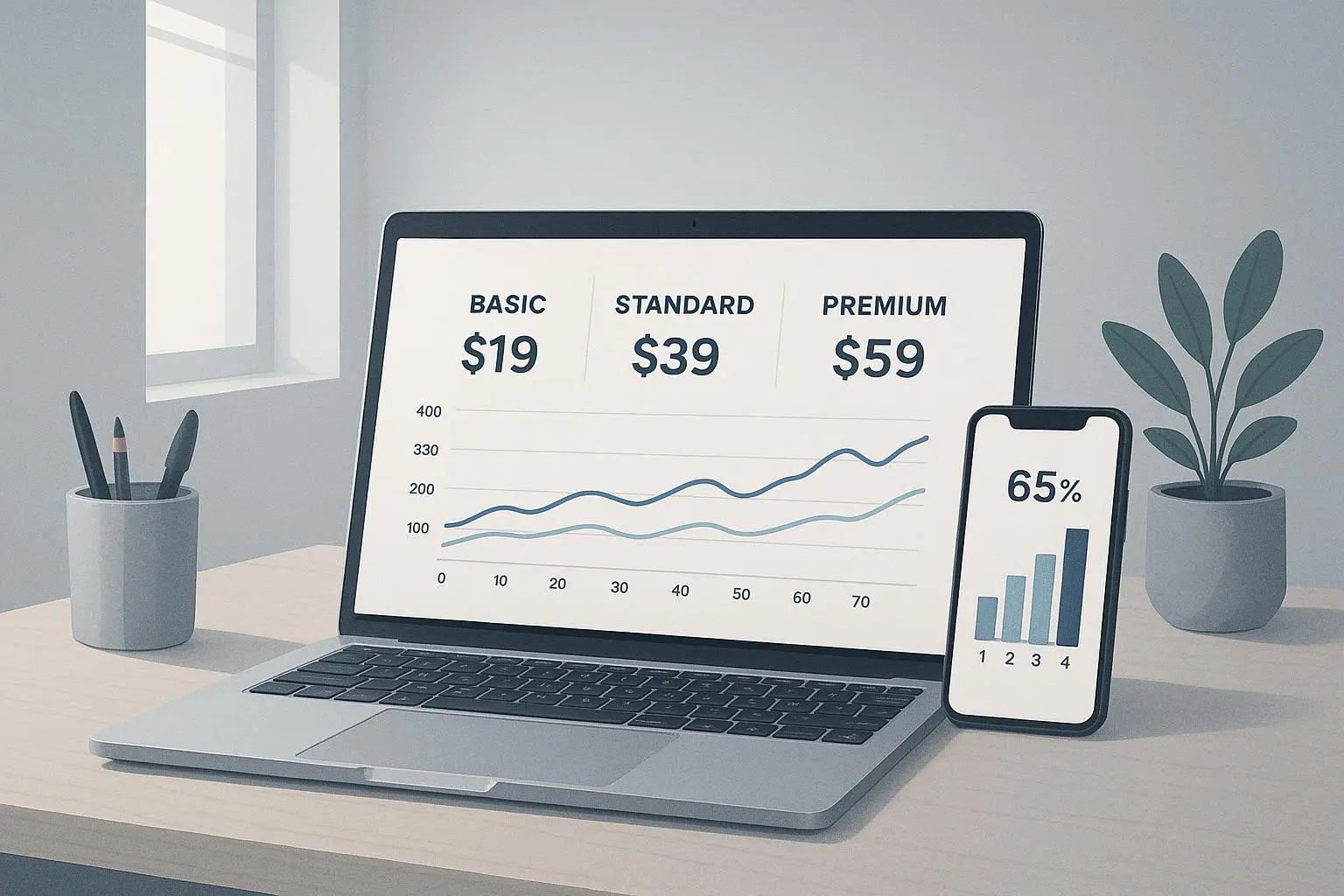
- Start with a tiered package system. Don’t offer one price; offer three. The middle option becomes the anchor that most clients pick. The high-end option signals premium value; the low-end option reduces friction for price-sensitive clients. The calculator helps you simulate how many projects you’ll sell at each tier, so you can optimize for revenue, not just utilization.
- Anchor first, then present the core offer. The mental math a client does after seeing a higher-priced option is different from the math they do after you present only one price. The calculator makes it easy to test different anchor points and see how it shifts the perceived value of your target price.
- Purposeful discounts, not automatic ones. Discounts can erode perceived value if applied haphazardly. Use them as strategic incentives—upfront payments, retainers, or bundled deliverables for a defined period. The calculator models net revenue after discounts, so you can decide if the incentive actually helps your bottom line.
- Proposals as value narratives, not price lists. Use the calculator to ground your narrative in numbers—outcomes, timelines, and milestones that map to the client’s goals. It gives you the courage to stand by your price because you can point to concrete, testable impact.
- Practice negotiation with live scenarios. Counter-offers aren’t random guesses; they’re data points. If a client asks for 15% off, you can instantly see the effect on margin and offer a scope adjustment instead. The calculator turns a tense moment into a calm, numbers-driven decision.
I’ve included a few real-world anecdotes throughout, but here’s a quick one from a recent project to show you how it translates:
I had a mid-sized client who needed a website and ongoing content support. I’d been billing hourly, but the hours were creeping up and conversations started circling around “effort vs. value.” I built three tiers in the calculator: a Basic site, a Standard site with ongoing content support, and a Premium site with long-term optimization and analytics. The anchor was Premium at $9,500, with Standard at $6,800 and Basic at $3,900. The client initially pushed back hard on the Premium price, but the calculator showed that if we moved 40% of the pipeline into Standard and 20% into Premium, the total revenue would rise 22% with a healthier upfront payment mix. I led with the anchor, framed the Core Outcome for the client, and offered a six-month retainer option in the Standard tier. In the end, we closed at Standard plus a six-month retainer for a total of $9,000—nearly the anchor value, but with carefully negotiated scope that aligned with real outcomes. It felt like a win for both of us, and the client walked away with a clear sense of what they were getting and why it mattered.
If you want to shortcut the stress, you can adopt the same playbook. The calculator is not a magic wand; it’s a mirror. It shows you how your pricing choices shape outcomes and, crucially, how your client perceives value.
The tangibles behind the numbers
- Tiered packages aren’t a gimmick. They’re a narrative about outcomes. People want to know what they’ll get, not just what they’ll pay. If you describe the outcome in concrete terms—delivery times, measurable improvements, milestones—pricing feels less abstract and more like a roadmap.
- Anchoring isn’t manipulation; it’s clarity. When clients see a high-value option first, they evaluate the middle option in the right context. It’s common for the middle option to become the default choice because it sits between “enough” and “too much.”
- Discounting, when used well, is a trust signal. It says you’re confident enough to offer a limited-time advantage and that you value long-term relationships. A six-month retainer with a modest discount is often more profitable than hourly work at higher rates with churn.
And yes, this all translates into real outcomes. In a recent quarter, applying these strategies with the calculator helped me increase average project revenue by 28% and reduce proposal-to-signature time by about a week on average. Not a miracle, just a smarter calendar and a more precise conversation.
How to build your three packs without turning it into a headache
I’m not going to pretend this is a perfect science. It’s iterative. It’s honest. It’s something you grow into as you understand the value you truly deliver.
- Define your Core Deliverables. List the outcomes your client cares about most. If you can measure those outcomes, you can price for them.
- Create the three tiers deliberately.
- Basic: Core outcome, quick turnaround, essential support.
- Standard: Core outcome + additional deliverables, longer engagement window, ongoing optimization.
- Premium: All the above plus strategic extras—analytics, quarterly business reviews, dedicated support, etc.
- Use the calculator to test percentages. How many projects land in each tier? What happens if the mix shifts 10%? The beauty is you can experiment on your phone while you wait for a coffee to cool.
- Build a narrative around each tier. Don’t just list features; tie them to business outcomes. A client isn’t buying a feature; they’re buying a capability that reduces risk and increases growth.
Here’s a practical template I’ve used successfully when drafting proposals:
- Start with a one-liner that reframes the project as a business outcome.
- Present the anchor (Premium) first with a short rationale for its value.
- Then offer the Standard option with a clear comparison to Premium and a note on savings if they select the retainer.
- Show Basic as the entry point with a concrete scenario where it makes sense for the client’s immediate needs.
- Add a short paragraph about upgrade options if scope evolves.
If a client asks for price flexibility, you can respond in one of two ways: “I can adjust scope to align with a lower price” or “Let me show you the impact of a longer-term commitment.” The calculator helps you quantify both paths in real time.
A quick aside about a detail that stuck with me
Early in my pricing journey, I realized I’d been giving discounts without tracking how they affected the relationship. I started noting in the calculator when a discount leads to a longer engagement or repeat business. It’s a tiny habit, but over months it shifts your baseline: you’re no longer chasing the discount; you’re shaping the relationship toward mutual value.
Real conversations, real outcomes
People think negotiation is a matter of being stubborn or clever. It isn’t. It’s about preparation, clarity, and a willingness to walk away when you’ve truly explored value.
- A client asked for a 20% discount after I presented a three-tier package. I used the calculator to show that if they committed to a six-month retainer, their total spend dropped only 12% but they'd gain three additional optimization sprints. They agreed to the retainer and kept the discount to a single milestone payment. The outcome felt fair and sustainable for both sides.
- Another client wanted a lower price but a faster timeline. I used the calculator to demonstrate how compressing the timeline would require additional resource hours and a small premium. We adjusted the schedule, kept the price, and added a focused sprint to ensure we hit the most critical milestone first. They signed without further negotiation.
The key is to position your numbers as a story, not a dare. The calculator gives you the plot beats—a beginning, middle, and end—that your client can follow.
Common pitfalls—and how to dodge them
- Don’t push a single price as fate. People want to feel they’re choosing a value, not being sold on price alone. Tiered options help with this.
- Don’t pretend discounts are free. Show the math behind the discount and what it costs in future value (or in scope risk) if you’re not careful.
- Don’t dodge the hard questions. If a client pushes back on value, return to outcomes, timelines, and the measurable impact. If needed, bring the calculator into the call to show the scenario live.
- Don’t forget what your time is worth. If you’re not planning for inflation and growth, you’ll just be padding hours forever. The calculator helps you forecast real earnings, not just hourly wages.
Proposals, scripts, and the art of saying no
A good proposal is a contract with clarity about outcomes, milestones, and value. The right script helps you push back with grace when a client asks for price bleeding.
- Lead with context: “Here’s what we’re trying to achieve for your business in 90 days.”
- Show the tiers as a journey: “We’ll start with the core outcomes in the Standard package, with the Premium option as the growth path.”
- Use numbers you’ve tested in the calculator: “Based on similar projects, the Standard package delivers X% higher engagement, with a 6-week ramp-up.”
- Offer a scoped alternative instead of a price cut: “If price is fixed, we could reduce the scope to protect quality; otherwise, we can shift milestones to preserve value.”
If you’re ever unsure, test your ideas in a low-stakes way with the calculator. If the scenario doesn’t improve the bottom line or the client’s outcomes, you’re probably trying to push something that isn’t a fit.
The tailwind: why this actually works
- It’s predictable. You don’t rely on gut feelings in the moment. You have a model you can trust, and you can explain it clearly to clients.
- It’s scalable. The three-pack structure fits nearly every service, from design to writing to software consulting. The calculator makes it quick to adapt.
- It’s fair. You’re not inflating prices; you’re clarifying value. When clients see the outcomes they’re buying, price becomes the byproduct, not the goal.
- It reduces sales anxiety. When you can show a client the exact impact of a commitment, the conversation becomes about value, not pressure.
And yes, the metrics matter. In practice, using tiered pricing with anchor strategies, paired with strategic discounts and a price-testing calculator, consistently increased acceptance rates and improved client alignment with outcomes. The effect isn’t just financial; it’s relational. Clients feel seen, understood, and confident in partnering with you.
Your action plan for the next 7 days
- Day 1: Map your services into three tiers. Write one crisp outcome per tier.
- Day 2: Build your anchor. Decide which package sits at the top and what it demonstrates about value.
- Day 3: Identify two entry points for discounts (e.g., upfront payment, six-month retainers) and model their impact with the calculator.
- Day 4: Draft a proposal template that centers outcomes and includes a simple three-tier comparison.
- Day 5: Practice your scripts. Rehearse the anchor-first conversation and your “scope adjustment instead of price cut” response.
- Day 6: Run a live test. Present a tiered option to a prospective client and collect feedback.
- Day 7: Refine. Update your tiers, anchor values, and discount logic based on the real-world results you saw.
If you do nothing else, start using the calculator for your next two proposals. The data you collect will become your baseline for the next round of pricing changes.
The human takeaway
Pricing your work is a statement about your value and your confidence in delivering outcomes. This isn’t about being pretentious or inflating numbers; it’s about acknowledging the real impact you bring and giving clients a clear, testable path to that impact.
If you’re ready to raise your rates without the dread, you already have what you need to begin: a structured mindset, a three-pack framework, and a back-pocket calculator that shows you the future you’re building. The rest is just conversation—with clarity, honesty, and the calm certainty that you know your numbers.
And if you’re still unsure, remember this: you don’t have to convince everyone. You only need to find the clients who value your work enough to invest in the outcomes that matter to them. The right pricing model helps you find those people faster and keeps you working with fewer headaches and more consistency.