Nighttime Potty Mastery: A Realistic 7-Day Plan to Help Puppies Sleep Through the Night
Oct 25, 2026 • 9 min
If you’ve just brought a puppy home, you’ve probably felt it in your bones by 2 a.m.—exhausted, hopeful, and a little defeated. The house is quiet except for a tiny whine from the crate and the clock ticking like a metronome you never asked for. I’ve been there. The long nights are real, but they don’t have to be a permanent feature of puppy life.
Here’s what I learned after helping dozens of new puppy owners move from multiple wakeups to solid, full-night sleep. It’s a realistic, 7-day plan designed for 8–16 week old puppies. It hinges on preparation, precise timing, and knowing the difference between a genuine need and attention-seeking behavior.
A quick personal note before we dive in: during my first puppy journey, I assumed a strict schedule would translate to immediate calm. The first week was chaotic. But when I treated nighttime as a teachable moment rather than a test I failed, the nights started to smooth out. It wasn’t about willpower; it was about predictable rhythms and boring routines. And yes, there were tears, but there were also a lot of sleep-filled mornings.
Quick micro-moment: I’ll never forget the night I swapped a dramatic “goodnight!” for a whisper-quiet walk outside and a minimal reward. It felt like whispering a secret to a dog who was finally listening. The next morning, the crate didn’t feel like a trap anymore—it felt like a safe little den that kept him dry and calm.
Now, let’s talk through a plan you can actually follow.
Understanding the bladder timeline: what a puppy can hold
Before you start any plan, set expectations. A puppy’s bladder capacity isn’t a mystery—it scales with age and development. A conservative rule of thumb is one hour of hold time per month of age, plus one hour, with overnight stretches typically shorter because they’re not actively learning during sleep. For our 8–16 week olds, here’s the practical breakdown:
- 8 weeks: 3–4 hours max overnight
- 12 weeks: 4–5 hours
- 16 weeks (4 months) and up: many reach 6–8 hours, the overnight goal
This plan leans on extending the time between wakeups by controlling inputs and shaping the environment. It’s not about forcing a long hold from week one. It’s about making it possible week by week.
A tiny aside that stuck with me: the moment I realized the “hold” window could be extended by recalibrating water intake and last potty timing. It wasn’t about “no water forever”—it was about timing and predictability.
Pre-bed prep: the critical 3 hours
Nighttime success starts well before the crate door closes. The goal is to have the tank as empty as possible when the puppy is crated. Here are the three big levers to pull in the final hours before bed:
- Last meal timing (3 hours before bed)
- Food digestion takes time, and a late meal often means a wakeful puppy needing to go soon after sleep. Schedule the final meal roughly three hours before the last potty trip.
- Water restriction (1–2 hours before bed)
- Throughout the day, water is essential. But in the 60–90 minutes before the last potty trip, tighten the flow. This isn’t about dehydration; it’s about avoiding a thirsty wake-up during the night.
- The “empty tank” routine
- Do three potty trips in the 30 minutes before crating. The final one should be the most boring—no play, just business. This is about signaling “this is the end of the day.” It’s practical discipline, not cruelty.
Real talk: there’s a reason many owners trip over the last 30 minutes before bed—busyness, fatigue, and the temptation to skip steps. The data I’ve seen from owner communities shows that skipping this pre-bed routine is a leading cause of extra middle-of-the-night wakeups. Do not skip this.
A real-world reflection you might relate to: one reader (DogMom_Lexi) reported that when she stopped rewarding after the final potty and kept things boring, the 3 a.m. wake-ups dropped to zero by Day 4. The simplicity of “no party after the potty” stuck with me because it’s deceptively powerful.
The 7-day plan: week-by-week pacing
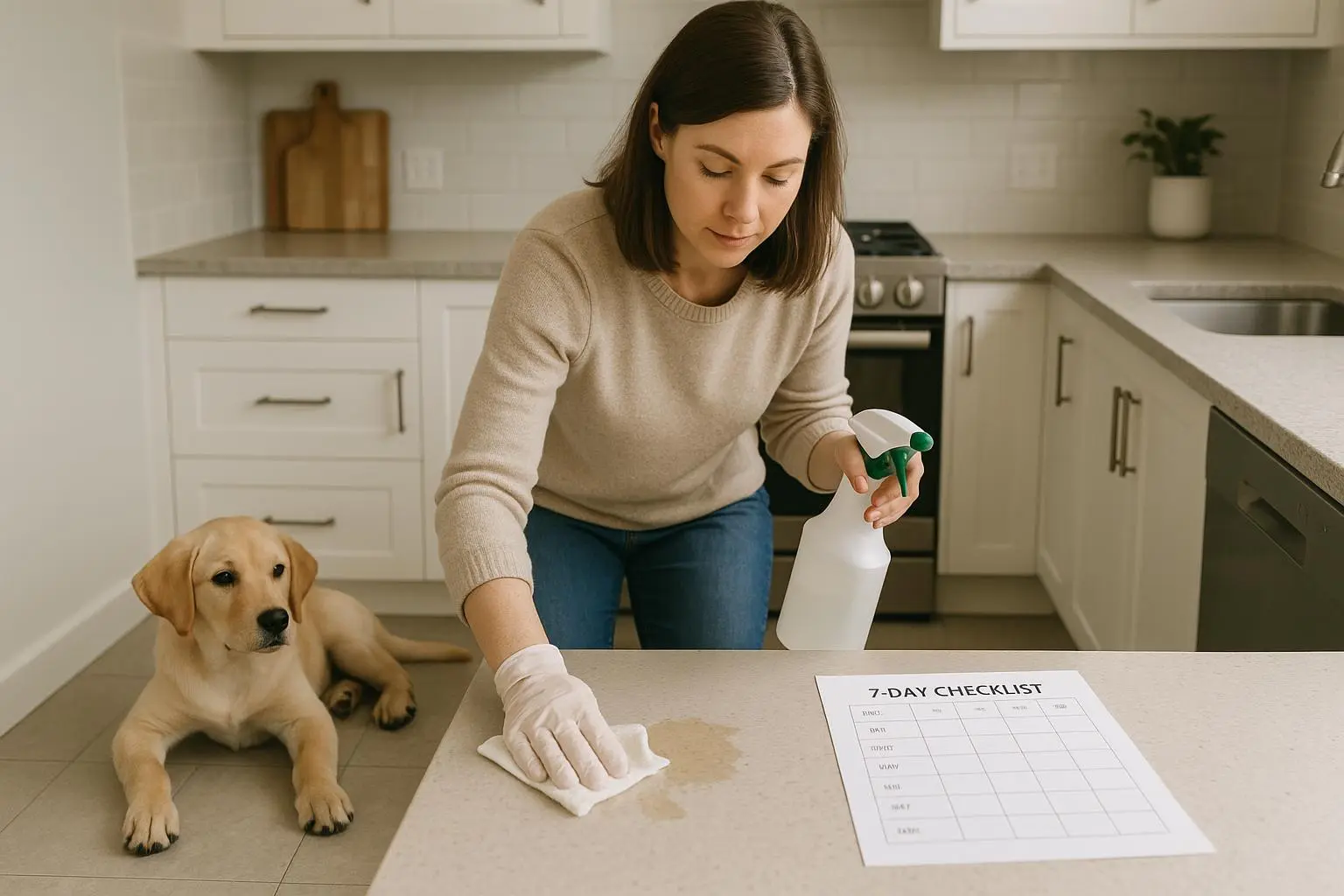
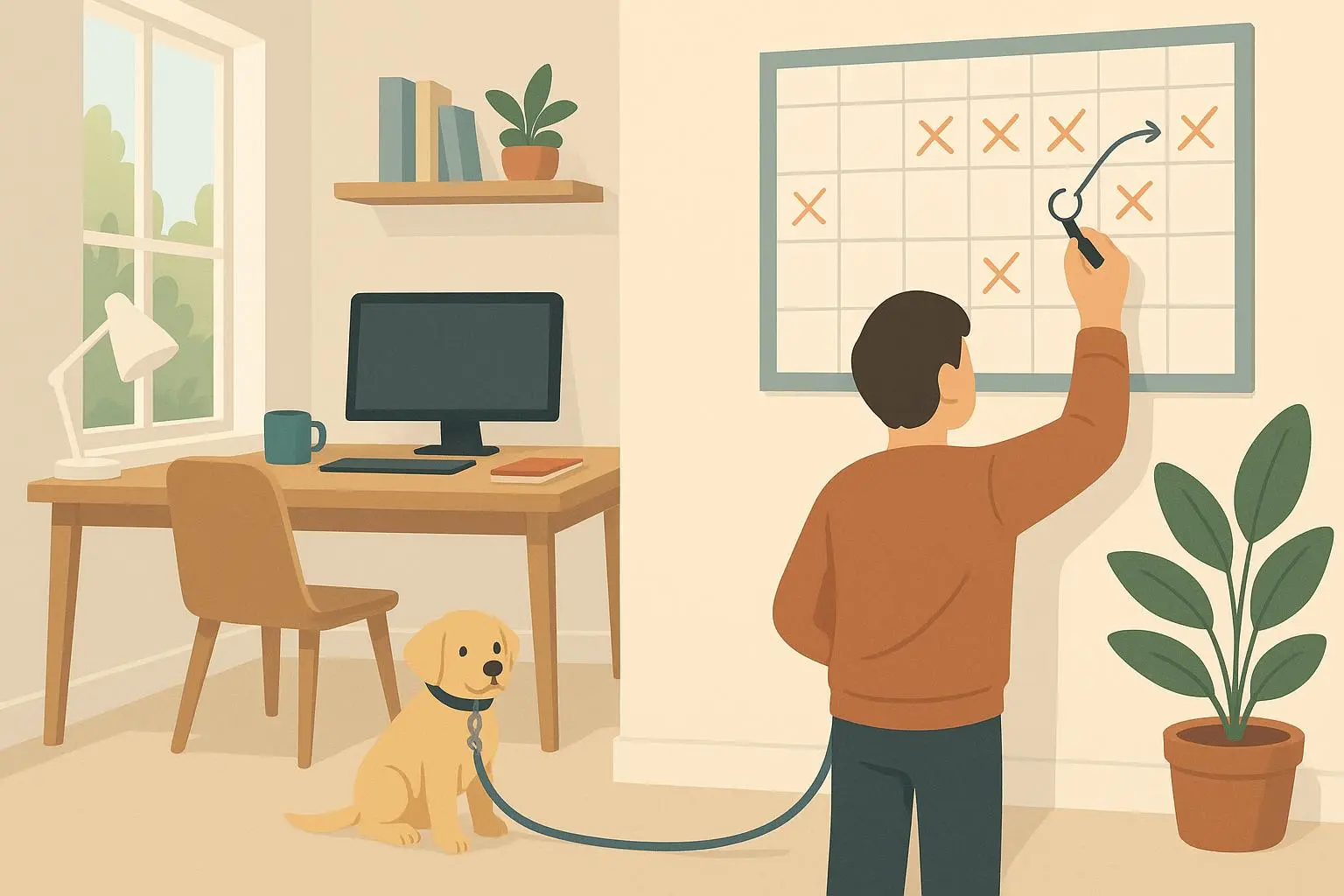
This is where the rubber meets the road. The plan is structured, but it’s not a rigid drill sergeant routine. It’s a framework you adjust to your puppy’s progress. I’ve included a printable Night Log Template you can print and tape to the fridge. Tracking wakeups, accidents, and last potty times makes the week tangible.
Day 1–2: Establish baseline and routine
- Pick a wake-up window (for example, 1 a.m. and 5 a.m.) and stick to it. If the puppy wakes earlier, take them out right away.
- Log the time and the output. The goal is to identify a baseline and to start nudging the schedule forward in small increments.
Day 3–4: Stretch the first wake-up
- Based on your log, push the first wake-up window by 15–30 minutes. If the puppy holds it, reward calmly. If there’s an accident, revert to the last successful time.
- The trick here is to move in small steps and celebrate the small wins without turning the night into a carnival.
Day 5–6: Eliminate one wake-up
- Target one middle-of-the-night trip, ideally 5–6 hours after crating. Fine-tune the pre-bed routine to be flawless.
- If necessary, adjust by one notch on the hold time. The aim is to reach a single wake-up rather than multiple.
Day 7: Aim for 7+ hours
- If Day 6 felt successful, try to push through the night. If the puppy whines, count to five in your head before you intervene. The goal is to distinguish genuine need from attention-seeking behavior.
A quiet reminder: this is a plan you’ll personalize. If your puppy is younger than eight weeks or showing signs of distress, slow down. If illness pops up, pause and check in with your vet.
The core mechanism is a simple rhythm: predictable wake windows, boring middle-of-the-night potty trips, and a reward that doesn’t excite but confirms the job is done.
A micro-moment again: I once watched a puppy settle back in after a quiet trip outside. The moment the door closed, the room went silent, and the puppy exhaled as if he’d finally exhaled too. That calm, after a tense night, was a turning point in the family’s sleep.
Handling the middle-of-the-night trip: keep it boring
When your puppy wakes you up, your reaction teaches them more than a lot of words ever will. The golden rule is simple: keep it boring.
Here are the steps I’ve used successfully with many puppies:
- No interaction. Do not talk, play, or cuddle. Quiet, neutral presence only.
- Use a leash for a calm outside cue, and head straight outside for a potty wander. The goal is a quick, matter-of-fact trip.
- Use a specific potty cue word like “Go Potty!” and wait it out. Don’t pull or tug to coax a response—be patient.
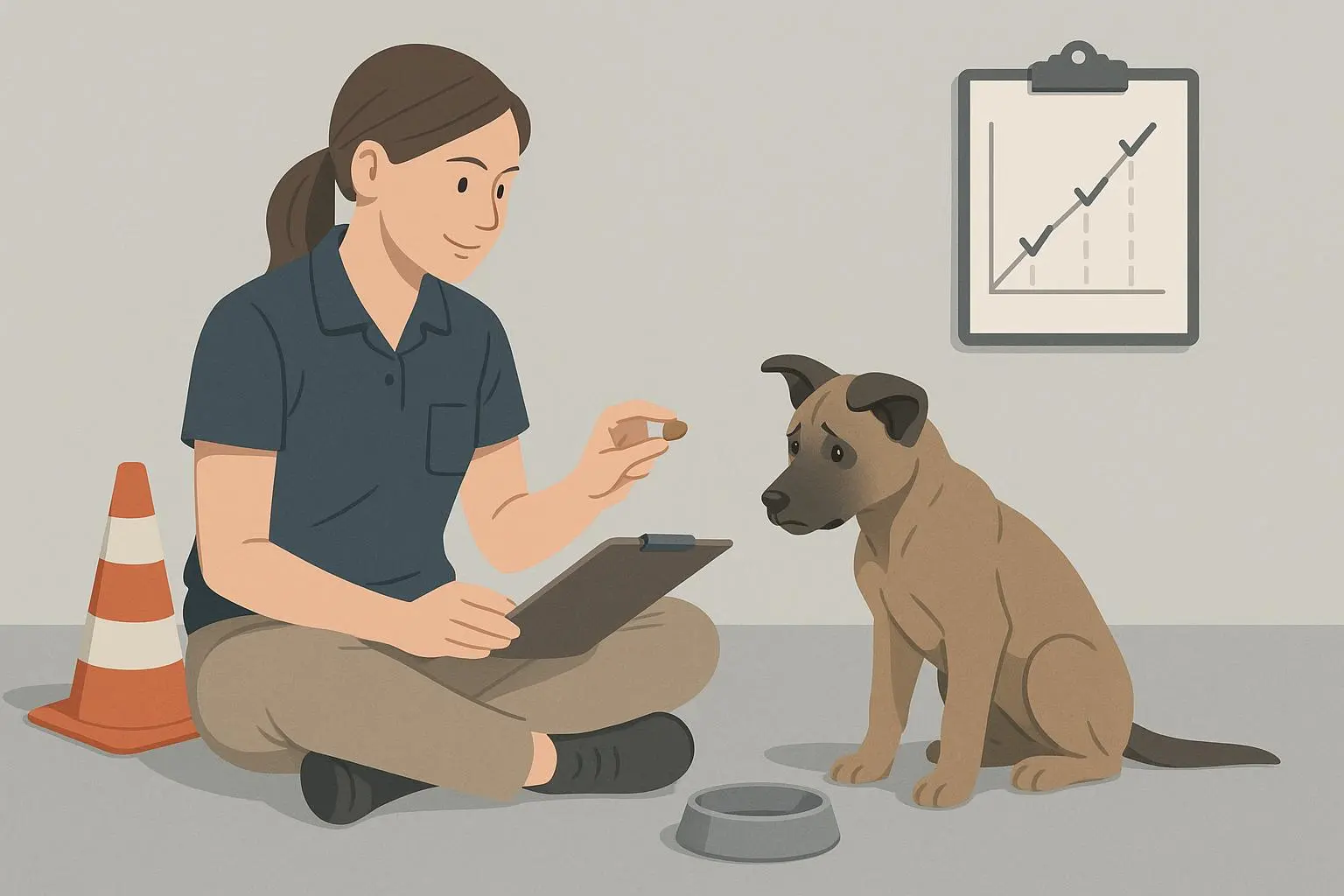
- After they finish, offer a tiny reward (a single treat, not praise) and return to the crate quietly.
This approach removes the drama. The payoff is measured in days, not hours. A Reddit thread from a well-known training community captured the truth: when the parent shifted from excited praise to robotic, boring trips, the dog stopped waking up unless there was a true need. It’s not cruel; it’s clarity.
If the puppy whines 30 minutes after a successful potty break, odds are high this is attention-seeking. Wait 5–10 minutes before intervening. If the whining becomes frantic or seems distress-related, step in calmly, but still keep the interaction minimal. There’s a lot of value in giving a dog a straightforward cue and letting them do the next thing.
A cautionary tale from a different corner: a partner who didn’t follow the same script ended up undoing progress. Consistency across caregivers is not a luxury here; it’s the backbone of any successful night routine.
Crate and environment: setting up for success
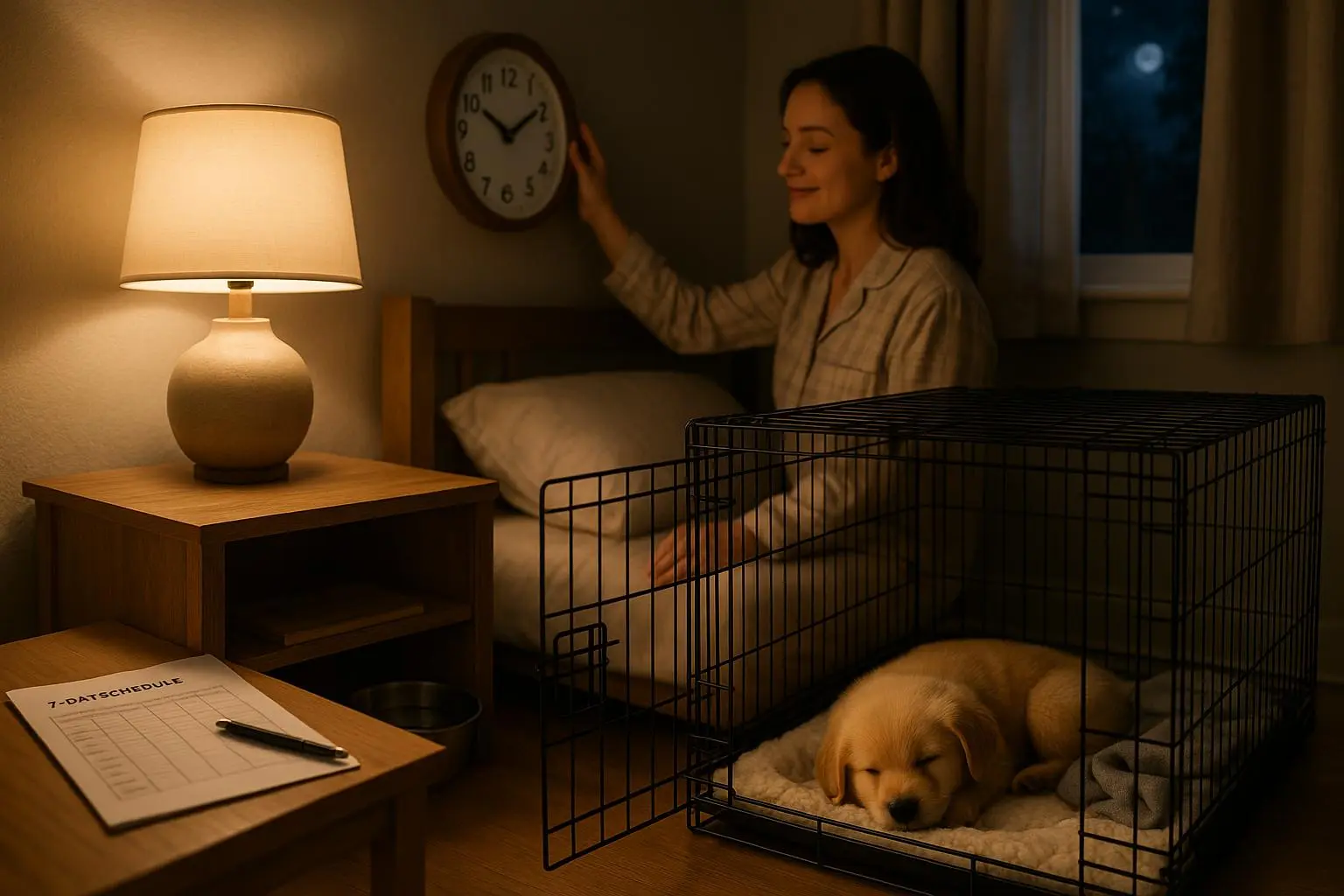
Crate training is a cornerstone of nighttime potty mastery. Dogs naturally avoid soiling their sleeping area, so the crate isn’t a punishment—it’s a safe, den-like place. Here are the practical tweaks I recommend:
- Crate size: It should be just large enough for the puppy to stand, turn, and lie down. If the crate is too big, they’ll create a separate potty zone. A divider can help as they grow.
- Crate placement: Put the crate in or near your bedroom. Proximity helps you hear subtle cues before a full-blown accident or loud whine. The idea is to be responsive, not anxious or overbearing.
- Bedding and crate essentials: Use a comfortable, washable bedding layer and a crate cover if your pup feels more secure in a cave-like space. A covered crate can reduce stimulation at night and promotes rest.
A small, real-world note: a crate divider was a game-changer for a friend’s 10-week-old. With an appropriately sized space, his accidents dropped dramatically, and the pup started to see the crate as a safe bedtime nook rather than a misstep-inducing cage.
Troubleshooting common setbacks
Even the best plans hit snags. It’s essential to distinguish between a genuine physical need and a behavioral hiccup. Here are the top issues I’ve seen and how I’ve addressed them:
- Whining vs. needing to go
- If your puppy whines after a successful potty, you’re probably dealing with attention-seeking. Wait and observe. If the whining escalates, consider a minimal intervention strategy and a quick potty trip only if there’s a proven need.
- Sudden accidents or illness
- If accidents crop up after several good nights, check for illness. UTIs and GI upset are common culprits. A quick vet check is warranted if there’s a change in behavior or frequency.
- Consistency with others
- If other family members or a pet sitter is involved, give them clear scripts and a copy of the Night Log. The routine must stay consistent, or you’ll reset progress.
A cautionary note from a community thread: when someone in the household deviates—like leaving water in the bowl at bedtime—the whole system can reset. Consistency is not cute; it’s essential.
Tools, templates, and support you can use
- Printable Night Log Template: helps you track wake times, accidents, last potty times, and responses. It’s a simple tool, but it makes the week tangible.
- Nighttime routines scripts for sitters and family members: give everyone a consistent script so your plan isn’t dependent on memory.
- A simple crate and bedding checklist to ensure you’ve covered safety, comfort, and security.
There’s a surprising amount of value in data here. A Reddit thread from a community member who tracked every 30-minute window for a week found that the pattern of wakeups became predictable and much easier to manage once they stopped guessing and started recording. The act of logging isn’t just administrative—it’s the key to aligning expectations with reality.
Real-world outcomes: case examples and what they show
- A family with an 8-week-old puppy stuck at two wakeups a night reduced to one wakeup by Day 3 and slept through most nights by Day 6–7 after tightening the pre-bed routine and using a calm, boring mid-night trip.
- A 12-week-old who had frequent accidents during the night saw improvements within 72 hours after ensuring the final pre-bed trip was consistent and the crate was placed near the bed.
These outcomes aren’t magical. They’re the result of predictable routines, clear signals, and a little patience. The work you put in during Week 1 pays off later when the puppy’s body adapts to the schedule.
If you’re curious about the science behind this approach, it aligns with canine behavior literature on crate training, house-training development, and environmental enrichment. The overarching theme across studies is that structure, predictability, and low-stimulation handling support better nighttime control.
A quick, practical wrap-up: what to do tonight
- Pick your baseline wake-up time and stick to it for the next two nights.
- Schedule last meal three hours before bed; remove water 60–90 minutes before bed.
- Do the three “empty tank” potty trips in the 30 minutes preceding crate time.
- Place the crate near your bed, sized appropriately, with a comfortable bed and a light blanket.
- Prepare a short, boring nighttime routine for potty trips (cue word, minimal interaction, tiny reward).
- Start a simple log to track wakeups, potty outputs, and accidents.
- If the puppy whines, count to five before intervening. If necessary, intervene with a quick potty outside, but keep the interaction minimal.
- If illness or distress pops up, pause and consult your vet.
I’ll leave you with a line I say a lot when I’m coaching new puppy owners: sleep is not a luxury you earn later; it’s a skill you train now. Nighttime potty mastery is a training plan, not a magic trick. And like any good training plan, it works best when you commit, stay consistent, and keep the tone calm and boring.
If you want a quick, printable night log and a ready-to-use script for sitters, I’ve included templates in the resources. Use them. They’re not just convenience—they’re the bridge between confusion and calm.