Crate-Free Night Accidents: Fast Triage & a 7-Day Recovery Checklist
Nov 8, 2026 • 9 min
If you’re chasing a crate-free life with a pee-proof puppy, night-time accidents are going to happen. It’s not a moral failing on your pup, and it’s hardly a reason to panic. It’s a signal to respond calmly, triage the situation, and reset the routine without reinforcing bad habits. Here’s a humane, practical approach I’ve used with clients and friends who were stubbornly determined to avoid crates but still wanted reliable night-time bladder control.
And yes, I’ve lived this. I’ve watched a six-month-old pup go from nightly soakings to sleeping through the night—without a crate—thanks to a plan that stuck. I’ll tell you the real story below, plus a week-by-week recovery checklist you can actually use.
A quick aside I learned early on: when you’re exhausted, it’s tempting to treat the night like a battlefield. The small details matter—like cleaning with an enzymatic cleaner right away and giving your pup a calm, confident handoff back to bed. That tiny shift can reverse a dozen bad nights.
The moment that stuck with me was the first week I stopped scolding after an accident and started treating the scene like a science experiment: what happened, what did we adjust, what time did it occur, and what did the pup do next? The results weren’t dramatic at first, but by day seven, the logs finally showed a pattern of fewer accidents and longer holds. It wasn’t magic; it was consistency with a willingness to tweak.
Because your dog is still learning, you need to guide them with predictable, positive cues. Here’s how I approach crate-free nights, with practical steps, real-world examples, and a seven-day plan that’s proven itself in real homes.
Note: throughout, you’ll see quick, actionable steps, short paragraphs, and concrete outcomes. No fluff. Just a path from chaos to consistency.
Immediate triage: the morning after
When you wake to a mess, your first move sets the tone for the whole day.
Calm cleanup, no scolding
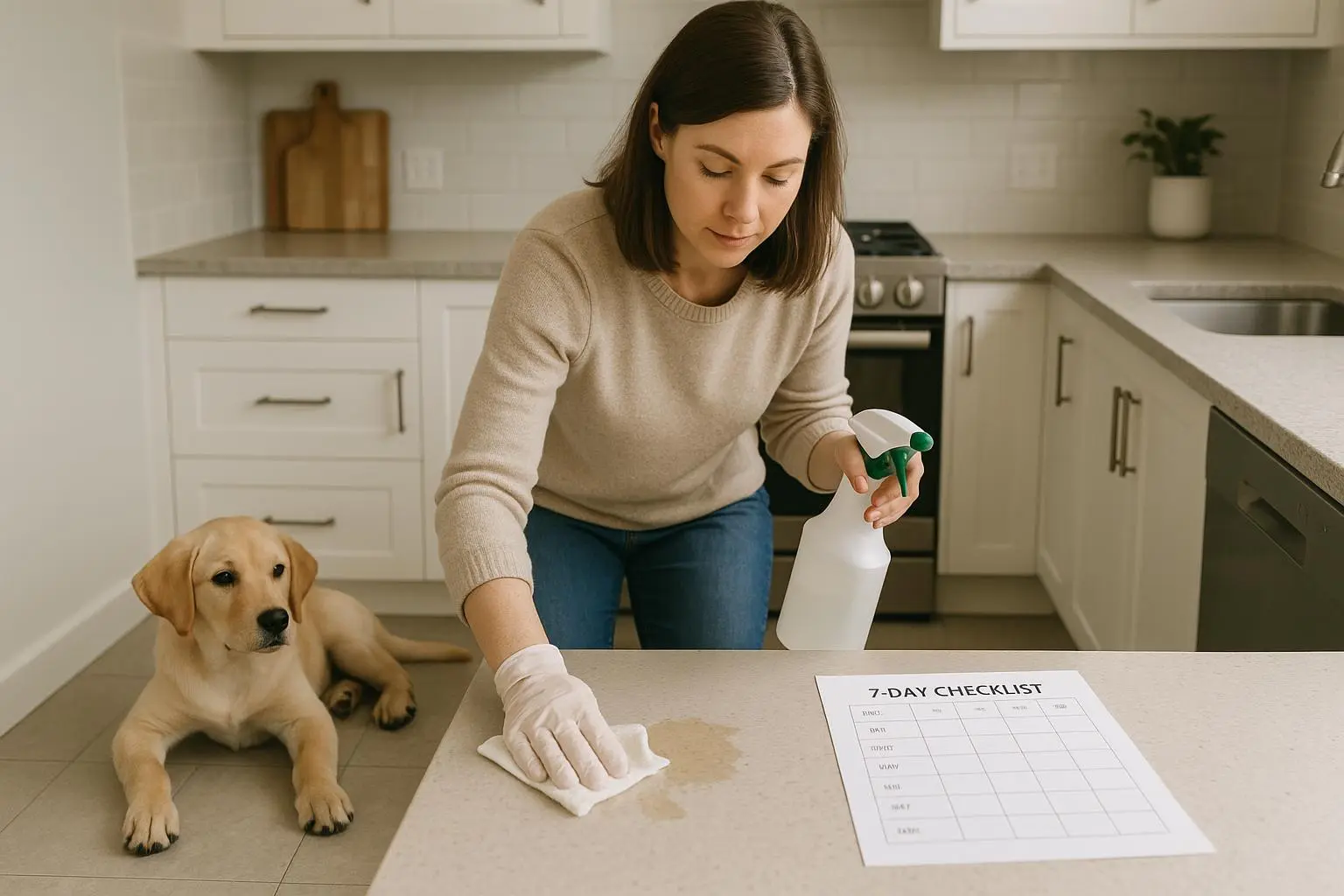
- Walk in with a soft voice and a steady hand. Your pup isn’t intentionally misbehaving; they’re learning.
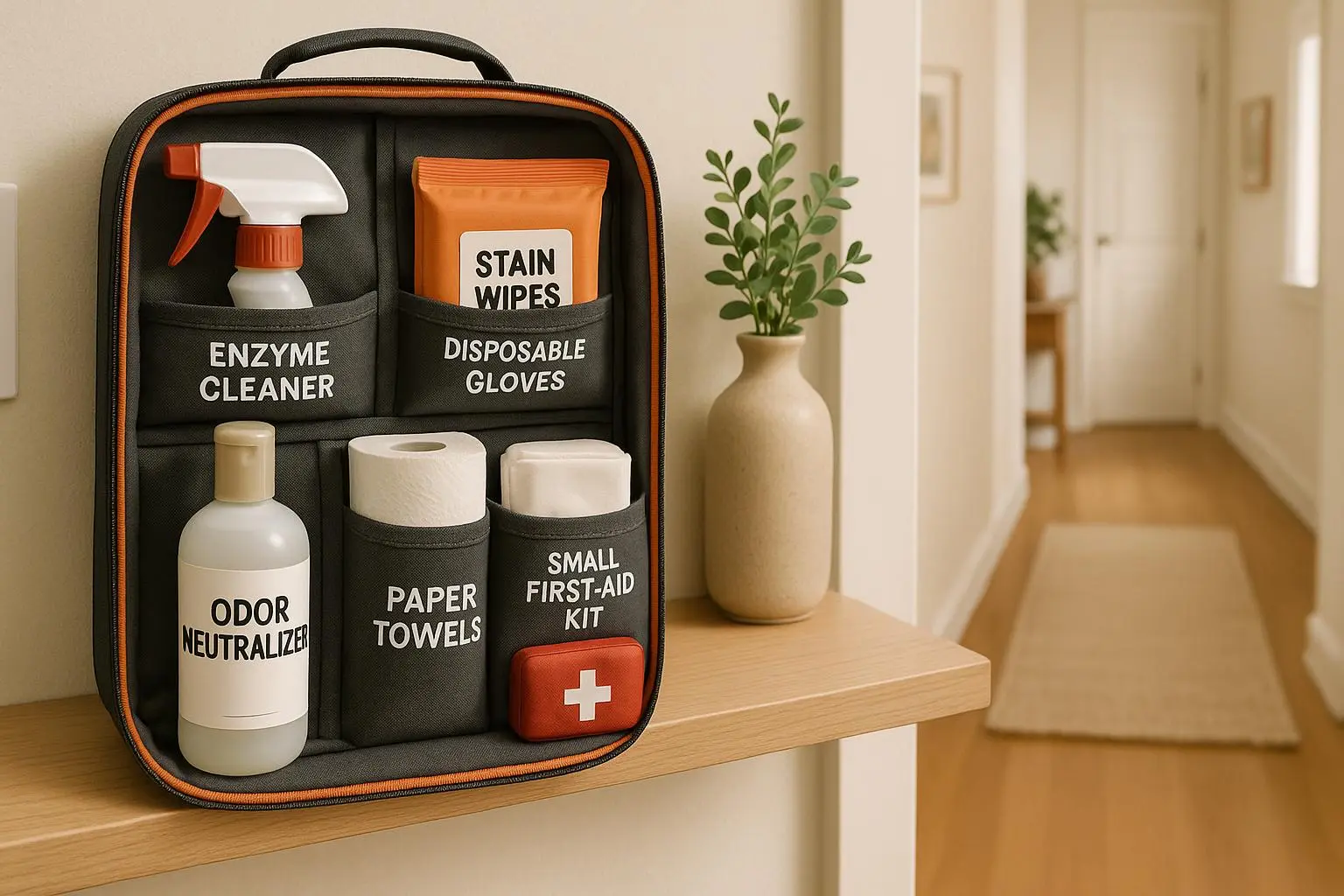
- Use an enzymatic cleaner to remove urine proteins and odors completely. Residual smells pull your dog back to the same spot, night after night. This isn’t optional if you’re crate-free and aiming for long-term success [1].
Health read
- While you wipe the floor, do a quick scan: is the urine clear or cloudy? Any blood? Stool normal? Diarrhea? Straining? These clues help you decide if a vet should be involved sooner rather than later [2].
Record-keeping (for real)
- Note the time, what the pup ate and drank, and when you last took them out. If you can, jot down the weather and whether there was extra play before bed. It’s dull to record data, but this is what teaches you where the gaps live.
Scale-back or safeguard the sleeping area
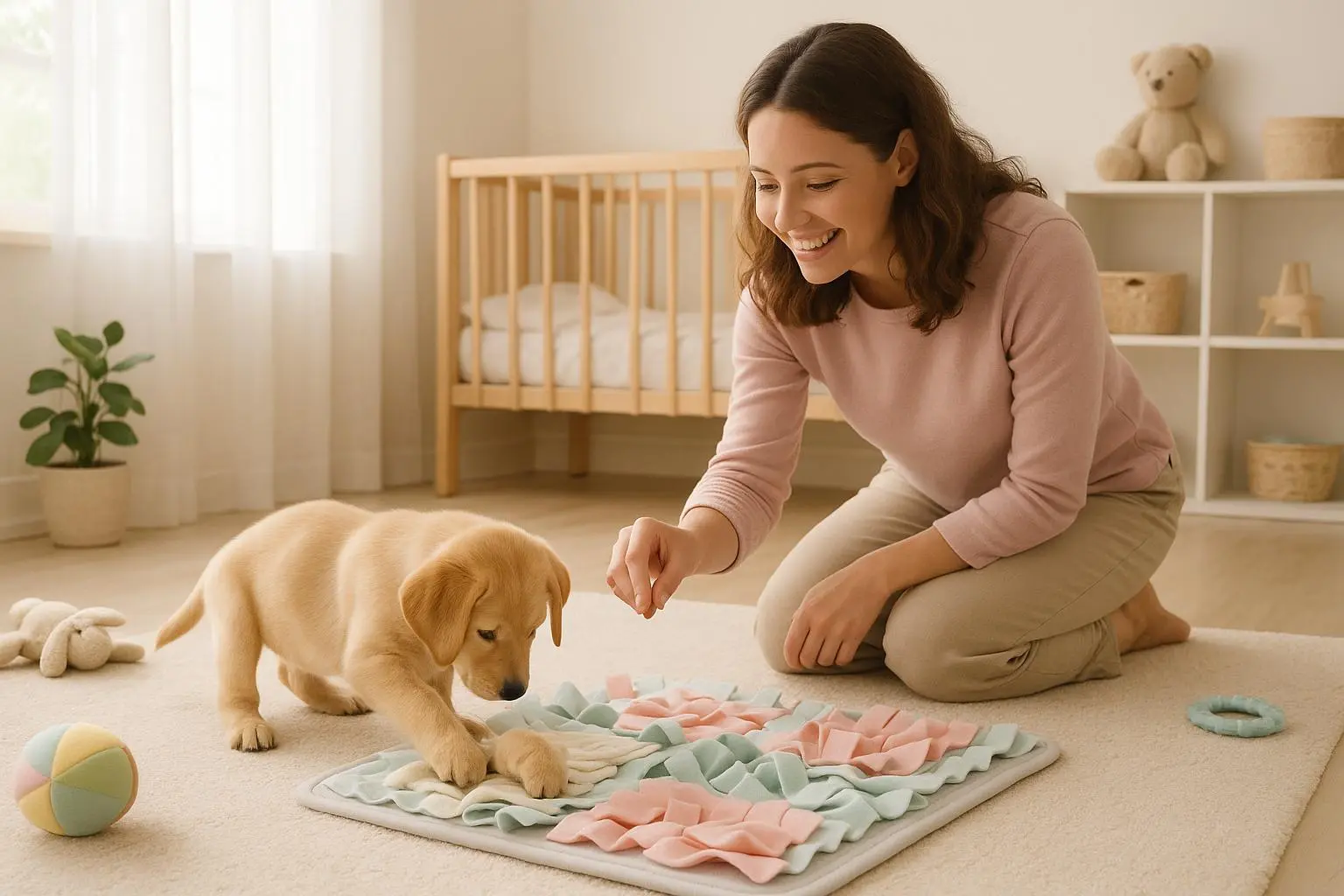
- If you’re not using a crate, consider a small, puppy-proof space for the night (bathroom with tile, playpen, or baby-gate area). It’s not a punishment; it’s a way to limit opportunities for accidents and simplify cleanup. A tiny, safe space also helps you manage the morning chaos without trampling your pup’s confidence.
The micro-moment that sticks with me
- That first half-dream of a morning after: I noticed the scent would linger even after a quick wipe. I started using a second enzymatic spray specifically on the tiny corner near the bed. The second scent removal cleared the spot for good after a week. If you skip that extra spray, you’ll be chasing repeat accidents.
Tailored red flags for a fast vet call
- If you observe frequent urination or straining, persistent thirst, blood in the urine, lethargy, loss of appetite, sudden accidents after a period of good house-training, or persistent diarrhea/vomiting, call your vet. These aren’t “normal puppy things” when they pop up suddenly [3].
What to say to your emergency vet (templated)
- A short, clear message helps triage fast: “Hello, my puppy [Name], [Breed], [Age], has nighttime accidents characterized by [symptoms]. They’re also [other signs]. We’re concerned about a potential [UTI, kidney issue]. Do you have earliest availability for an examination?”
If you’re in doubt, it’s better to call and be told “come in” than to guess and wait.
The 7-day recovery checklist: practical, gentle, effective
Consistency wins. This plan is designed to be simple enough to follow even on crazy weeks, yet rigorous enough to shift the needle.
Days 1–2: establish the spine of the routine
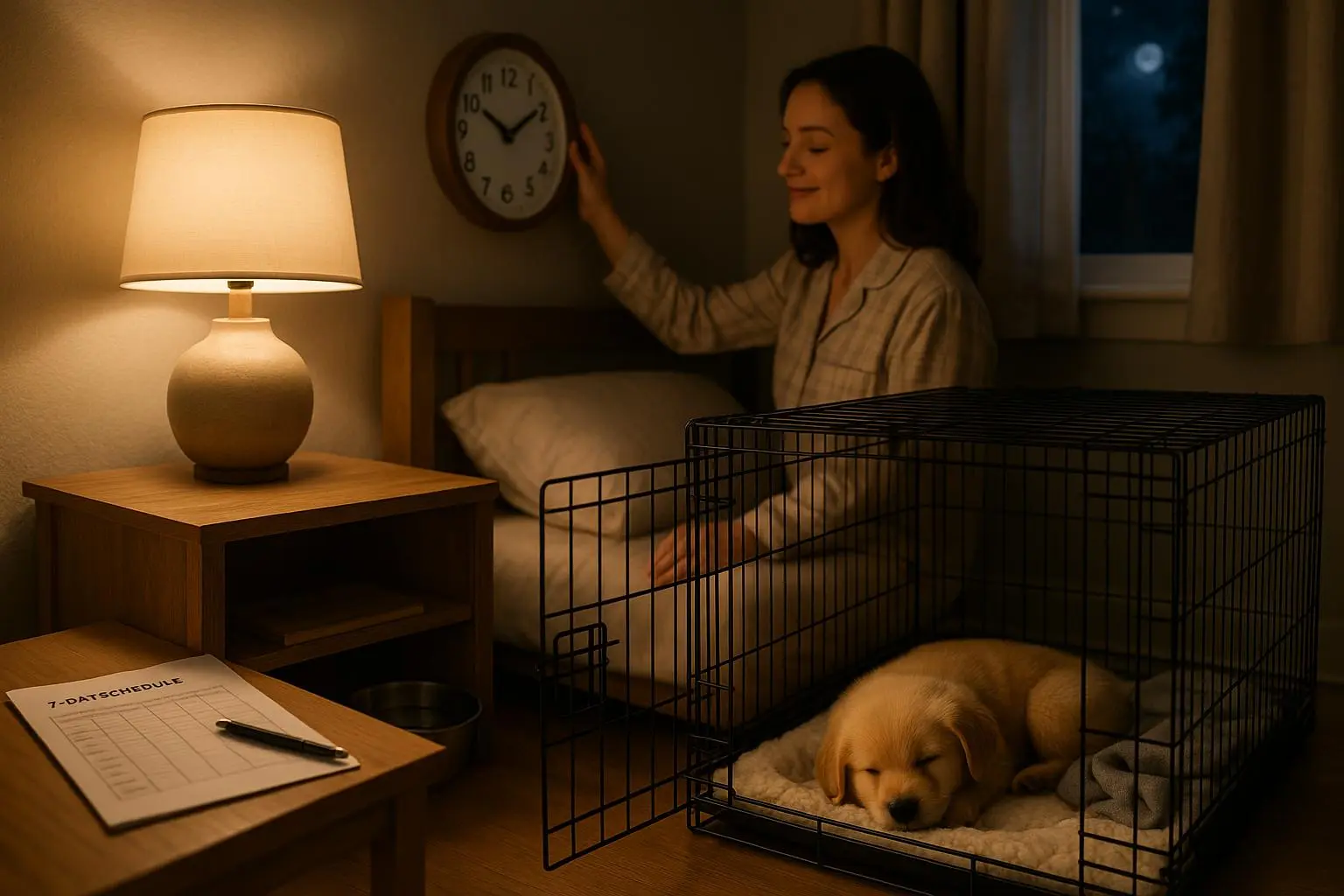
- Tighten the schedule: the last potty break should be as close to bedtime as possible. If your pup routinely holds until 3 a.m., consider a final late-night opportunity even if you’re tired.
- Water timing: stop water access 2–3 hours before bed. Not starving your dog; just staging a slower floor plan for the bladder during sleep.
- Dinner timing: move the last meal earlier by a couple of hours to give digestion a smoother schedule before bed.
- Daytime potty siege: take your puppy out every 1–2 hours, then immediately after waking up, after play, and after meals. Reward heavily for outdoor potties.
- Nighttime setup: place your sleeping zone in a small, easy-to-clean space. The goal is to minimize the mess you have to clean and to reduce the chance of a puppy returning to the same spot.
Real-world note I’ve seen: a family reported that their dog began peeing near 3 a.m. after a long week. They started their late potty routine at 9 p.m. and again at 11:30 p.m., with a calm reset in between. It took a couple of days, but the late night holds stretched longer, and the morning accidents dwindled.
Days 3–4: reinforce and reward
- Keep the rigid schedule. The only thing that should change is your confidence. If your pup makes it outside, praise with real enthusiasm and a handful of treats.
- When accidents happen, respond with calm cleanup. The celebration isn’t for the accident; it’s for the successful outdoor potty. Avoid punishment at all costs.
- Logging continues: write down each potty, each meal, each water intake. The logs become a map of what’s working and what isn’t.
A quick anecdote: one family used a simple checklist each morning: last meal time, last water time, last potty, and a quick note on sleep. The log helped them notice that their pup’s best outdoor potty window was just after a quick play session in the yard, not after a big meal. They shifted playtime to earlier in the evening and saw a marked drop in late-night accidents.
Days 5–6: gradual relaxation (careful)
- If it’s clear the accidents have stopped in the late window, you can ease water-restriction a touch (for example, from 2:00 hours to 1.5 hours before bed). Maintain the last potty window.
- Continue heavy reinforcement for outdoor potties. If you see a slip, revert to the stricter one- or two-day plan to re-stabilize.
Important caution: if you see a single day with multiple accidents, don’t panic. Re-tighten the schedule for a day or two and continue logging. Regression isn’t the end; it’s a signal to reinforce.
Day 7: assessment, plan, and long-term maintenance
- Review your log. Have accidents stopped? Does your puppy hold longer before bed?
- Decide whether you’ll keep the late potty window as a long-term routine or maintain a flexible approach once bladder control is stronger.
- Celebrate the wins. The first week is tough—praise, a favorite toy, or a short extra play session will help cement the new routine.
A note from a real user: “It felt like forever, but by day 7, my little guy was sleeping through the night without accidents. The trick was being super consistent with the last potty break, even when I was exhausted.” Consistency isn’t glamorous, but it works.
Communicating with the people who help your puppy
Sitters and family members can make or break crate-free progress. The moment you introduce new rules, you’re asking them to be a team player with a consistent message.
Templated message for sitters/family
- Hi [Name],
We’re working on preventing nighttime accidents, so please stick to this schedule:
- Last Meal: no later than [Time]
- Water restriction: no water after [Time]
- Last potty break: around [Time]
- Daytime potty: every [X] hours, and after waking/eating/playing If an accident happens, please clean calmly with the enzymatic cleaner (location: [place]), and avoid scolding. Let me know if you see unusual symptoms. Thanks for helping us stay consistent!
Sharing the why helps. People tend to underestimate how powerful consistency is, especially when they’re tired. A shared mental model makes the routine feel less punitive and more like a team project.
Medical red flags and when to call the vet
Most crate-free night accidents are behavioral, but there are red flags you shouldn’t overlook.
- Frequent urination or straining
- Excessive thirst
- Blood in urine
- Lethargy or loss of appetite
- Sudden regression after a period of success
- Persistent diarrhea or vomiting
If any of these appear, seek veterinary advice promptly. Your vet may want to run a basic urinalysis, check for a urinary tract infection, or look for other issues that could be interfering with normal bladder control.
The templated message above is a solid starting point, but you’ll want to tailor it to your pup’s specifics and your vet’s preferred intake format.
And here’s a small reality check: I’ve seen a couple of cases where a puppy’s sudden accidents turned out to be a UTI or bladder issue that started subtle. If you’re unsure, a quick vet consult—even a tele-visit—can save you days of confusion and fear.
The 7-day plan in practice: two quick case notes
Case A: No crate, a small bathroom as night zone
- They split a bathroom with a baby gate and a soft bed, with a quick last potty outside at 10:30 p.m. They logged water intake and meals. After day 3, they saw fewer late-night potties and a more consistent night’s sleep. By day 7, the dog slept through most nights.
Case B: Full crate-free life with dedicated playroom
- They built a playroom with a washable floor and a crate-like nook for sleeping. The last potty was at 10:45 p.m., and water was cut off at 7:00 p.m. The potty log revealed a pattern: late-night accidents were most common after a long play session. Tweaking the play schedule eliminated the trailing accidents by day 6.
If you’re struggling, remember: your goal isn’t to punish your puppy; it’s to teach a reliable routine that improves their bladder control without fear.
Tools, apps, and practical gear that help
There’s a whole ecosystem that can support crate-free, night-time potty training.
- Potty training log apps: A couple of reliable options track potty breaks, meals, and water intake to spot patterns. They can turn a week of chaos into a data-driven plan.
- Enzymatic cleaners: A must-have. Regular cleaners leave behind scents that invite repeat accidents. Enzymatic cleaners break down urine proteins so the scent doesn’t lure your pup back.
- Training apps for house-training: Step-by-step guides and positive reinforcement techniques can be especially helpful when you’re juggling schedules and nerves.
- Sitters and pet care marketplaces: A reliable sitter who can follow your late-night schedule is a game changer when you’re juggling work and sleep.
If you don’t want to rely on guesswork, a simple routine plus some careful data collection beats a heroic but inconsistent effort any day of the week.
A quick note on long-term strategy
Night-time bladder control in crate-free homes isn’t about a single fix; it’s a system of small decisions that add up over days and weeks.
- Consistency above all: The human habit is what your puppy learns to trust. A predictable evening routine, even when you’re exhausted, matters more than the intensity of any one training session.
- Tailored adjustments: Some pups hold well after a late potty, others don’t. Use your logs to tailor the last potty timing and water cutoff to your dog’s unique rhythm.
- Health first: If you ever see sudden changes in toileting habits, don’t wait. Health issues can masquerade as behavioral problems.
What I’ve learned over years of helping families: the fastest path to crate-free success is a plan that feels humane, doable, and calm. When you remove fear from the equation and replace it with reliable signals and a repeatable cadence, your puppy starts to cooperate with the rhythm you’re trying to teach.
Where to go from here (and what to avoid)
- Don’t skip the enzymatic cleaner. A clean scent-free spot is the best predictor of future success.
- Don’t punish after an accident. It teaches fear and can backfire by increasing anxiety and making nighttime potty training even harder.
- Don’t insist on a single “perfect night.” Puppies grow, their bladders mature, and you will see progressive wins if you stay the course.
- Do celebrate the days with fewer accidents. It reinforces the right behavior and makes the hard days feel worth it.
If you feel overwhelmed, bring in help: a trusted sitter who understands your schedule, a training app to keep you honest, and a vet to rule out medical issues. The combination of a humane approach and practical tools usually wins.
References
Footnotes
-
ASPCA. (2024). House Training Your Puppy. Retrieved from https://www.aspca.org/pet-care/dog-care/house-training-your-puppy/ ↩
-
Horwitz, D. F., Landsberg, G., & Hunthausen, W. (2012). Behavior Problems of the Dog and Cat. Elsevier Health Sciences. Retrieved from https://www.elsevier.com/books/behavior-problems-of-the-dog-and-cat/horwitz/978-0-7020-3421-2 ↩
-
AKC. (2024). How to Potty Train a Puppy. Retrieved from https://www.akc.org/expert-advice/training/how-to-potty-train-a-puppy/ ↩