Fast Clean-Up Kit for Pet & Child Accidents: What to Pack and Where to Keep It
Jul 29, 2026 • 9 min
Accidents don’t wait for a tidy moment. They erupt in the middle of dinner, during a mini-birthday party, or right before a midnight dog walk. When you’re balancing kids, pets, and life, a dedicated clean-up kit isn’t a luxury—it’s a lifeline. Not flashy, but incredibly practical. The kind of thing you wish you had yesterday.
I learned this the hard way a few years back. We were hosting a neighborhood pizza night, kids running around, dogs in the yard. A red wine spill slid from a plastic cup onto a cream rug, while the dog left a sloppy paw print on the kitchen tile. I jumped from one mess to the next, chasing towels, cleaners, and a fear of ruining the rug everywhere at once. By the end of the night, I’d treated three minor scrapes, pulled a half-empty cleaner bottle from under the sink, and realized I could have avoided the chaos with a sensible kit already in place. That night I decided to assemble something simple, durable, and accessible—so cleanup wouldn’t steal another family moment.
Micro-moment: I learned a tiny but powerful detail the hard way—label clear containers with bright, large text. It’s amazing how much faster a sitter reacts when they can read “Pet & Child Clean-Up Kit” from across the room.
In this guide, I’m laying out a practical, prioritized packing list, safe cleaning products, odor control tips, and smart places to store the kit. It’s designed for sitters, grandparents, and busy households that juggle both kids and pets.
If you want results, start with intent and a good container. A sturdy, waterproof box or tote, clearly labeled, and two placements to cover your bases: one at home and one in the car or near the main exit. Yes, it’s a small investment, but it pays back in fewer panics and more peace of mind.
What to pack (and why it matters)
The goal isn’t to fill every corner of your house with cleaners. It’s to anticipate the two or three likely scenarios—spills, pet messes, and minor injuries—and equip yourself to handle them quickly and safely.
Here’s how I stack rank items, with practical notes from real use.
- For spills and general messes
- Absorbent materials: Plenty of paper towels, microfiber cloths, and a small sponge. In a pinch, a dish towel can buy time.
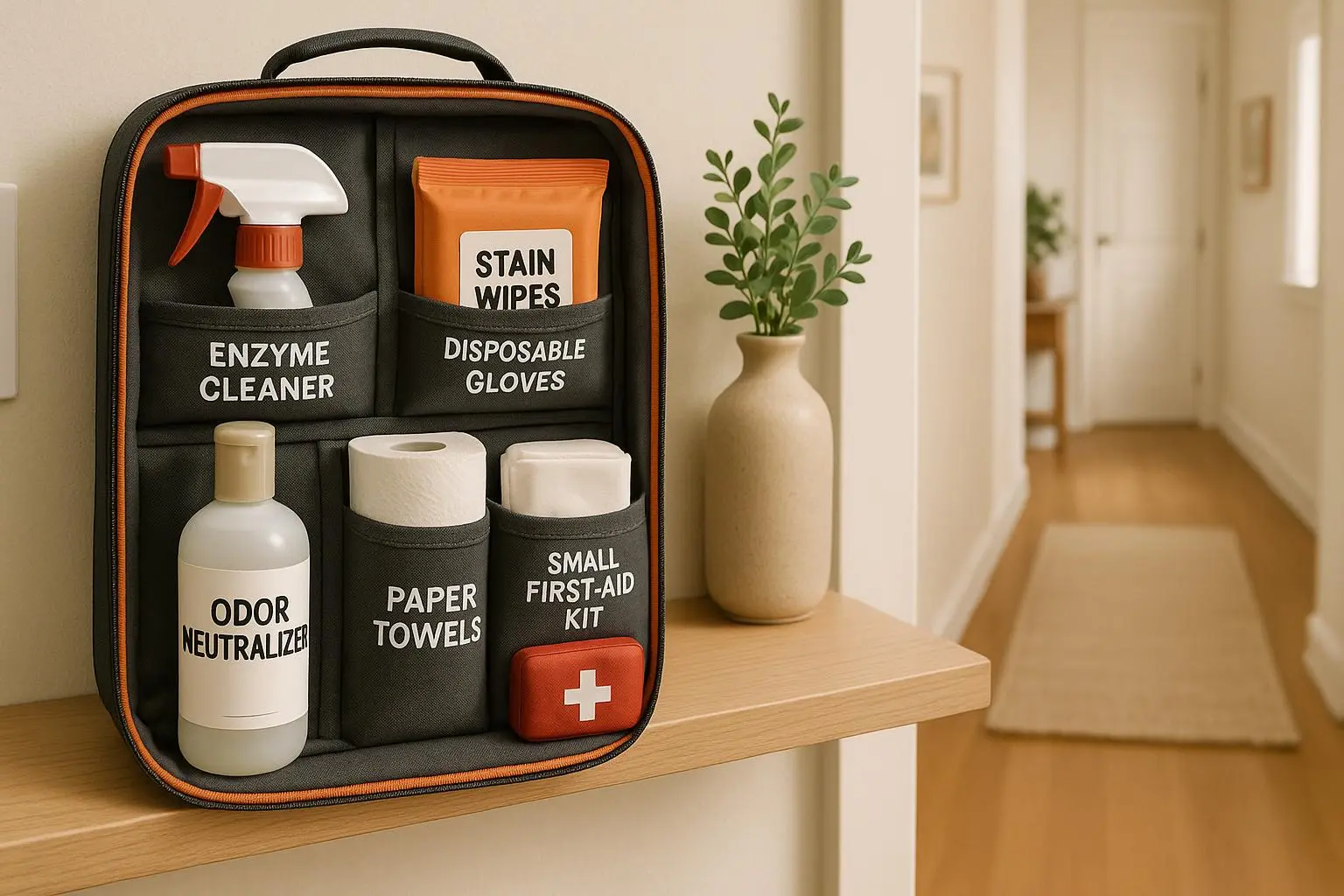
- Cleaning solutions: A non-toxic, pet- and kid-safe cleaner is non-negotiable. Add a reliable enzymatic cleaner for pet messes, because it tackles the odor at the source. Don’t forget a general-purpose cleaner and a glass cleaner for sticky surfaces. The rule I follow: no bleach near curious kids or curious pets.
- Odor control: Baking soda is a classic; a pet-odor spray or charcoal-based odor eliminator is smart to have around. Odors linger long after the spill, and removing the source is the fastest fix.
- Trash bags: Small, sturdy bags for quick disposal of soiled wipes and used paper towels. Easy to seal, easy to carry out to the outside bin.
- For pet accidents
- Enzymatic cleaner: This is the workhorse. It breaks down urine, feces, and other odors so pets don’t revisit the same spot. It’s not a miracle, but it’s incredibly effective when used promptly.
- Pet-safe disinfectant: After you’ve broken down the mess with enzymes, a gentle disinfectant helps with surface hygiene.
- Gloves: A simple layer of protection for your hands—especially when you’re cleaning up after a spill on carpet or upholstery.
- For minor injuries
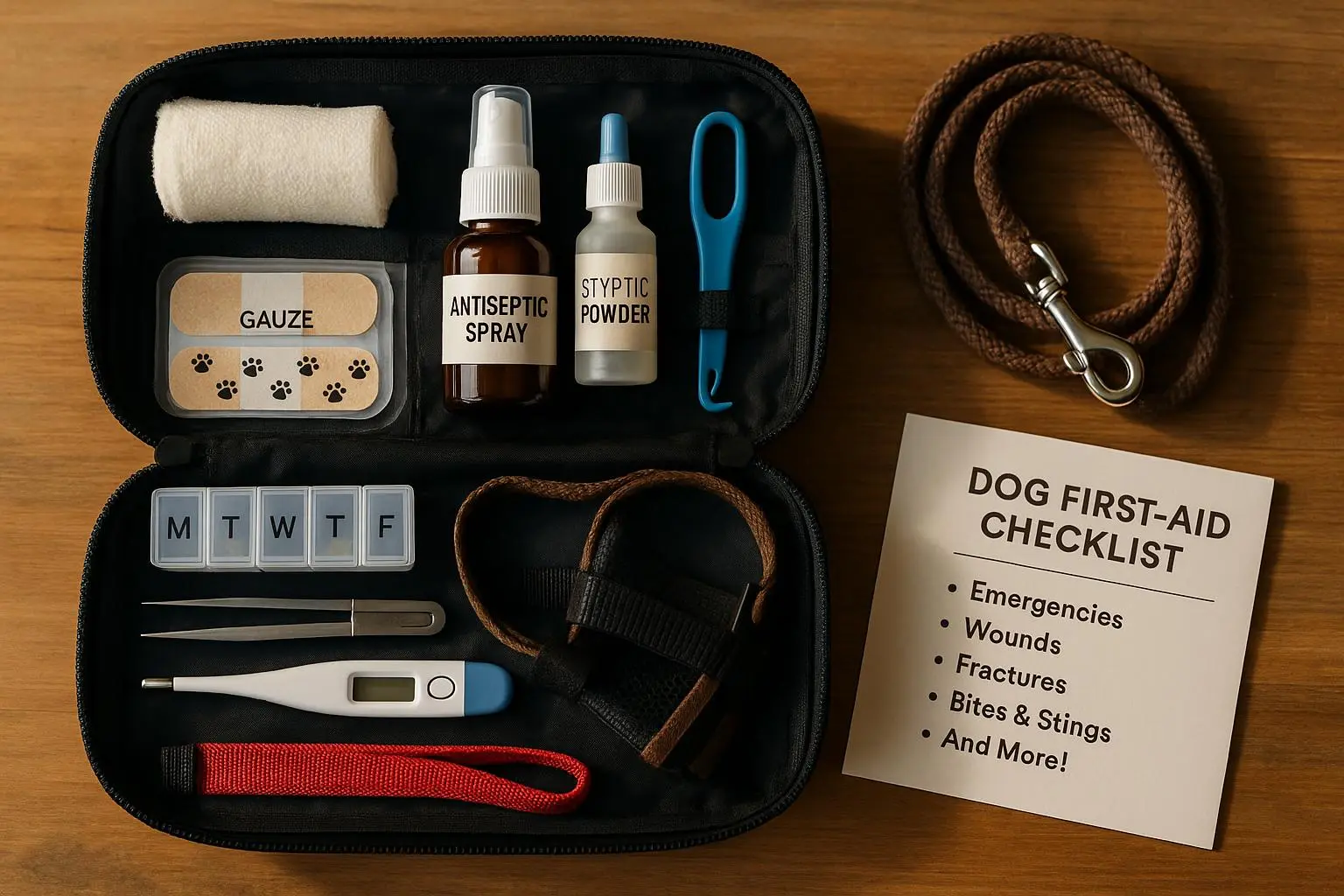
- A basic first-aid kit: Bandages (various sizes), antiseptic wipes, antibiotic ointment, gauze pads, medical tape, and tweezers. Small, essential tools that cover common scrapes and cuts.
- Cold pack: For bumps and swelling, cheap and effective.
- Helpful extras
- Baby wipes: They are soft, quick, and versatile for sticky hands.
- Hand sanitizer: Useful after you finish a cleanup and before you touch other things.
- Small spray bottle: A diluted cleaner for quick surface misting without soaking.
- Flashlight: Messes in dim corners? A small torch makes life easier.
- Safety and convenience
- One sturdy, clearly labeled container: Think “Pet & Child Clean-Up Kit.” If you have space, keep a second kit in the car for outings.
I’ve learned that the exact products aren’t the point. It’s the combination of safe items, clear labeling, and a plan that makes you efficient when adrenaline is up.
- Optionally, you can add a small toolbox organizer inside the kit. It helps keep items from scattering when you move quickly.
What to pack specifically can vary by household, but the spirit stays the same: be prepared for fast action, not slow hunting for supplies.
Where to keep it (and how to make it work)
The best kit sits where you can grab it in seconds, not minutes. It’s a small part of the house—but it pays off in real moments.
- Central locations: Put a kit in two spots you actually pass or walk by most days. Think under the kitchen sink or in a hallway closet. A second kit in the car is a smart addition if you drive kids or pets to activities.
- Easy access, but out of reach of little hands: A higher shelf or cabinet makes a good balance between accessibility for adults and safety for toddlers. Consider a wall-mounted box in the mudroom or garage if you tend to clean up after outdoor messes.
- Clear labeling: Use a bright label with large type and a simple descriptor. If you’re sharing duties with sitters, a quick card with: “Where to find it” and “How to use it” reduces hesitation.
- One quick-respond team: Make sure sitters, family members, or pet sitters know where the kit is and how to use basic items. A 60-second walkthrough on the first day of babysitting or pet-sitting shifts the whole experience from chaotic to confident.
In my home, we keep two kits. One sits in the utility closet near the laundry room—the clean-up hub for the house. The other lives in the car, tucked behind the back seat in a labeled tote. It’s not glamorous, but it means we’re never reaching for a towel while someone’s trying to wrangle a spill on the way to the car.
A quick aside that stuck with me: the difference between “in the car” and “near the door” isn’t just about accessibility. It changes how quickly people act. When you know you can grab it without stepping away from the moment, the mess gets contained before it spirals.
Safe cleaning products (how to choose without overthinking)
Safety isn’t glamorous, but it matters. With kids and pets in the mix, you want cleaners that minimize risk while doing the job.
- Look for non-toxic, pet-safe, and child-safe labels. The Safer Choice program by the EPA can be a helpful filter for choosing reliable products.
- Read the label and follow directions closely. Don’t mix cleaners, especially not ammonia and bleach—dangerous fumes can pop up fast.
- Store out of reach. A simple rule: cleaning supplies belong in a locked cabinet or high shelf, especially if you have curious kids or dogs who love to explore under sinks.
In practice, I default to enzymatic cleaners for pet messes because they attack odors at the source. I pair those with a non-toxic all-purpose cleaner for general grime and a window cleaner for glass surfaces. It keeps things simple and safe.
What I won’t do: I won’t pretend one product fixes everything. Some stains are stubborn, and odor control is an ongoing process. The goal is to have reliable tools that cover 90% of everyday accidents so you’re not scrambling.
Odor control (it lingers, so you plan for it)
Odors aren’t just smelly; they trigger kids and pets to revisit the same spot. You want to break the cycle fast.
- Ventilate when you can. Open a window, turn on a fan, give the room a little air.
- Baking soda is your best friend for carpets and upholstery. Sprinkle, let it sit, and vacuum.
- Enzymatic cleaners do the heavy lifting on odors tied to organic material (pet messes, spilled milk, etc.).
- Activated charcoal can be a quiet helper in small spaces that tend to trap smells (under sinks, pet beds, toy chests).
- If you’re sensitive to smells, an inexpensive air purifier with a HEPA filter helps clean the air in a small room where a spill happened.
A 60-second ritual you can adopt: once you finish cleaning, wipe surfaces again with a damp microfiber cloth, sprinkle baking soda, and air out the space. It’s small, but it prevents a lingering odor from turning into a longer-term problem.
Real-world stories (because this stuff happens to real people)
- A sitter story: When my sister watched the kids during a heatwave, she reported a spilled lemonade cascade across the kitchen floor. With the kit ready, she grabbed the enzymatic cleaner, mopped up the sticky mess, and used baking soda to neutralize the scent. She called to say it was the smoothest clean-up she’d ever had with kids around. The kids didn’t get cranky, and the dog didn’t pace around the damp patch while it dried.
- A dog-mishap moment: A neighbor’s pup knocked over a water bowl, soaking a rug. The enzymatic cleaner came out, the odor vanished in under 15 minutes, and the rug dried without leaving a soggy, stained impression.
- On-the-go mess: A car ride home from the park turned messy when a child spilled juice on the back seat. The car kit’s towels and a quick-dilute spray disinfected the area on the spot, so we could arrive home with everything under control.
30-second aside: I’ve learned that the simplest addition—keeping a spare roll of paper towels inside the car kit—has saved more mess moments than any high-tech gadget. It’s tiny, but it matters.
A practical, human checklist to use today
- Choose a sturdy, waterproof container for your kit. Label it clearly.
- Pack enough items to handle two to three reasonable incidents at once.
- Include at least two enzymatic cleaners (one for pet messes, one for general stains).
- Add gloves, a small first-aid kit, and a cold pack.
- Include a couple of washable cloths and a pack of disposable wipes.
- Place one kit at home and one kit in the car or near the main exit.
- Create a simple “Where to find it” card for sitters.
- Schedule a quarterly check to replace expired items and refresh supplies.
- Teach your babysitter or pet-sitter in a 5-minute walkthrough so they know where everything is and how to use it.
- Keep a small toolbox or pouch inside the kit to keep items organized and easy to grab.
This isn’t perfection; it’s practicality. It’s about building a routine that makes you feel calm when life gets messy.
How to customize this for your family
Every home has its quirks. Here are a few quick tweaks that can change the game for you:
- If you have a cat, add a lint roller to the kit for fur on fabrics and seats.
- If you drive a lot with kids, consider a travel-sized kit for the back seat or the trunk that mirrors the home kit’s essentials.
- If you’re dealing with senior care or extended family, include a few extra bandages, antiseptic wipes, and a simple first-aid guide in large print.
- If your kids are older, add a few kid-safe wipes and a small bottle of hand sanitizer specifically for after messy playtime.
In short: the kit should feel useful at a glance, not a scavenger hunt. The best feedback you can get is your own “I’d actually use this in a pinch.”
Quick-start plan (10 minutes to set up)
- Pick a sturdy container and label it. 2) Add a home kit and a car kit with the same core items. 3) Stock a few extra rolls of paper towels and a spare wipe stash. 4) Place in designated spots and leave a quick card with “Where to find it” and “How to use it.” 5) Do a fast walk-through with any caregiver or sitter you rely on. 6) Schedule a reminder to restock every 3 months.
If you’re thinking, “This sounds like a lot,” I get the hesitation. But the moment you’re mid-clean-up and everything you need is at your fingertips, you’ll thank yourself for setting this up ahead of time.