My Dog Growled at Me — Now What? A Compassionate Owner’s Recovery Plan
Aug 25, 2026 • 9 min
If your dog just growled at you, you’re not imagining the room tilting for a split second. My heart did the same thing once. I felt a dull twist of guilt, like I’d failed the furball who had trusted me for years. And that gut punch isn’t rare. Growling isn’t an omen of doom; it’s a signal. A real signal. Your dog is trying to tell you something, and if you listen—with calm, curiosity, and care—you can keep both of you safe and build a stronger bond.
This is not a hype-heavy guide. It’s a practical, step-by-step plan I’ve used with clients and with my own dog when the moment felt heavy. You’ll get immediate emotional first-aid for you, concrete safety steps, a simple way to record what happened for professionals, gentle retraining ideas, and a path to rebuild trust without shame or punishment.
I’ll also share a real story from my work—a moment that changed how I approach growling in dogs and the people who love them. And yes, I’ll tell you exactly what happened, what I did next, and what I learned.
Before we dive in, a quick aside that stuck with me: the sun was slanting through the blinds that afternoon, painting a long stripe across the kitchen tile as my dog stood tense, tail stiff, growling at my hand when I reached for a treat. It wasn’t about the treat. It was about him feeling cornered, overwhelmed, and honestly a little fed up with being touched in that moment. That small light on the floor reminded me that we’re all dealing with subtle, human-scale stress in this work. We can choose to respond with gentleness, or we can miss the chance to give our dogs back a sense of safety.
Now, let’s walk through it together.
Understanding the growl: what it means and why it matters
I’ve learned this the hard way more than once: a growl is a warning, not a verdict. It’s your dog’s way of saying, “I’m uncomfortable, please back off.” If you treat that warning like a problem to fix with force, you risk training your dog to hide signals or escalate more quickly. And that’s how bites happen—without the heads-up you actually need.
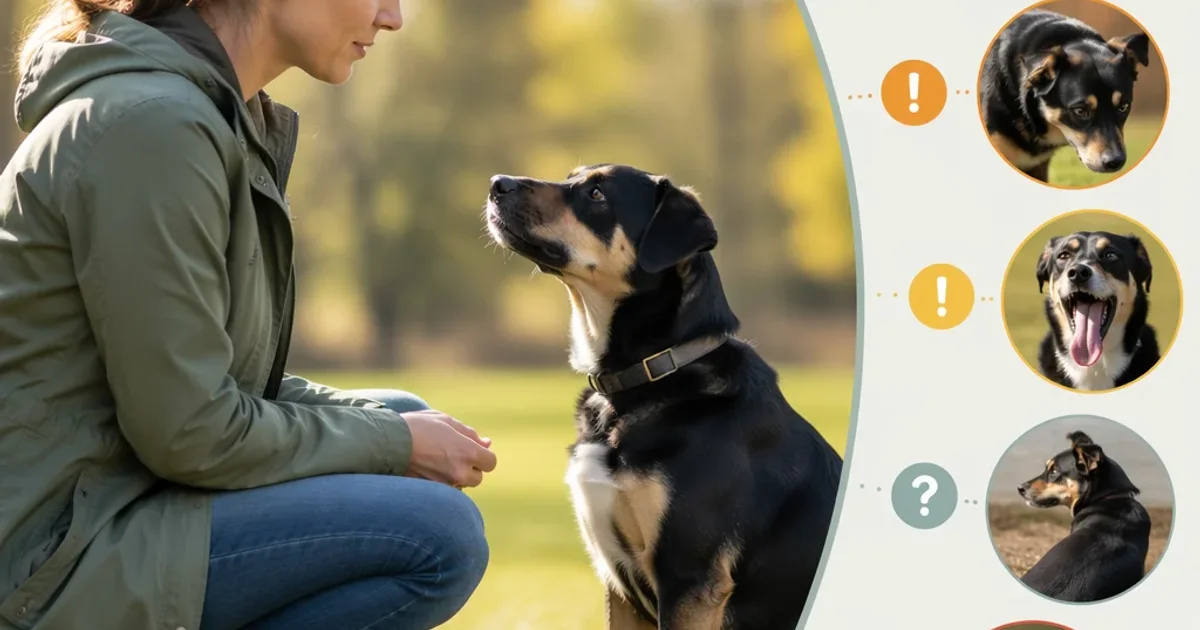
A growl isn’t universal. It looks and sounds different from dog to dog. Some dogs show it as a low rumble, others as a tense lip lift with a stiff body. It can happen during grooming, vet visits, or even when they’re resting and you move a limb they’re not ready to move.
What usually sits behind a growl:
- Pain or medical discomfort: arthritis, dental issues, injuries, or hidden illnesses. Dogs often mask pain until it’s severe.
- Fear or threat perception: someone approaching too quickly, a loud noise, a new space, or a sudden touch.
- Resource guarding: guarding a bone, bed, water bowl, or a preferred resting spot.
- Overstimulation or fatigue: a long day, too much petting, or a distracting environment.
And yes, you can tell a different story with each dog. A growl at the dinner bowl might be about guarding that meal. A growl when you reach for his paw could be about a painful joint. The key is to slow down, observe, and document.
A real moment from my experience: I was working with a terrier mix who would growl when someone walked by his bed while he slept. The first time it happened, I recoiled and checked his teeth like I’d discovered a crisis. But the dog wasn’t guarding out of aggression—he was waking up in a strange new apartment, already on edge, and the bed was his place of safety. The growl was his boundary. It wasn’t about us; it was about him reclaiming a space where he could rest without being disturbed. We adjusted our routines, introduced a “bed time” place cue, and gradually rebuilt safety around that space with patient counter-conditioning. The problem wasn’t the dog; it was a mismatch between his needs and our actions.
That aside—short and practical—is a reminder: when we listen, the signal is a teacher, not a verdict on character.
Step 1: Emotional first-aid for you
Here’s what I’ve learned from dozens of clients and a few tough evenings at home: your feelings are valid. Anger, guilt, fear, heartbreak—these emotions are not the enemy. They’re signals too. When you feel overwhelmed, name it, and then choose your next move.
What I tell people who are shaken after a growl:
- It’s not your fault. A dog’s communication isn’t a personal attack. It’s information about their current state.
- You can be calm and strong at the same time. That contrast matters. When you’re calm, your dog can feel safe enough to actually tell you more in future interactions.
- You don’t need to have all the answers today. You need a plan for safety and a path to understanding.
A quick micro-moment that stuck with me: I was at a client’s house, and right after a growl, the owner whispered, “I’m scared.” Their fear wasn’t a weakness; it was a signal that they cared enough to want to respond differently. We spent five minutes just breathing together, in the same rhythm as the dog’s shallow breaths. That moment crystallized for me how emotional self-regulation is a foundation, not a luxury, when you’re dealing with canine signals.
If you’re feeling shaky, try this 2-minute ritual:
- Step back, hands low and visible, palms open.
- Breathe in for four seconds, hold for two, exhale for six.
- Repeat until your body starts to soften.
Your dog will feel that change a little at a time. And you’ll be modeling a calm, predictable response, which is exactly what reduces a dog’s overall stress.
Step 2: Immediate safety steps you can actually do
No, you can’t walk away from a growl with a lecture. You walk away with a plan. Here’s a simple, repeatable safety sequence you can use in the moment.
- Stop what you’re doing and pause. If you were touching or approaching, now is the time to remove yourself.
- Create distance calmly. Back away slowly, don’t stare, don’t lean in. Give them space to reorient.
- Assess the environment. Is there a high-value resource in reach? A toy? A bone? Keep those assets out of the dog’s immediate space if possible for a while.
- Communicate safety cues, not punishment. You can say “easy” or “settle” in a soft tone, without demanding a response. You’re signaling safety, not control.
- Observe, then log. Note what happened, what you were doing, where the dog was, what triggered it, and what happened after you backed off.
The simple truth: growling is trying to prevent what would come next. When you back off, you’re teaching your dog that warning signals work to keep them safe. It’s an immediate, practical form of training that buys you time to figure out the bigger picture.
I’ve seen this in action with a senior shepherd who’d snap if you moved his hind legs. The first instinct for his owner was to restrict him entirely. Instead, stepping away, letting him settle, and then approaching from a different angle allowed us to remove the fear around handling. The dog still got his medical check, but without triggering a full-blown flare of aggression, which let us explore pain-related causes with much less stress.
Step 3: Record what happened (so you’re not guessing later)
You don’t want to rely on memory. You want a clean log that a vet or behaviorist can actually use.
Create a simple incident diary entry after every incident:
- Date and time
- Where it happened
- What the dog was doing immediately before the growl
- What you were doing when the growl started
- The dog’s body language (stiff posture, ears back, whale eye, lip curl, tucked tail)
- What happened next (did the dog retreat, did the other person back off, did you back off)
- Any changes in environment since the last incident (visitor, new pet, loud noise)
This isn’t about blame. It’s about pattern recognition. A professional can look at several of these entries and see a trend you might miss: a certain room, a specific nightly routine, or a particular interaction (like touching a certain area) that consistently triggers a warning.
One of my patients—a border collie with frequent growls around meal times—had his record show a clear pattern: the moment someone approached the bowl, even with a calm voice, his body tensed and the warning followed. When we changed the feeding routine to a “hands-off” setup with the bowls placed away from the main traffic area, the frequency dropped dramatically within two weeks. It’s not magic; it’s understanding and adjusting the trigger dynamics.
Step 4: Rule out pain or medical issues (the non-negotiable)
Pain is a major, often overlooked cause of sudden growling. If a dog grows up into caution or aggression, medicine might be the missing piece that makes sense of it all.
- Schedule a vet check, even if the dog seems “fine” on the surface.
- Note any signs of pain beyond growling: limp, reluctance to move a certain way, changes in appetite, or hiding.
- If the growl ramps up with touch, insist on a medical screening of the areas typically involved (joints, spine, teeth, hips).
I can’t count how many times a seemingly behavioral problem melted away after a medical issue was addressed. The moment you rule out pain, you clear a huge mental space for both you and your dog to approach behavior change with clarity rather than fear.
Step 5: Gentle retraining and behavior change (the heart of the plan)
After pain is ruled out, you’re left with the emotional side of your dog’s world. This is where positive reinforcement shines and where you can make meaningful, lasting shifts without turning your dog into a pretzel of fear.
Key principles:
- Avoid the trigger for now, or control the context tightly so you’re never pushing your dog past their limit.
- Use high-value rewards to create a positive association with previously triggering situations.
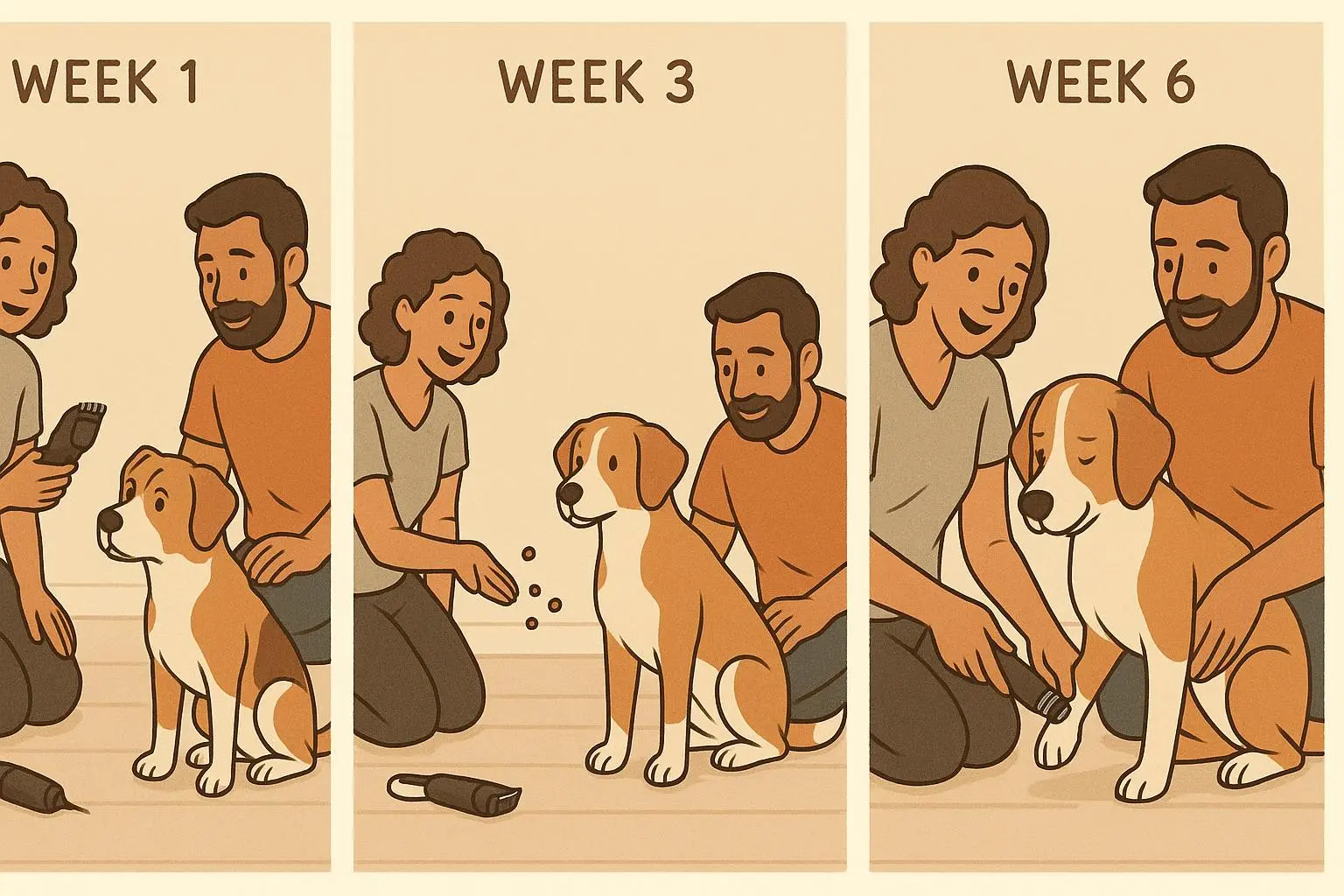
- Desensitization and counterconditioning should be gradual, incremental, and never rushed.
- Teach an incompatible behavior you can cue when you anticipate the trigger (for example, “go to mat” when you walk near the bowl).
- Enrichment matters. Mental exercise reduces overall stress and makes change more sustainable.
Concrete moves you can start today:
- If your dog growls at handling, practice touch at a distance. Stand a few feet away, reward calm behavior with a treat, then step closer by small increments across several sessions.
- If a resource-guarding incident is the trigger, hide or remove the item temporarily, and practice trading—offer something even more valuable than the item in question, then gradually reintroduce the item in a controlled setting.
- Create predictable routines that your dog can rely on. Dogs respond well to structure; it lowers fear and the tendency to lash out.
A client of mine used a simple cue—“watch me”—to redirect attention during tense moments. Every time the dog looked at him and stayed calm, they rewarded with a bite-sized treat. Over time, the dog learned that looking at his human was a good moment, not a risk. This small behavioral swap cut down late-afternoon growls significantly within a few weeks.
And here’s a tiny, practical aside that helped us: a dimmable lamp and a quiet space. Lower light and a calmer sound environment during retraining sessions made a surprising difference. It’s not glamorous, but it’s these small details that give a dog the space to relearn safety.
Step 6: Rebuild trust without shame
This is the long game. Trust isn’t restored in a day; it grows through consistent, compassionate interactions over weeks and months.
- Never punish growling. Punishment teaches dogs to hide signals or escalate without warning. It erodes trust and can provoke bites because the dog feels they can’t warn you anymore.
- Respect your dog’s boundaries. If they show caution, step back and give them space. Let them decide when to engage.
- Celebrate tiny wins. A relaxed body, a wag instead of a stiff tail, a sniff around you instead of darts away—these are big steps.
- Keep communication crystal clear. One of the best tools is a simple set of calm, predictable cues (come, sit, stay, settle) paired with positive reinforcement.
- Find enrichment you both enjoy. Walks, puzzle toys, scent games, or training sessions that feel like play can rebuild the bond faster than forced training.
Real-world note: I worked with a dog who had a history of snapping when his human tried to adjust his collar. We didn’t force the issue. We used a long, soft leash to allow space while the dog got comfortable with the idea of being touched again. Within a month, the dog would look for gentle contact and even approach his owner to be touched in a way that felt safe.
Step 7: When to seek professional help (and why you shouldn’t wait)
If:
- The growling is frequent, intense, or escalating
- You can’t identify a trigger
- You feel unsafe or overwhelmed
- Your dog has other anxiety or aggression signs
then a professional is not a last resort; they’re the fastest route to safety and clarity. Look for:
- A CPDT-KA or CAAB who uses force-free, positive reinforcement methods
- A veterinarian who can coordinate medical evaluation with behavior work
- A behaviorist who can help you develop a tailored desensitization plan
My rule of thumb: if you’re already exhausted or terrified at the thought of a session, don’t wait. Reach out. The sooner you get a plan that fits your dog’s needs, the sooner you both get back to feeling like yourselves again.
Step 8: Keep compassion at the center
This journey is about rebuilding a relationship, not about fixing a “bad dog.” Compassion buys you safety, trust, and progress. It’s a practice, not a one-off event.
- Speak to your dog in a soft, calm voice even when you feel shaken.
- Use photo-friendly moments as reminders of safety—times when your dog is relaxed and content in your presence.
- Let your dog have ownership of some moments. If they want to approach you on their own terms, welcome it, but don’t pressure it.
- Practice patience. You’re re-teaching a partner who learns at their own pace.
If you’re doing all this and still feel stuck, that’s a sign to pause and seek professional guidance. The right expert will help you adjust the plan to your dog’s temperament and life situation, not force you into a one-size-fits-all method.
Final thoughts: you’ve got this, and you’re not alone
A growl is unsettling, but it’s also an invitation to deepen your relationship with your dog. It asks you to slow down, notice the small signals, and respond with care instead of fear. The goal isn’t perfection; it’s presence. It’s showing up with a plan, not a reaction.
You’re doing the hard, important work of understanding your dog’s world—and that’s something to be proud of. It’s not about being perfect; it’s about choosing a path that builds trust, safety, and connection.
If you take one thing away from this piece, let it be this: the moment a dog growls is a moment to reset, not to resign. You respond with calm, you document the context so professionals can help, you retrain with kindness, and you rebuild trust with patience. In that order, you’ll find a stronger bond waiting on the other side.