Whale Eye, Soft Eyes & Dilated Pupils: When to Worry and When to Wait
Dec 14, 2025 • 9 min
Understanding what your dog's eyes are saying is one of the most practical skills you can develop as a pet owner. It’s not about chasing the perfect look in a photo. It’s about reading real signals—how their gaze, the shape of their eyes, and the way their body carries themselves change in moments of fear, excitement, or pain. And yes, there are moments to monitor, moments to soothe, and moments to seek help.
I learned this the hard way with a rescue dog named Miko. He came to us skittish, the kind of dog who would stare at a door as if it might swallow him whole. After a couple of months, I started noticing something that didn’t feel right: his pupils would dilate in bright light, his eyes looked larger than I remembered, and sometimes the whites—the sclera—peeked out during ordinary moments. I assumed it was fear, or “typical dog stuff.” It wasn’t. A vet visit revealed an evolving eye issue that would have been missed if I hadn’t slowed down and read the full picture. Miko’s eyes taught me a truth I’ve carried ever since: signals in a dog’s eyes are rarely about one thing. They’re a language, and context is everything.
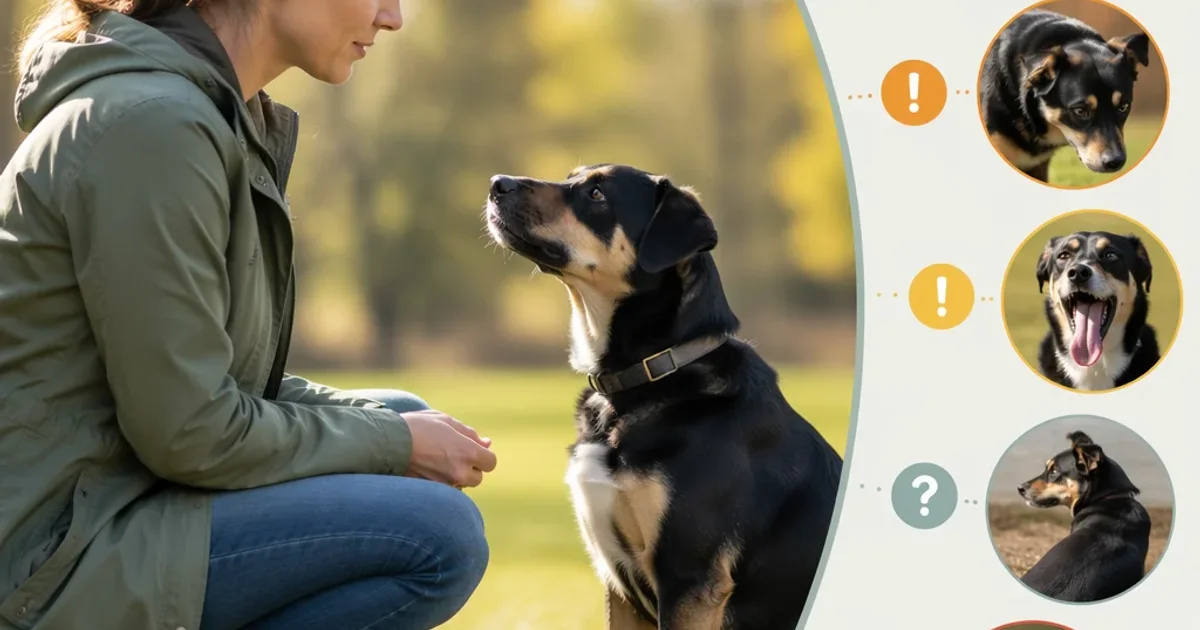
A quick micro-moment that stuck with me: I was at the park with Miko, and a jogger whizzed by. His pupils widened, but his stance stayed soft. I almost pulled him away, but I paused, watched his ears, noticed the relaxed mouth, and relaxed myself too. Seconds later, he turned toward me with a calm blink. It wasn’t fear—it was focus, perhaps a little curiosity. That moment reminded me that eyes are powerful, but not the whole story.
If you’re reading this because your dog’s eyes look different lately, you’re not alone. It’s easy to panic when you see dilated pupils, or when you catch that classic “whale eye”—the whites of the eye showing up around the iris. But fear isn’t the same as danger. The goal here is practical: a simple framework to tell you when to monitor, apply calming strategies, or call the vet.
Let’s break down the signals, the causes, and the actions you can take—without the jargon, with real-life examples, and with scripts you can use tonight.
What “whale eye” and friends actually mean
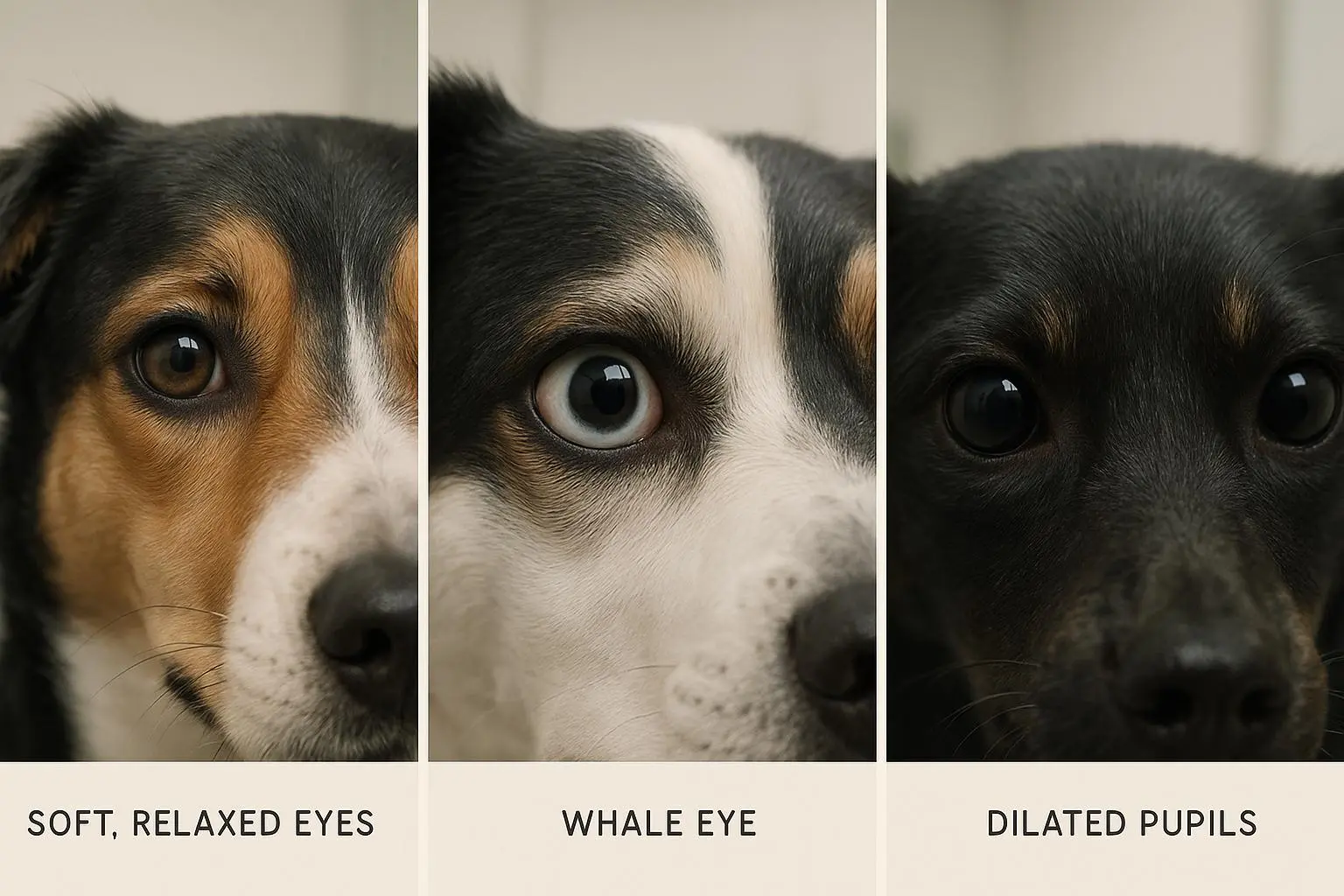
Whale eye isn’t a fancy medical term. It’s a picture you’ll recognize: the white sclera showing on the side of the eye as the dog looks away from what’s in front of them. It’s one of the most recognizable canine signals of distress, fear, or conflict. But context matters. A dog might show whale eye during a tense meetup with another dog and snap back seconds later; that can be a sign to back off, not to escalate.
Soft eyes are the opposite: a relaxed, gentle gaze. The eyelids soften, the mouth is at rest, and the dog seems calm and present. Soft eyes are what you want to see when you’re asking your dog to settle, focus on a cue, or simply relax during a quiet afternoon.
Pupil dilation. In dogs, dilated pupils can come from a mix of places: excitement, fear, pain, lighting, or even medical problems. The same dilated pupil in one dog can be totally benign in another if the rest of the body language lines up—loose body, wagging tail, relaxed mouth. It’s the same with constricted pupils. A small, focused dot of a pupil in a calm dog is not cause for alarm; a dog with big pupils in a stressful moment might be signaling something worth investigating further.
A real-world guide: the three-step decision flow
Here’s a practical flow you can apply in real life, not just in theory.
Step 1 — Monitor (the context and body language matter)
- If your dog’s eyes dilate but the body looks loose, tail is wagging, and they’re inviting interaction, it’s most likely arousal or excitement. You don’t rush in; you observe for 30 seconds. If the arousal subsides, you’re done. If it escalates—stiffening, hard stare—then you move to Step 2.
- If whale eye or a hard stare shows up, give space. Do not hover or force proximity. This is signaling discomfort or a boundary.
Step 2 — Soothe (calming signals and controlled exposure)
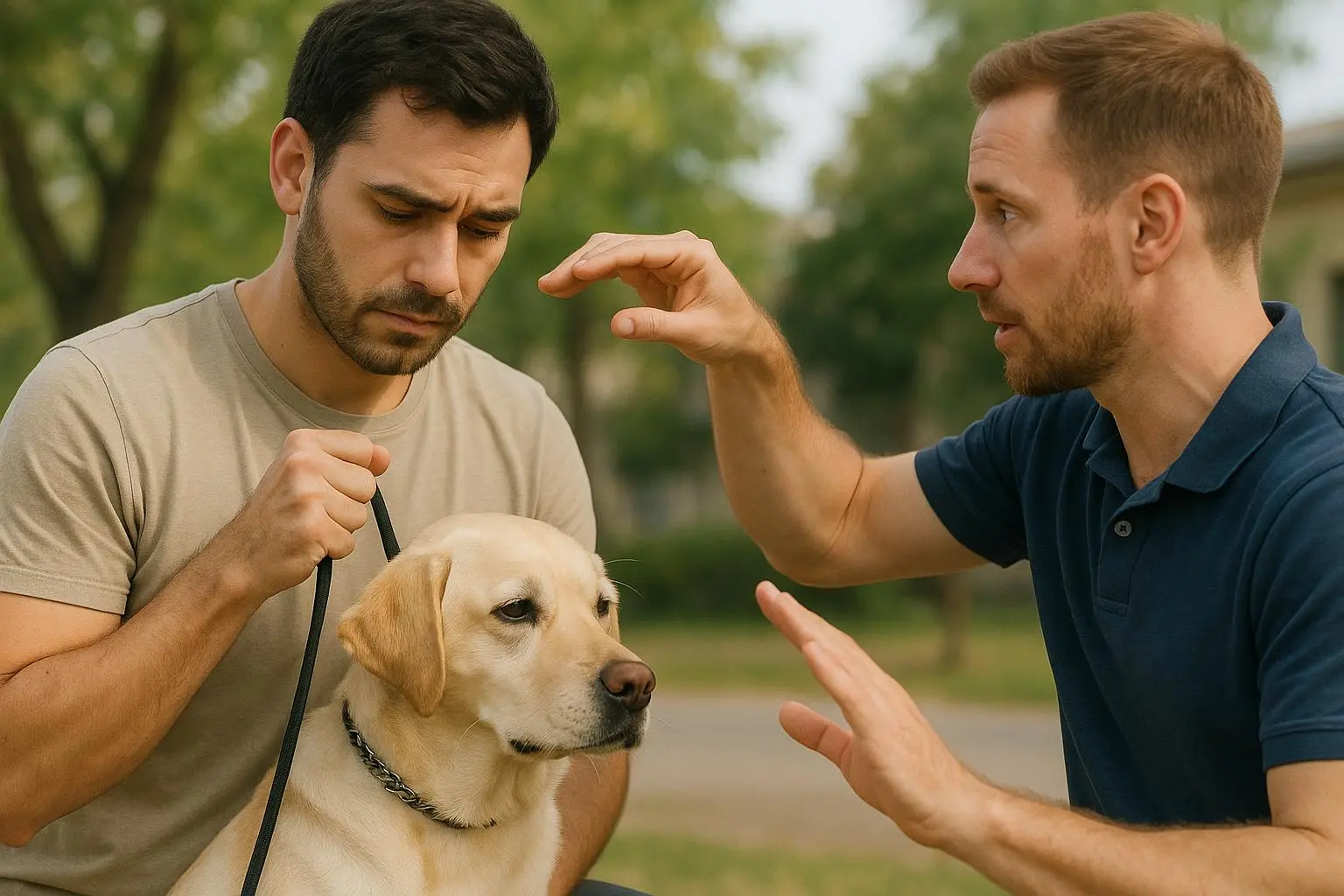
- Move slowly, speak softly, and avoid direct staring. The goal is to reduce the dog’s threat perception, not to “win” the moment.
- Use a calm, sideways stance—your goal is to become less of a threat. If you can offer a familiar cue or game, do it from a short distance.
- If you’re handling the dog (brush, examination, trimming), narrate what you’re doing in a reassuring tone and give breaks if the dog seems overwhelmed.
Step 3 — Seek care if needed (when to call the vet)
- If the pupils stay dilated in bright light, or if there’s redness, discharge, cloudiness, or the dog seems to hurt, call the vet.
- If there’s anisocoria (one pupil larger than the other) or any sudden, persistent changes, treat it as urgent.
- If the dog shows signs of pain—pawing at the face, squinting persistently, reluctance to blink—get professional eyes-on-care quickly.
A credible, practical lens on causes
Emotional causes
- Arousal, excitement, or focus: a walk, a new toy, a scent trail. The pupil dilation can be a normal part of engagement.
- Fear or anxiety: whale eye can be one of the earliest clear signals. If the dog’s body is stiff, tail tucked, or lip licking in addition to that eye cue, you’re looking at a real stress moment.
- Conflict escalation: a dog who’s torn between wanting to approach and wanting to retreat will show mixed signals, including whale eye and a tense stance.
Medical causes
- Pain or discomfort: anything from a minor corneal abrasion to a deeper eye issue can cause pupil changes and squinting.
- Eye diseases: uveitis, cataracts, glaucoma. These often come with redness, discharge, light sensitivity, or cloudiness.
- Neurological or systemic issues: anisocoria can mean something more serious, like Horner’s syndrome or retinal problems.
- Medications or lighting changes: sometimes the simplest explanation—dim lighting, a new medication, or a temporary dilation from a topical or systemic drug.
What I’ve learned about reading the signals (and why it matters)
I mentioned Miko, the rescue who opened my eyes to this world. His eyes were never “just” eyes. They carried stories about fear in unfamiliar rooms, about a medical check that felt like a trap, about moments of trust when I slowed down and sat at his level. The first time the eye changes crossed from “normal uncertainty” to “this could be something medical,” I was tempted to default to “just calm him down.” That was the wrong instinct. We needed eyes-on care, because the combination of symptoms mattered, not a single cue.
If you’re reading this and thinking, “That sounds like common sense, but I don’t actually know what it looks like,” you’re not alone. The best way to learn is to observe:
- Watch your dog in low-stress moments and note what soft eyes look like. Then watch in a higher-stress moment (like doorbell rings or a mailman) and compare.
- Keep a quick notes log for a week: dates, what happened, how the eyes looked, what else the body did. You’ll start seeing patterns that help you decide whether to monitor or seek care.
A quick dive into the science (without the jargon)
I pulled in a few credible threads to ground this in something you can trust:
- The eye’s anatomy matters. Dogs have a third eyelid and a reflective layer to boost night vision, which means their eyes aren’t the same as ours at baseline. Understanding that helps you interpret why dogs’ eyes look different in the same cues you’d read in a human.
- Soft eyes vs. hard eyes are more than aesthetics. It’s about tension in facial muscles and the rest of the body. A dog with soft eyes usually has a relaxed posture and a calm mouth; hard eyes are a warning signal that something needs de-escalation.
- Pupil dilation is not a one-note signal. It can happen with light, excitement, fear, pain, or disease. The twist is that you have to look at the whole package: eye shape, body language, and the context.
The practical scripts you can steal today
These scripts are designed to be easy to say, carry your tone, and avoid the impression you’re micromanaging your dog.
For a mildly anxious dog showing whale eye
- Say softly, looking slightly away: “Hey buddy, I see you’re unsure. We’re okay. Let’s just sit together and take a breath.” Then drop to a seat and let your dog approach on their own terms. No grabbing, no forcing.
For a dog showing whale eye during handling
- Keep a calm voice: “I know this is uncomfortable. I’m moving slowly and talking you through it. We’re almost done.” Narrate what you’re doing as you do it, and pause if tension rises.
For a dog with dilated pupils during a stressful scene
- Redirect gently: “You’re focused right now. Let’s switch to something you know and enjoy.” Then offer a familiar cue or game to regain control without rushing.
For a dog with multiple eye-related cues
- “I’m noticing several changes in how you’re looking and acting. Let’s get you checked so we can be sure everything’s okay.” Then call your vet and share the signs with them—don’t rely on memory alone.
What to watch for at the vet (a quick checklist)
If you do end up going in, here’s what to tell the clinician:
- When did you first notice the eye changes? Any pattern (time of day, lighting, after exercise, during handling)?
- What other signs do you see: discharge, redness, swelling, squinting, pain behaviors?
- Has there been any trauma, surgery, or medication changes?
- Any anisocoria (one pupil larger than the other) or a mismatch in how the dog responds to light?
The bottom line
Eyes tell stories. They’re a powerful cue, but they’re not a verdict on your dog’s health. Whale eye and dilated pupils aren’t automatically “bad.” They’re signals that deserve your attention, a careful read of the context, and a dose of calm. With that approach, you’ll know when to monitor, when to soothe, and when to head to the vet—hopefully before an issue becomes urgent.
If you want a straightforward takeaway: treat eye changes as data points, not diagnosis. Use the three-step flow, trust your gut when something feels off, and don’t hesitate to get a professional opinion if you’re unsure.