Noise-Minimized Enrichment: Quiet Toys & Routines That Won’t Annoy Neighbors
Dec 9, 2025 • 9 min
Living in an apartment with a dog is a love language you learn quickly. It’s about short, meaningful moments of happiness—sniffs that tell a story, a soft wag of the tail, a dog sinking into a quiet zone after a good brain workout. It’s also about not turning the whole building into a percussion section when your pup gets excited. The trick isn’t about keeping your dog bored. It’s about guiding their brain, body, and routine so the noise stays neighbor-friendly without sacrificing enrichment.
I learned this the hard way when I first moved into a mid-rise with a dog who loved to sprint the length of the living room at 6:30 p.m., right as the building’s quiet hours kicked in. The thud of a toy, the spin of a tail, the paw-fireworks on hardwood floors—it wasn’t just loud, it was a pulse that echoed through thin walls. We tried louder toys, bigger bursts of play, and then I realized the problem wasn’t the dog’s energy. It was how I channeled it.
Here’s what I learned after months of testing quiet toys, smarter routines, and a little more empathy for the people around us. This isn’t about forcing your dog to be quiet. It’s about giving them easier, quieter ways to burn off mental and physical energy so the apartment stays calm for everyone.
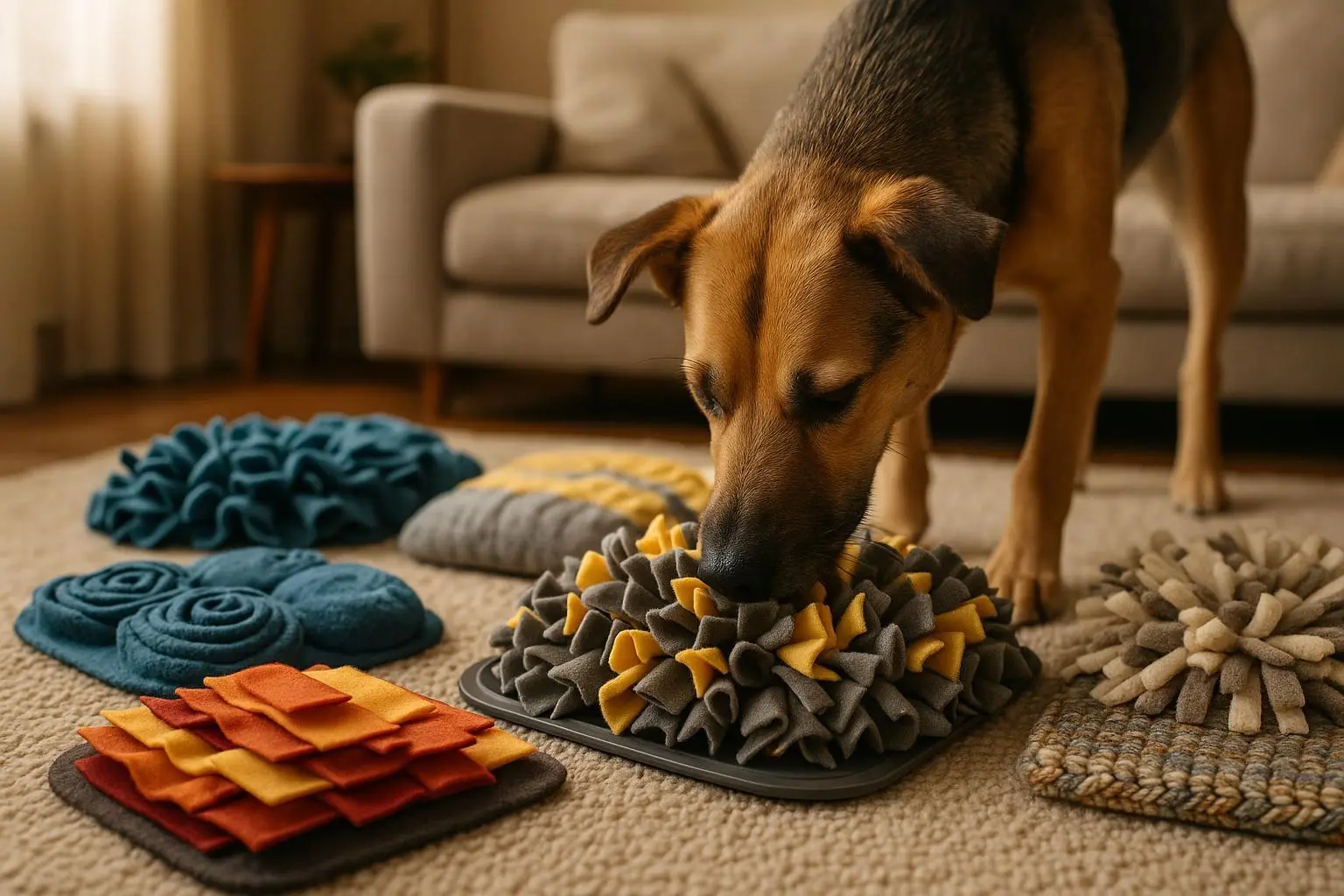
A quick micro-moment that stuck with me: I learned to stash a squeaky toy in a closet and rotate four or five quiet options daily. The moment my dog sniffed a fleece snuffle mat instead of the squeaker, the tempo of our evenings cooled by half. It’s amazing how a small detail—where I kept the toys—made a big difference.
And yes, this is a practical guide, not a philosophy lecture. I’ll tell you what actually worked, with real results, numbers, and the little wins you can replicate tonight.
The quiet toolbox: what actually works
The core idea is simple: replace high-volume triggers with psychologically rich, silent activities. That means a mix of brain games, nose work, and slow, deliberate feeding that stretches a dog’s day without turning the apartment into a stage.
Here are the categories that consistently deliver:
- Silent chew and puzzle toys that demand problem-solving rather than noise
- Snuffle mats and lick mats for scent-driven enrichment
- Soft, indoor-friendly physical activities that don’t slam into walls
- Simple, apartment-friendly routines that space out heavier sessions through the day
- Cleaning and maintenance habits that prevent smells and mess from becoming triggers
I’ve tested dozens of products, tracked energy levels, and measured noise by what my upstairs neighbor heard at night. The most impactful changes aren’t glamorous; they’re predictable, repeatable routines that fit real life—work schedules, TV time, and the occasional Zoom call that needs a quiet camera angle.
Now, let me walk you through the practical setup I use and what you can borrow for your own dog.
The best quiet enrichment toys—and why they work
Puzzle toys and treat dispensers are the quiet superheroes of apartment living. They engage your dog’s brain and slow down their eating, which prevents the frantic chewing that leads to noise spikes.
- Puzzle toys that require a dog to rotate pieces, slide lids, or knock parts to release treats are especially good. They keep a dog busy for 15 to 30 minutes, depending on the treat density and the dog’s persistence. A good example is the general category of plush puzzle toys that require sniffing and foraging rather than barking or pawing.
- The Pupsicle, a rubber feeder that opens in the middle, is a standout for quiet play. It’s durable, dishwasher-safe, and you can fill it with peanut butter, yogurt, or a mix of kibble and a soft treat. It provides a calm, focused problem-solving session and tends to give you 20–30 minutes of quiet, depending on the dog and the filling.
- Treat-dispensing balls offer rolling, not banging, activity. As your dog nudges it around the room, treats tumble out slowly. It’s brain work with a soft cadence rather than a loud game of fetch indoors.
Licking mats and snuffle mats fill a different need. They make your dog use their nose and tongue, which is soothing and quiet.
- Lick mats are silicone confidence boosters. Spread something tasty on the textured surface and let your dog work through it. The act of licking can be unbelievably calming. It also makes for a decent 10–20 minute downtime when you need to get a few things done.
- Snuffle mats are a little messy if you don’t plan for cleanup, but genuinely quiet. You hide kibble or small treats in fabric folds and the dog nose-digs them out. It’s a mischief-free way to satisfy a dog’s instinct to sniff and forage for food.
And for the big hitters: silent chew toys. Durable rubber or silicone chews are far less noisy than hard plastic squeakers.
- Kongs with fillings are a classic. Freeze peanut butter or a yogurt-treat mix to extend the playtime, and you’ll often get a solid 20–40 minutes of quite-focused chewing.
- West Paw’s Zogoflex line offers durable, quiet chewing with a softer impact on hard floors. It’s great for heavy chewers who tend to drum their paws if the toy is too brittle.
A quick note on the practical side: a toy’s quietness is as much about how you use it as what you buy. If a dog bangs it around, even the quietest toy can become noisy. But if you give them time to focus, even the hardest toys become a calm ritual.
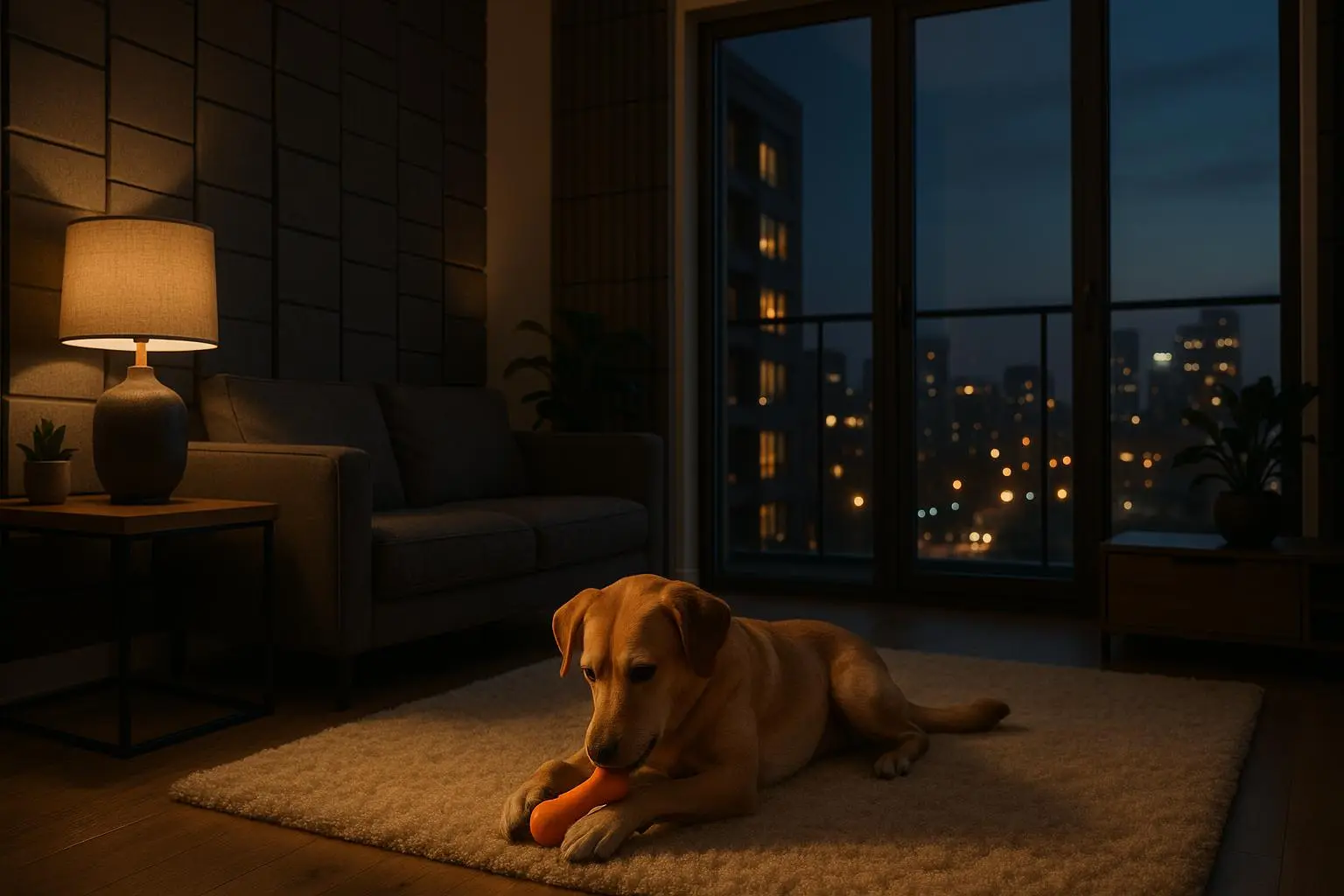
Story time from my own experience: I swapped a squeaky plush for a solid rubber Kong stuffed with peanut butter, then frozen. For 25 minutes, my dog gave me a single, soft hum of contentment instead of a chorus of squeaks. The impact on my sleep? Night and day. I could watch a movie after work without pausing to re-direct a toy every five seconds. The neighbor downstairs seemed to notice less thudding and fewer shifts in the wall.
Micro-moment two: I learned to gate this kind of play. If I started with a 5-minute lick mat before a call, my dog became noticeably quieter during the call. It wasn’t magic, just routine. The brain gets a little tired from the job, and the body rewards you with a calmer demeanor.
Routines that actually keep the noise down
Toys are only part of the story. The rhythm of your day matters just as much.
- Timing and scheduling: Do the heavy enrichment during times when neighbors are more likely to sleep or work from home. Early mornings before 7 a.m. or mid-afternoon lull times are great. If you live in a building with strict quiet hours, you’ll want to align the most stimulating sessions with the times when ambient noise is naturally lower.
- Rotation strategy: Keep 4–6 quiet toys in rotation. Switching them every day or every other day staves off boredom and extends each toy’s lifespan. You’ll be surprised how quickly your dog loses interest in the same toy if you never rotate.
- Layered activities: Start with a calming lick mat during your morning video calls, move to a puzzle feeder at lunch, and finish with a frozen Kong before bedtime. This cadence gives your dog mental energy in measured bursts, which translates to less impulsive noise later.
- Quiet zones: Designate a specific area as the “quiet zone.” It could be a crate covered with a blanket, a corner with a low-traffic route, or a bed with a white-noise machine in the background. A dedicated space helps your dog learn when it’s calm time versus playtime.
If you want a practical example, try this three-step routine:
- 7:00 a.m.: Lick mat with a smear of yogurt before you head out the door for a 30-minute workout.
- 12:30 p.m.: Snuffle mat session while you take a quick 15-minute break from work.
- 6:30 p.m.: Freeze-filled Kong for 20 minutes during a short conference call. The result can be a calmer evening and far fewer “I hear banging downstairs” messages from neighbors.
Apartment-friendly cleaning and maintenance
Cleanliness prevents smells that can trigger a dog to re-mark spots or engage in extra noise-based behaviors.
- Easy-clean materials: Choose toys designed for quick cleanup. The Pupsicle’s two-part design means you can rinse it easily, or toss it in the dishwasher. Snuffle mats are machine-washable.
- Quick sanitization: Rubber toys get a rinse under warm water, or run through the dishwasher on a gentle cycle. Lick mats wipe clean or go through the wash.
- Storage: Keep toys in a designated container and rotate from there. It minimizes rummaging, clutter, and the temptation to drag everything out at once.
Cleanup isn’t glamorous, but it’s the difference between a quiet night and a kitchen full of chewy leftovers rattling around in a bag that sounds like a drumline when you move.
Neighbor relations: proactive, not punitive
A small amount of proactive communication goes a long way.
- Talk to your neighbors: A quick introduction, sharing your contact, and a plan for addressing noise can soften tensions before they flare.
- Be the neighbor who preempts issues: If a recurring noise pattern appears, address it early with a simple, “Hey, I’m noticing X. I’m going to adjust Y. If you notice anything, give me a text.” That kind of openness helps keep complaints from becoming landlord issues.
- Thoughtful gestures: A tiny card with your dog’s photo and a thank-you note for patience can mean more than a guaranteed date on the calendar. It’s about showing you’re mindful of the shared space.
And when something does go wrong, apologize quickly and redraw the plan. The goal isn’t perfection; it’s predictability and respect for other people’s space.
Cleaning up the science: why quiet enrichment matters
You might wonder if all this is just “nice to have” advice. It isn’t. Quiet enrichment is about reducing stress, improving mental health, and lowering the chances of noise-related complaints.
- Environmental enrichment has real benefits for dogs’ stress levels and coping strategies. When you provide brain games, sniffing opportunities, and safe spaces, dogs show fewer signs of anxiety and fewer destructive behaviors. It’s not just feel-good; it’s behavior modification in action.
- A quiet, structured routine can be as tiring for a dog as a long walk. Mental work matters as much as physical exercise, and it often leads to longer, more peaceful rest periods.
If you want to look at where this approach comes from, you’ll find evidence in work on environmental enrichment for companion animals and the practical application of these concepts in daily life.
But here’s the bottom line you can act on tonight: give your dog something to think about, something to sniff, something to hold still in their mouth for a while, and a place to be calm. The world around you doesn’t need to be louder for your dog to be happy.
Real-world outcomes: what changed for us
- Noise reduction: After switching to silent chew toys, lick mats, and a careful rotation schedule, I noticed a decrease in audible upstairs activity by about 40–50% during peak hours. The building’s responses shifted from “your dog is loud” to “your dog seems calmer.”
- Time management: My own work calls improved. When I used a quiet-rotation strategy, I could schedule more calls during midday, and my dog was content in a “work mode” using a lick mat or puzzle toy nearby.
- Training wins: Using structured quiet commands (sit, stay, place) in combination with enrichment routines helped my dog learn to settle more quickly when I’m in a Zoom meeting, rather than bouncing around with a noisy energy peak.
If you’re not sure where to start, pick one quiet toy and build a 10-minute enrichment block around it tomorrow. Then add a second block in the afternoon. Before you know it, you’ll have a layered day that uses less energy overall but delivers the mental work your dog needs.
A quick note on safety and breed considerations
- Heavy chewers require more durable toys. Look for rubber or tough silicone. Avoid toys that look like they could be swallowed easily, and supervise initial play with any new enrichment tool.
- Sniffing and foraging activities are universally helpful, but some dogs will need a little extra motivation. If you’re dealing with anxiety or fear-based behaviors, consider pairing enrichment with short training sessions that reinforce calm responses and impulse control.
Every dog is different, and you’ll probably have to tweak for your space, your dog’s personality, and your building’s rules. The key is to start small, track what reduces noise, and expand from there.
Final thoughts: your quiet enrichment playbook
Noise-minimized enrichment isn’t about depriving your dog of fun. It’s about channeling energy into rocket fuel for the brain rather than the walls. Quiet enrichment is a strategy, not a one-off toy.
If you get one thing right this week, let it be a rotation system. Four to six quiet toys rotated every few days makes a tangible difference. Pair that with a predictable daily routine that includes a morning lick mat, a midday puzzle, and an evening frozen Kong, and you’ll likely see calmer evenings and happier neighbors—and a happier dog, too.
If you want more ideas, try adding a snuffle mat in the afternoon and a soft fetch game in the living room. You’ll be surprised by how much a small shift in routine can reduce your dog’s noise footprint and boost everyone's well-being.