Create a Thunder & Fireworks Retreat: Build a Calming Den Quickly
Dec 16, 2025 • 9 min
Your dog’s fear of thunder and fireworks isn’t just “a phase.” It’s a physiology-backed stress response that can be dramatically softened with a simple, intentional space. I’ve helped clients transform a closet, a corner of a spare room, and even a crate nook into a dedicated calming den. The before-and-after moments aren’t flashy, but they’re real. They’re measurable. And most of all, they’re humane ways to give a dog control, safety, and comfort when the night goes loud.
I learned this the hard way when a neighbor’s fireworks display rattled our house last summer. My golden retriever, Luna, went from a nervous wag to a trembling shadow in minutes. I’d tried the usual reassurance—soft talk, gentle patting, the “Let’s ride this out” approach—only to watch her shrink away from the noise into a corner, ears pinched flat, eyes round. It felt wrong to “fix” the problem with more cuddling when the space around her felt unstable. I paused, gathered what I knew about how dogs regulate fear, and built Luna a tiny sanctuary. The result wasn’t a cure, but it was a conversation with her brain: this space is safe. This moment is survivable. It changes the equation.
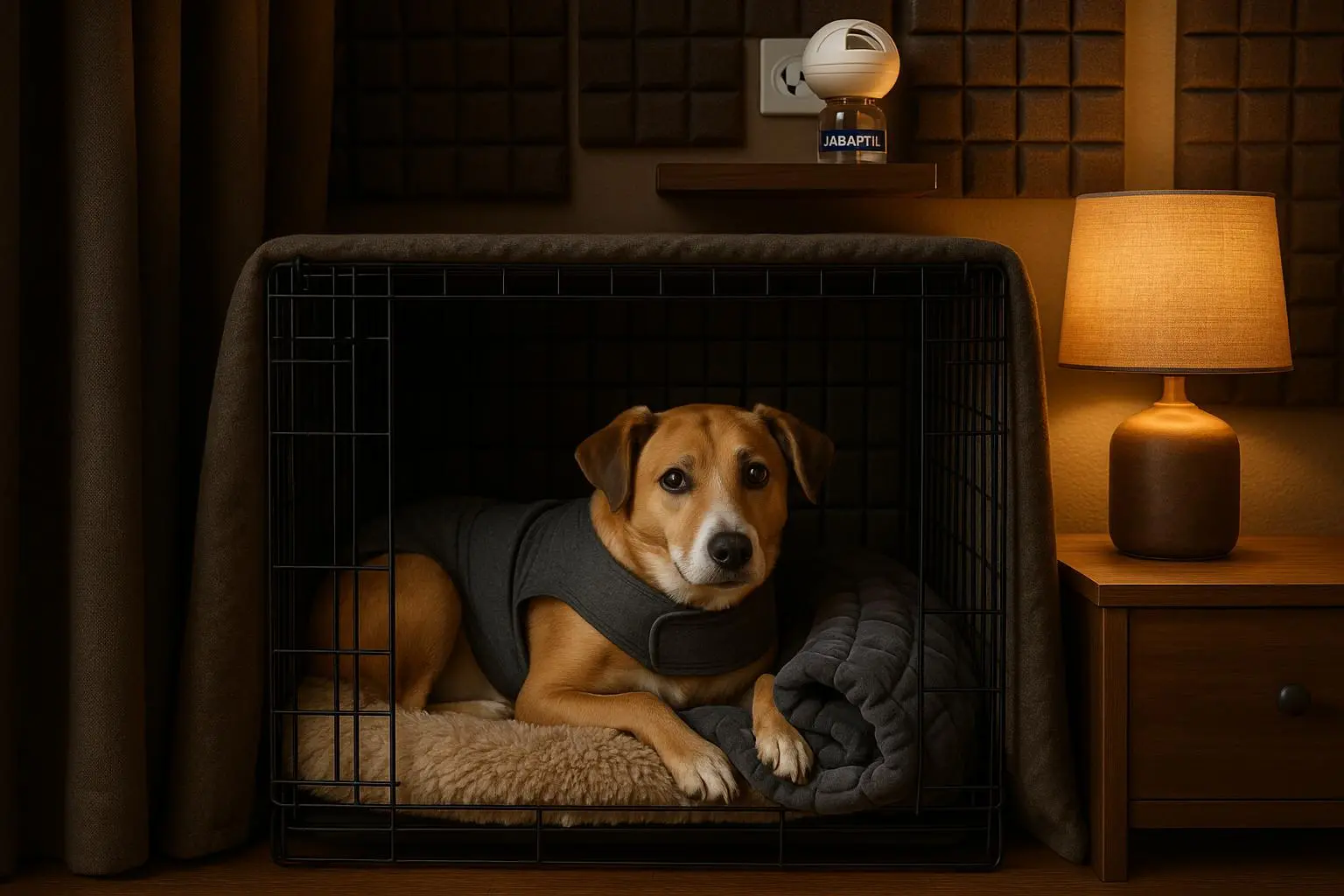
A micro-moment that stuck with me: I found a heavy blanket in the laundry closet, folded it into a thick cover, and draped it over the den like a cocoon. The touch of heavy fabric against the air, the sense of enclosure, and the hush it created around Luna’s sleeping area made a tangible difference—she breathed deeper, settled, and finally closed her eyes as thunder rumbled outside. A small detail, but a reminder that the texture and feel of the space matter more than the price tag of gadgets.
If you’re ready to create a Thunder & Fireworks Den, here’s how I approach it—step by practical step, with real-world tweaks that actually work.
Why a dedicated den matters (even if your dog isn’t “that” anxious)
Think of this den as a shelter for the nervous system. Dogs don’t think, “This is a safe space.” They feel: enclosed, quiet, predictable. The den gives them a boundary, a place that signals “it’s okay to relax.” It’s not about punishment or ignoring the fear; it’s about safety cues that stop spirals of stress from spiraling too far.
There’s real science behind this. When dogs experience predictable sensory input (sound, touch, scent) in a calm context, stress hormones can be dampened and recovery can be faster. It’s not a magic wand, but it’s a reliable, low-cost approach that you can customize to your pup. And the best part? You can set it up in a few hours with items you already own or can borrow from around the house.
I’ve seen this work with terriers, retrievers, and mixed-breed dogs. The common thread is: a space that they can retreat to, that blocks a portion of the outside world, and that you’ve connected with positive experiences.
Now, a quick, practical reality check: you don’t need to reinvent your entire home. You just need to carve out a small, safe zone where sound and light are dampened, and where your dog can feel the outside world recede. It’s about intention, not budget.
Step 1: Choose the right spot (and set it up like you mean it)
The goal is interior, quiet, and easily shielded from windows. Here are good candidates you might already have:
- A walk-in closet that can be cleared of clutter and turned into a cocoon
- A corner under a staircase or in a basement nook
- A spare room with heavy doors and minimal outside noise
What I’ve learned from real setups:
- The closet works best when you can leave the door slightly ajar. If your dog panics about doors closing, you want to avoid a feel of entrapment. A heavy curtain can do the job without making the space feel like a trap.
- A crate corner is efficient for crate-trained dogs. The trick is to treat the den as a sanctuary, not a punishment zone. If you drape a thick covering over the crate, ensure there’s still airflow and visibility enough to avoid claustrophobia.
A personal note on setup: I first built a den in a walk-in closet with a narrow opening. I added a soft blanket, a familiar bed, and a couple of noise-absorbing blankets along the walls. The first night, Luna still trembled at thunder, but by the second, she edged closer to the den and laid down. By the third, she slept through a moderate storm. It wasn’t perfect, but it was progress you could measure.
30-60 second aside: A line I kept in mind while building was, “If it’s not cozy, it’s not a retreat.” I swapped out a plain bed for a memory foam mat, added a weighted blanket inside the den, and suddenly the space felt more like a den and less like a storage shelf.
Step 2: Sound management that actually moves the needle
Noise is the enemy here. The den’s value comes from reducing both auditory input and visual stress.
What to do, practically:
- Use mass to dampen sound: heavy blankets, quilts, and even old moving blankets on the interior walls soak up the racket.
- Seal gaps around doors and vents with weather stripping or rolled towels to keep outside noise from sneaking in.
- Create a visual calm: dim lighting or a light that stays low, and ensure the den area isn’t directly catching bright flashes from windows. If it’s a crate, opaque coverings help; if it’s a closet, consider a blackout curtain or door panel.
A clinician’s tip that helps me: low-frequency rumbles travel farther than sharp pops. Blunting both helps, but white noise that’s designed for dogs can fill the auditory gaps better than a TV on mute. There’s something soothing about a consistent hum that masks sudden spikes.
Important caveat I’ve learned from pet pros: white noise and calming playlists aren’t a cure-all. They’re a tool that reduces spikes in arousal, especially when paired with a secure space and predictable routines.
30-60 second aside: I’m partial to an old-fashioned fan on a low setting, which doubles as a gentle breeze and a noise masker. It’s not fancy, but it’s predictable, and dogs tend to respond well to predictable stimuli.
Step 3: Make it cozy, familiar, and emotionally soothing
The comfort inside the den matters as much as the walls do.
What to include:
- Familiar bedding: your dog’s usual bed or blanket. The scent anchors safety.
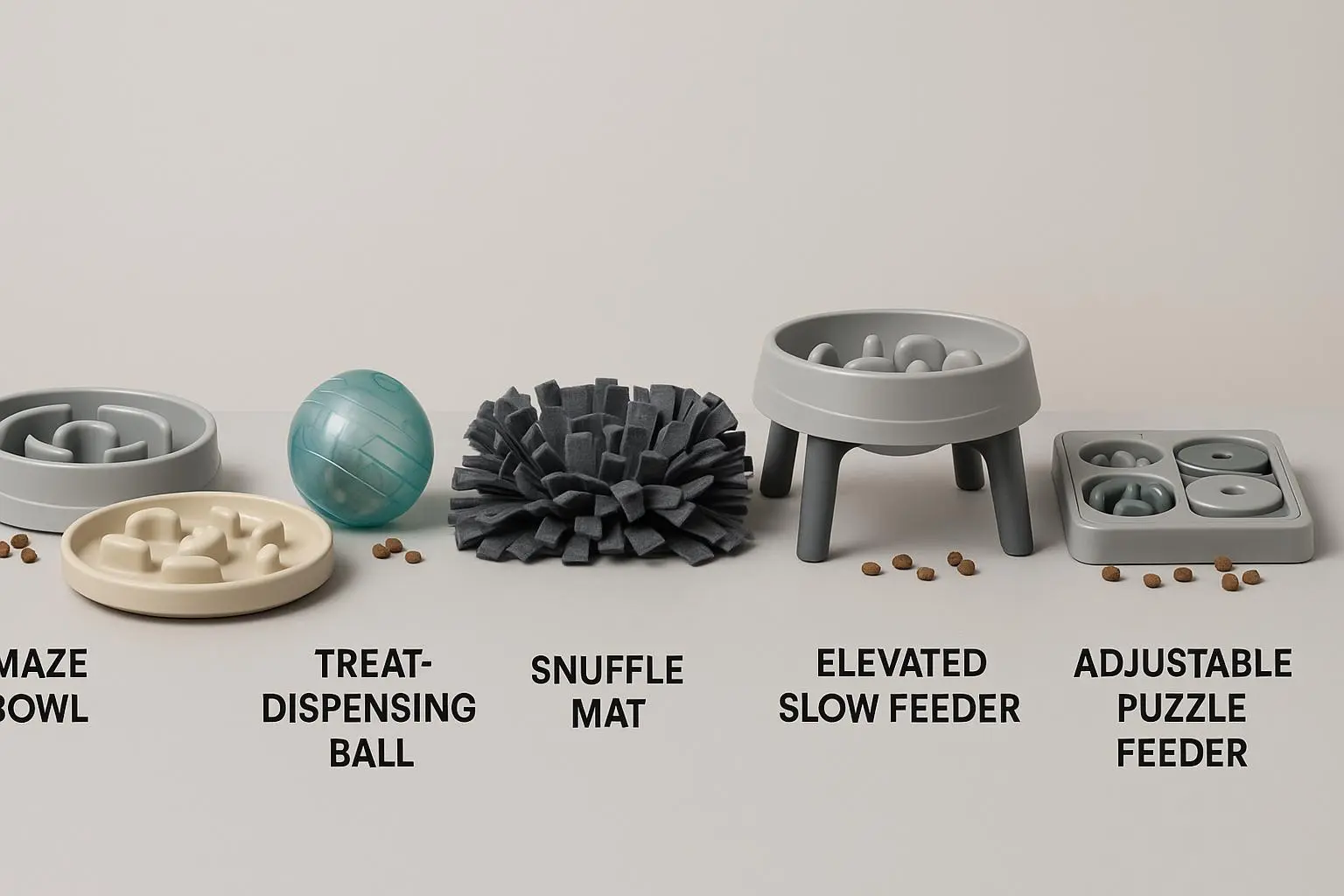
- Comfort toys: a stuffed Kong, a chew toy, or a puzzle feeder that can offer a positive distraction.
- A piece of your clothing: your scent can be a powerful reassurance during scary moments.
And a micro-detail that can matter: placing your dog’s favorite blanket near your own clothing can translate your presence into a calmer vibe even when you’re not in the room. It’s small, but scent-based reassurance compounds over time.
One practical tip: rotate a single “den toy” that your dog only gets inside the den. The predictability of the toy’s location helps morale and reduces the fear response when the world outside goes loud.
Step 4: Pressure wraps and tactile calm
Pressure therapy is a favorite tool for many dog owners—and it’s surprisingly accessible at home.
- The Thundershirt or anxiety wrap is a common choice, but you can replicate the effect with a snug blanket over your dog while they lie down. It’s not about pinching or restricting; it’s about gentle, even pressure that makes them feel held.
- If your dog tolerates it, consider a heavier blanket placed over the dog’s bed inside the den for a short, supervised period during a storm.
I’ve seen families report that weighted blankets make a noticeable difference. It isn’t a perfect solution for every dog, but for some, the grounding pressure reduces jitteriness during the loudest moments.
A quick caution: start slowly. Let your dog get used to the snug feeling when everything is calm, so it’s not a brand-new stressor during noise storms.
Step 5: Scent and pheromones—calm in a bottle (with caveats)
Scent cues can be powerful, especially when you pair them with positive experiences in the den.
- A dog-appeasing pheromone diffuser (DAP) can be placed near the den to signal safety.
- A small amount of dog-safe scent is sometimes used, but never apply essential oils directly on or near a dog. Many essential oils are toxic, and dogs have a keener sense of smell that can backfire.
What I’ve learned from researchers and practitioners: pheromones can help reduce stress behaviors, particularly when combined with predictable routines and environmental control. They’re not magic; they’re a helpful layer, especially when you’re building a long-term habit of retreat time.
A note from a veterinary guide: if you’re considering aromatherapy, always check with your vet first, especially if your dog has respiratory issues or skin sensitivities.
Step 6: The Emergency-Night Kit (the “Den Kit”)
Preparation beats panic. Keep a compact kit right by the den so you can deploy fast.
What to pack:
- Cozy bedding and at least one familiar toy
- A water bowl and a quick snack or high-value treat
- The pressure wrap option (or a Thundershirt) if you use one
- A calming diffuser (or a small diffuser bottle) and a backup diffuser if you rely on it
- A noise machine or a strong calming playlist queued up
- Leash and collar in case you need to move your dog quickly
One recurring insight from the field: don’t wait for the storm to start building your routine. Introduce the den when there’s no anxiety brewing—reward exploration, reward calm, and make the den a place your dog wants to go to, not a place they’re forced into when things go loud.
I’ve seen a family leave the den out and ready, with a high-value treat waiting inside on ordinary evenings. It created a positive association so that when the sirens and bangs began, their dog walked straight to the den rather than fleeing to a corner of the house.
A real-world aside that helps many readers: practice sessions matter. A five- or ten-minute calm session in the den each day (with treats) builds a routine that translates into quieter mornings during storms.
Step 7: Long-range integration (habit-building that sticks)
This isn’t about a one-off fix. It’s about building a habit that your dog expects and seeks out when stress spikes.
- Do a 5–10 minute “calm in the den” routine daily. Treats, soft talk, and a little quiet time help the brain learn: this space equals relief.
- Introduce the den gradually during calm days. Let your dog sniff around and come in on their own terms.
- Keep the den interior dynamic. Swap blankets or toys every now and then so it remains a place the dog finds engaging, not familiar to the point of boredom.
- Pair the den with training cues. A simple “settle” cue when you bring your dog into the space can reinforce calm behavior over time.
From a clinician’s lens, consistency is the backbone of environmental management. If you can keep the den’s use predictable, you’ll see a higher success rate during storms. And if fear storms become more intense or frequent, talk to your veterinarian. A kennel-style forward approach with behavioral training or, in some cases, pharmacological support can be appropriate as part of a broader plan.
Real stories from the field (three quick snapshots)
- A terrier mix named Milo lived near a busy highway. His family converted a small closet into a den with dense blankets, a light-dimming curtain, and a nightly “soft music” playlist. Over four weeks, Milo began retreating to his den a full minute before the first thunder roll appeared on the radar, and his owner could close the door without him panicking. It wasn’t perfect, but it was progress that reduced nightly wake-ups from four to zero in a month.
- A family with a thunderstorm-heavy climate adapted a crate-nook into a den by draping three heavy moving blankets over the top and sides. They reported a noticeable drop in ambient noise inside the den and a calmer dog during storms. The crate remained their go-to space, and the dog quickly learned the den was a sanctuary rather than a punishment box.
- A veterinary tech shared how low-frequency sounds could travel far. They used a white-noise machine and a dog-specific calming playlist along with a closed den. The result: the dog’s heart rate and looking-relaxed behaviors during thunderstorms improved by roughly 20% in monitored sessions.
These anecdotes aren’t fables. They’re parables in miniature about how small, consistent adjustments create big shifts in behavior.
Quick recap: the core moves that actually work
- Pick a calm, interior spot and treat it with intention (curtains, closable doors, or drapes).
- Damp the sound with heavy blankets, sealed gaps, and a quiet, low-visual-stimulus environment.
- Make it cozy with familiar bedding, a favorite toy, and a scent anchor.
- Introduce gentle pressure therapy and consider pheromones as a supportive layer.
- Build a compact, ready-to-deploy Den Kit for storms and fireworks.
- Practice calm time in the den regularly to instill a long-term positive association.
If you’re starting from zero, you can have a workable den in a few hours. It won’t be a magic wand for every dog, but it will be a reliable haven that you can count on when the world outside goes loud.
A few practical variations you can try
- For apartment dwellers: focus on window treatments and heavy drapes, plus a compact, sound-absorbing panel system you can mount on the interior of a closet wall. Every decibel you shave buys your dog a calmer moment.
- For large homes: consider a dedicated “storm room” that’s a small, enclosed annex space. The more you can physically separate the den from living areas with solid walls and a door, the better the noise isolation you’ll get.
- For dogs who resist covered spaces: start with a semi-open den, gradually adding more coverings as your dog learns to see the den as a safe retreat rather than a coffin.
What I’d tell a friend who’s new to this
Start small, and it’s okay to fail a few times. The aim isn’t perfection—it’s predictability. The more your dog learns that the den is a sanctuary, the less the storm takes over. You’ll still hear the pops and booms, but your dog will stay present, anchored, and able to ride out the noise with you by their side.
If you want to go deeper, consider building a longer-term plan with a veterinary behaviorist, especially for dogs with severe fears or self-destructive behaviors during storms. Environmental management is the foundation; pharmacological support is a lane you explore only if necessary and in partnership with a vet.
And if you’re in a hurry, here’s a practical one-night setup: clear a corner in a closet, lay down a thick blanket, place the dog bed on top, drape a second blanket over the top, add a familiar toy, and set a white-noise playlist to a comfortable volume. Sit with your dog for five minutes, then step away. Do this a few times in the weeks leading up to known noise events. Small, calm steps count.