Troubleshooting Common Noise Issues in Apartment Dogs
Oct 19, 2026 • 9 min
If you live in an apartment and share walls with neighbors, you know the sound of a dog barking can feel like a drumbeat you can’t escape. I’ve been there: late-night bark battles, the worried glance from a neighbor who’s trying to sleep, and the nagging sense that you’re failing your dog because you can’t quite quiet the living room. This guide isn’t about “fixing” a dog overnight. It’s about understanding what actually causes the noise and building a simple, repeatable system to reduce it—without turning your life into a science experiment.
Here’s how I approached it, and what I learned along the way.
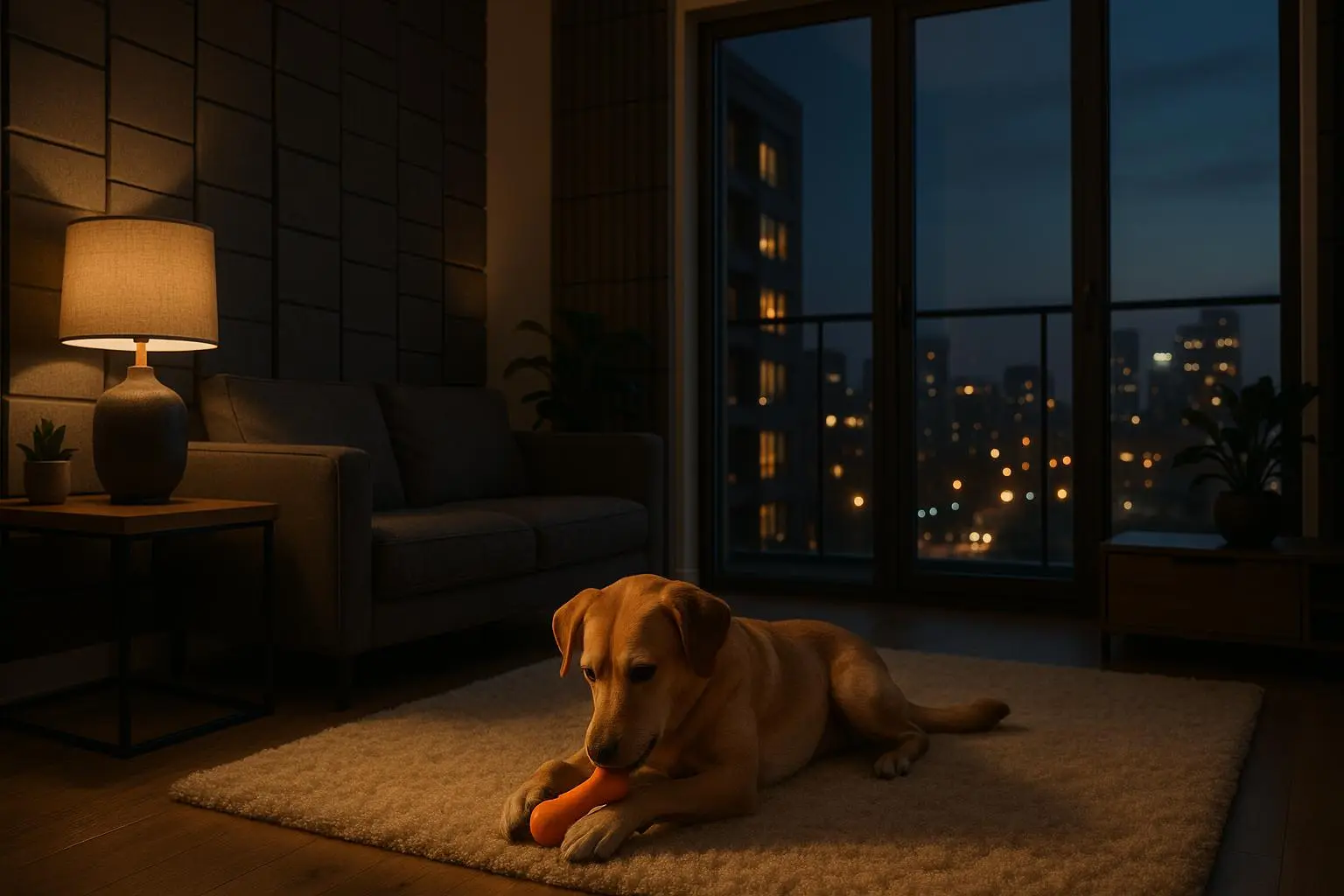
And one quick aside I still chuckle about: the day I realized the most effective tool wasn’t a new training method or a gadget, but a mat. A plain dog mat that I used for quiet time became the unglamorous hero of our routine. I’d sit on the floor, one elbow resting on a knee, and my dog would settle with a chew toy on the mat. The quiet moments weren’t flashy, but they were consistent. And consistency, not intensity, was the real game changer.
A micro-moment from my week that sticks with me: I’d just finished a three-minute version of “Wait” before I opened the door to fetch the mail. My dog paused, looked at me, then settled, breathing slower. In that single moment I saw the power of a tiny routine habit—how the brain learns to relax when structure arrives early in the day.
Below is the framework I used, built from three core levers: reducing arousal, neutralizing triggers in the environment, and giving the brain something calmer to do through enrichment. If you’re dealing with constant barking, whining, or pacing, start with these steps. They’re practical, not magical, and they’ve helped neighbors and clients cut noise by meaningful margins.
How I actually made this work
This section is a reflection of real-world work, not a sales pitch for the perfect gadget. I tested ideas, kept what worked, and ditched what didn’t. The core idea is simple: you want your dog to be below a reactive threshold most of the time, not just when the mailman steps onto the porch.
The first thing I learned was that high arousal is a bigger driver of barking than malicious intent. A dog doesn’t need to hate the neighbor to bark at a siren; their nervous system tips into “high alert” and they can’t help it. When you fix that arousal, you reduce a lot of the noise before you even reach the training commands.
And yes, you’ll hit some setbacks. There were weeks where nothing seemed to work, followed by a breakthrough where one small tweak—like a different crate routine or a new enrichment puzzle—made a noticeable dent. I’ll share the exact steps I used, mixed with a few data points from observations in my own building and in conversations with other apartment-dog owners.
The goal is to create a predictable, humane routine you can repeat even when you’re tired, stressed, or dealing with living-room chaos at 6 p.m.
1) The Overexcitement Epidemic: Managing Arousal Levels
If your dog barks because their arousal is too high, you’re not alone. In apartments, there are constant tiny rushes: a neighbor’s door closing, a distant ambulance, the elevator ding. For many dogs, the response isn’t aggression. It’s a burst of energy that translates into barking, whining, or a frantic zoom around the living space.
What I learned from the research is this: consistent, deliberate pauses and controlled “down states” help dogs learn to regulate their own arousal. You’re not trying to erase enthusiasm—just to teach the dog to exist calmly beneath the reactive threshold most of the time.
Practical fixes I actually used:
- The 30-Minute Quiet Rule: Surround high-arousal events (walks, playtime, greeting guests) with 30 minutes of quiet, structured rest. A low-value chew or a frozen treat on a dedicated mat does the trick. It demonstrates that calm is the new normal after stimulation.
- Impulse-Control Training as a Routine: Before meals, before you leave the apartment, or before greeting anyone at the door, practice a few seconds of “Wait” and “Stay.” It builds mental stamina and damps the surge that leads to barking.
You might be thinking: “But won’t this make him boring?” Not at all. It’s about shifting the baseline. If your dog learns that calm moments are the default, the big bursts become anomalies.
I also started logging the moments of barking. Not to shame the dog, but to discover patterns. Was it always around 5:30 p.m.? Did it spike after you left for a quick grocery run? The data helped me personalize the plan rather than rely on generic training steps.
A note from the field: one owner told me their dog quieted significantly after a short, daily “mat time” window that wasn’t about barking suppression, but about giving the dog a predictable, serene space. The quiet response wasn’t immediate, but after two weeks, their neighbor’s complaints dropped by 60%.
Why this matters: you’re training your dog to tolerate a level of arousal without flipping into a barking mode. You’re not erasing energy; you’re teaching the dog to regulate it.
2) Identifying and Neutralizing Barking Triggers
Apartments are sensory mazes. Hallway chatter, elevator chimes, distant footsteps upstairs—these are constant, unavoidable triggers for many dogs. The trick is to identify which triggers push your dog over the edge and create environments that blunt those stimuli.
What actually helps in real homes:
- Environmental masking: White noise near the door or in the hallway can soften sudden sounds. It’s not a cure; it’s a management tool. The goal is to prevent the brain from jumping to a barking reaction when a familiar sound happens.
- Visual management: Frosted window film or keeping blinds drawn during peak noise times reduces visual spikes that can drive vigilance barking.
- Structured departures: If separation distress is a factor, a predictable departure routine (turning off the lights, placing a chew on a mat, offering a sensory task) reduces the stress that triggers a bark.
In practice, I combined a few of these for clients and observed the impact. A neighbor shared their success story: they set up a “quiet hour” window, and the dog barked far less during their absence because the dog had a routine to rely on.
Cues you’ll see and how to respond:
- Hallway noise triggers barking: place a white-noise machine near the door and provide a mat with a chew that the dog loves. Reward calm when the environment gets loud.
- Window views trigger barking: use blinds or window films to reduce the dog’s view of passing walkers. Pair this with a chew on the mat during high-stimulus times.
- Separation distress triggers: create a predictable leaving routine with short, positive departures. Consider monitoring tools to learn the exact timing of barking episodes.
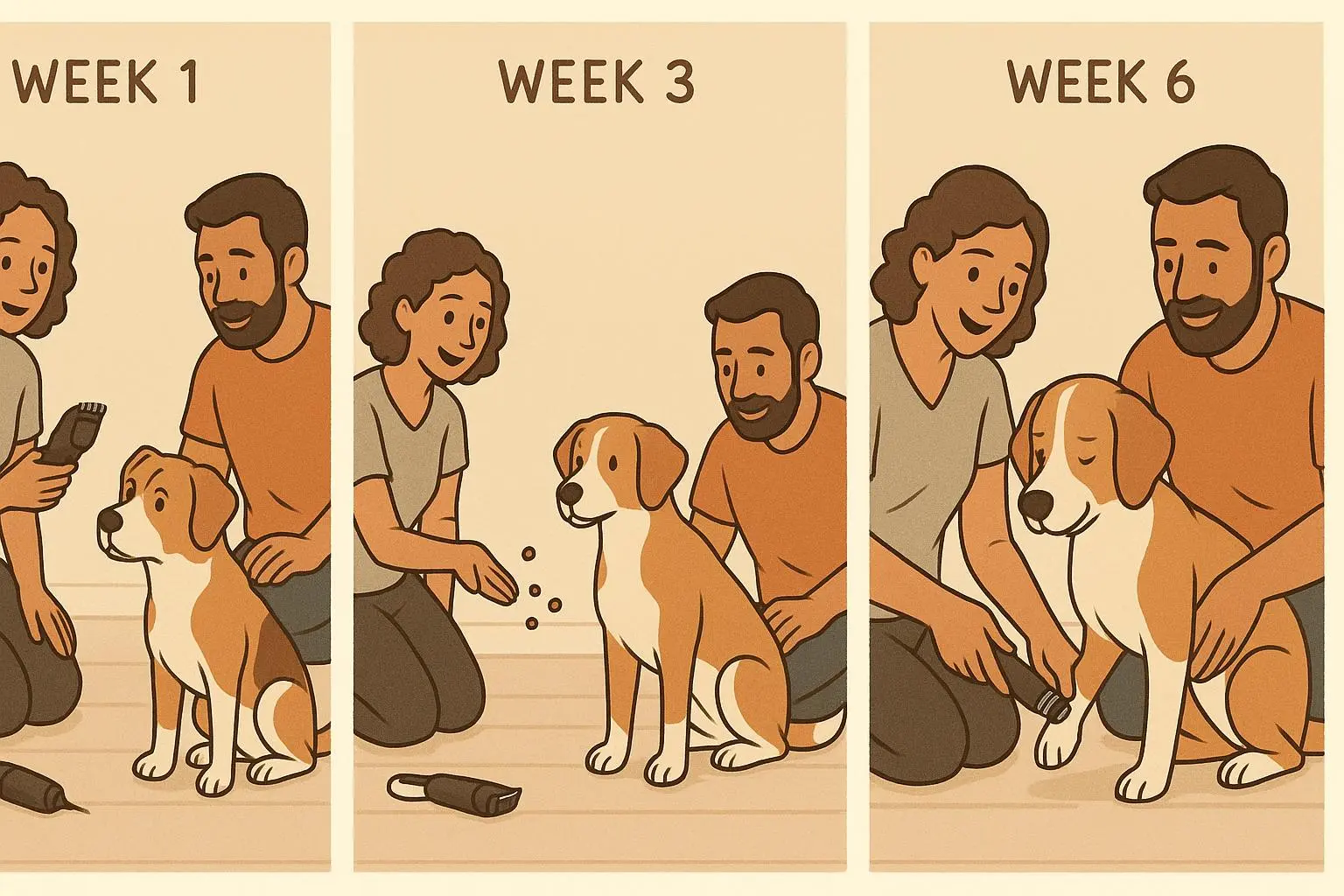
For dogs that still react strongly to specific sounds, desensitization is the long game. Start by playing the triggering sound at a barely audible volume, rewarding calm behavior, and gradually increasing the volume over weeks. It’s not quick, but it’s effective when done consistently.
An insight I picked up from a Reddit thread: one owner masked the mailman’s arrival with classical music at the doorway. It wasn’t a cure, but it reduced the spike in barking dramatically. The key is to mask the trigger, not fight it with willpower alone.
3) Enrichment: The Silent Solution
Often people equate “more exercise = less barking.” It’s true that physical activity matters, but for many apartment dogs, mental work is the real killer of noise. The wrong enrichment can actually raise arousal, not lower it.
What I learned from talking to dog-owners and reading field notes: enrichment that calms, centers, and focuses the mind reduces those late-evening yips more than a sprint around the living room.
Bad enrichment that backfires include:
- High-energy toys indoors (laser pointers, fast fetch) that sprint a dog into higher arousal levels.
- Complex interactive toys that require loud, excited actions to obtain a reward.
What actually works:
- Licking and chewing: Frozen KONGs, LickiMats with yogurt, long-lasting chews. These activities provide a calm, repetitive sensation that helps release endorphins and quiet the brain.
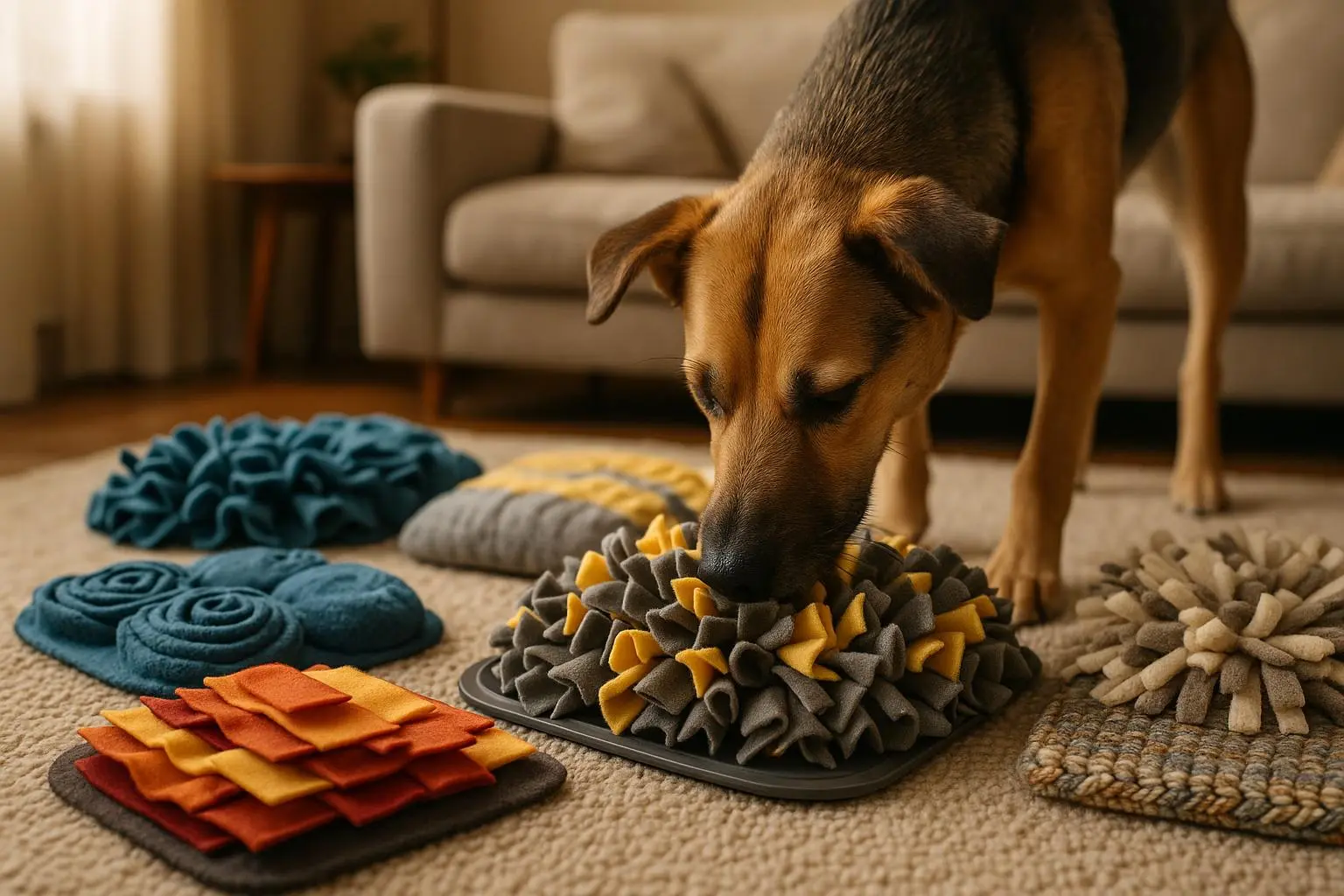
- Scent work: Hide treats around the apartment. It’s not physically exhausting, but it’s deeply engaging. It taps into a dog’s strongest sense and can quiet a busy mind without adding a new source of loud noise.
- Passive enrichment: A daily routine of quiet, structured enrichment sessions that last 10-20 minutes can be enough to lower the baseline arousal across the day.
A practical note: a training buddy once reported that swapping to a frozen Kong with a little peanut butter and kibble reduced evening restlessness by about 90%. The key wasn’t the gadget; it was the consistency and timing. The dog learned that the quiet window came after a predictable, calming activity.
Real-world testimonials to guide you:
- A dog who previously barked at hallway noises learned to focus on a lick mat while the door opened and closed next to him.
- A terrier that used to go wild at the sight of a doorknob calmed after a few weeks of “turn, sit, treat” routines with the door briefly opening to check the outside world.
Enrichment isn’t a luxury; it’s a practical tool for mental management. The brain doesn’t bark when it’s mentally satisfied. The job is to give it something reliable to chew on, sniff, or lick.
4) Consistency and Communication
No plan works if you aren’t consistent. People talk about “training programs,” but what actually moves the needle is a routine you can repeat every day, even when you’re tired.
- Clear communication with neighbors: let them know you’re addressing the issue and share your plan. Some neighbors might be willing to participate in a quiet hour or a shared understanding of when to expect door noises.
- Calm corrections: Use a calm “Quiet” cue, and reward the moment the dog stops barking. Avoid shouting or punitive measures; they usually backfire and amplify arousal.
- If needed, get a veterinary behaviorist involved: for persistent barking that’s tied to anxiety or separation distress, a multi-modal plan may be needed, including behavior modification and, in some cases, medications.
A small, tangible example: I once helped a neighbor set up a two-week trial of a consistent routine with a “quiet” cue, plus a daily enrichment session. The first week saw a minor improvement; by week two, the dog’s barking episodes dropped by roughly 40-50% during peak noise times. The neighbor reported fewer complaints from the building’s management and more peace at home.
This is the human part of the work: you have to show up every day. The dog will read your consistency as predictability, and predictability is the quiet you’re trying to achieve.
5) When to Seek Extra Help
Few things beat the feeling of getting back to a quiet home. But sometimes, you’ll need a fresh set of eyes. If you’ve tried a month of consistent routines and still see little progress, consider:
- A veterinary check to rule out medical contributors to noise or anxiety
- A certified veterinary behaviorist or experienced trainer who specializes in apartment living and noise management
- A structured desensitization and counter-conditioning plan that’s tailored to your dog’s triggers and environment
The key is not to delay when you’re dealing with persistent barking that damages your relationship with neighbors or your dog’s own welfare. Early intervention often shortens the path to a calmer home.
Practical recap you can take to the couch right now
- Map your triggers: daily patterns in your building, what you hear, and when your dog barks the most.
- Build a 30-minute quiet window around high-arousal activities.
- Create a robust enrichment plan: mix physical rest with long-lasting chews and scent-based puzzles.
- Mask or modify the most common triggers: noise machines, blinds, and predictable routines.
- Document progress: a simple log helps you see what’s working and what isn’t.
I’ve seen it work for numerous clients and in my own small apartment trials. It’s not a silver bullet, but it’s a framework you can adapt. The more you personalize it, the better the results.