TinyWedding Troubleshooting: Fix Micro-Wedding Budget Mistakes
Aug 10, 2026 • 8 min
A tiny wedding sounds simple on paper: fewer guests, less stress, lower costs. But “tiny” doesn’t always mean cheap. I’ve seen couples cut their guest list by 80% and still end up paying more per person than their friends who threw a 200-person reception.
This guide is for those of you who want a small, intentional day without surprise bills. I’ll walk through the three budget potholes couples hit most often—hidden fees, guest list creep, and vendor miscommunication—and give practical fixes you can apply today using TinyWedding-style tools (budget sheets, guest managers, and centralized communication).
Let’s get it tidy.
Why micro-weddings still blow budgets
Here’s the short version: per-person costs can rise when you scale down, vendors apply minimums or flat fees, and family dynamics add guests. Add one misunderstood contract clause, and that cozy brunch becomes a $5k surprise.
A few numbers to anchor this: many venues charge a catering minimum or per-person staffing cost that doesn’t scale linearly. That means dropping from 150 to 30 guests might cut total cost, but per-head spend often goes up 20–40%. Hidden charges—cleaning, security, coordinator fees—can add another 10–20% unless you lock them down.
So yes, smaller can be cheaper. But only if you plan like the event is still a project.
Pitfall 1: Hidden fees that sneak up at the last minute
Hidden fees are the classic “it wasn’t in the quote” problem. They’re boring, avoidable, and responsible for more headaches than bad weather.
Common examples:
- Corkage fees and cake-cutting charges
- Cleaning, security, and trash removal fees
- Overtime rates and late-night staffing
- Setup/teardown or venue coordinator charges
- Gratuities or mandatory service fees
Here’s the fix—practical and immediate.
Demand itemized quotes Ask every vendor for a line-by-line quote. No lump sums. I’ll repeat: no lump sums. If your venue gives you one number labeled “event fee,” ask them to break it into rent, staffing, cleaning, and permits.
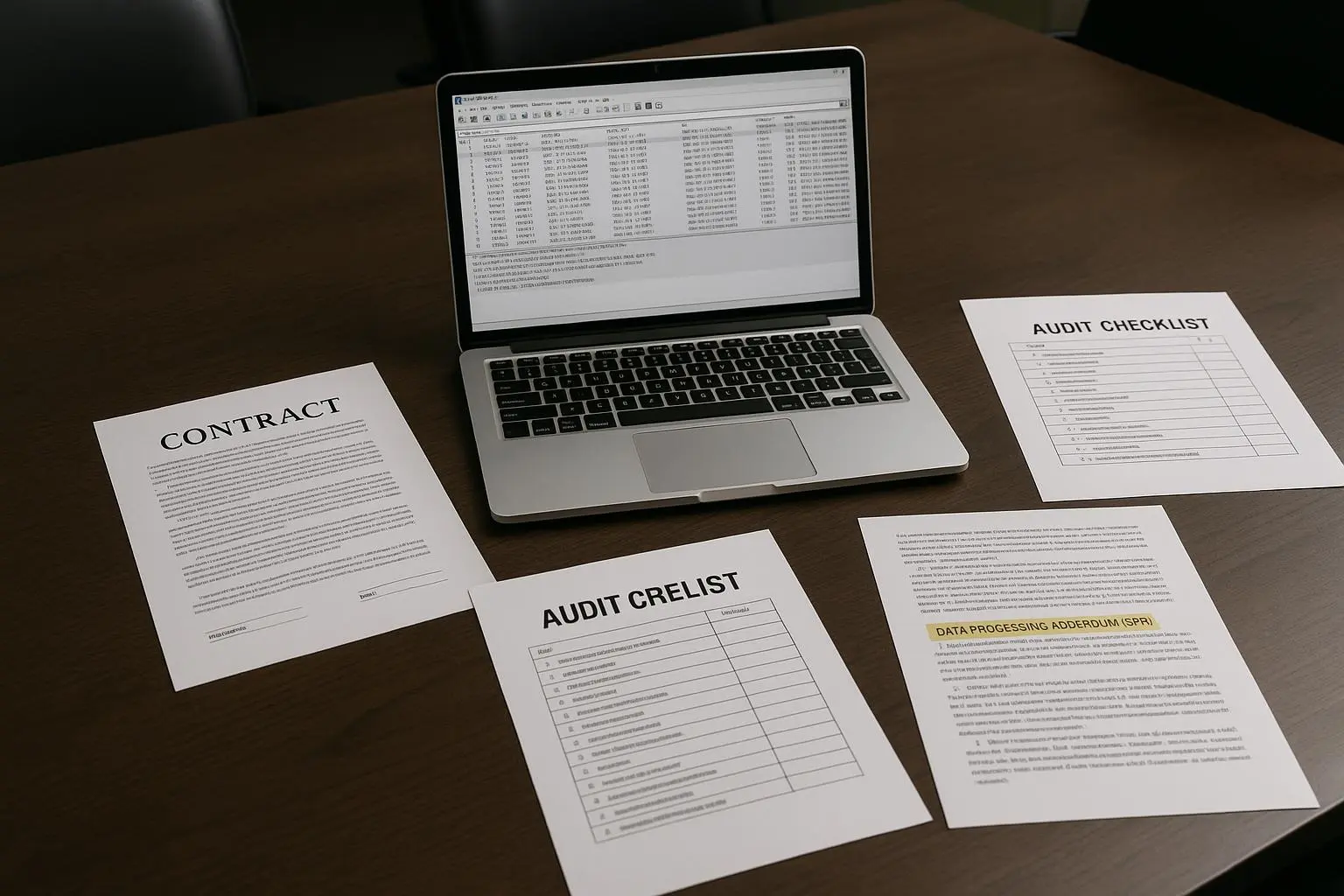
Read the contract twice, then ask questions Look for words like “additional charges,” “minimums,” and “overtime.” If something is ambiguous, ask for it in writing. If they refuse, consider that a red flag.
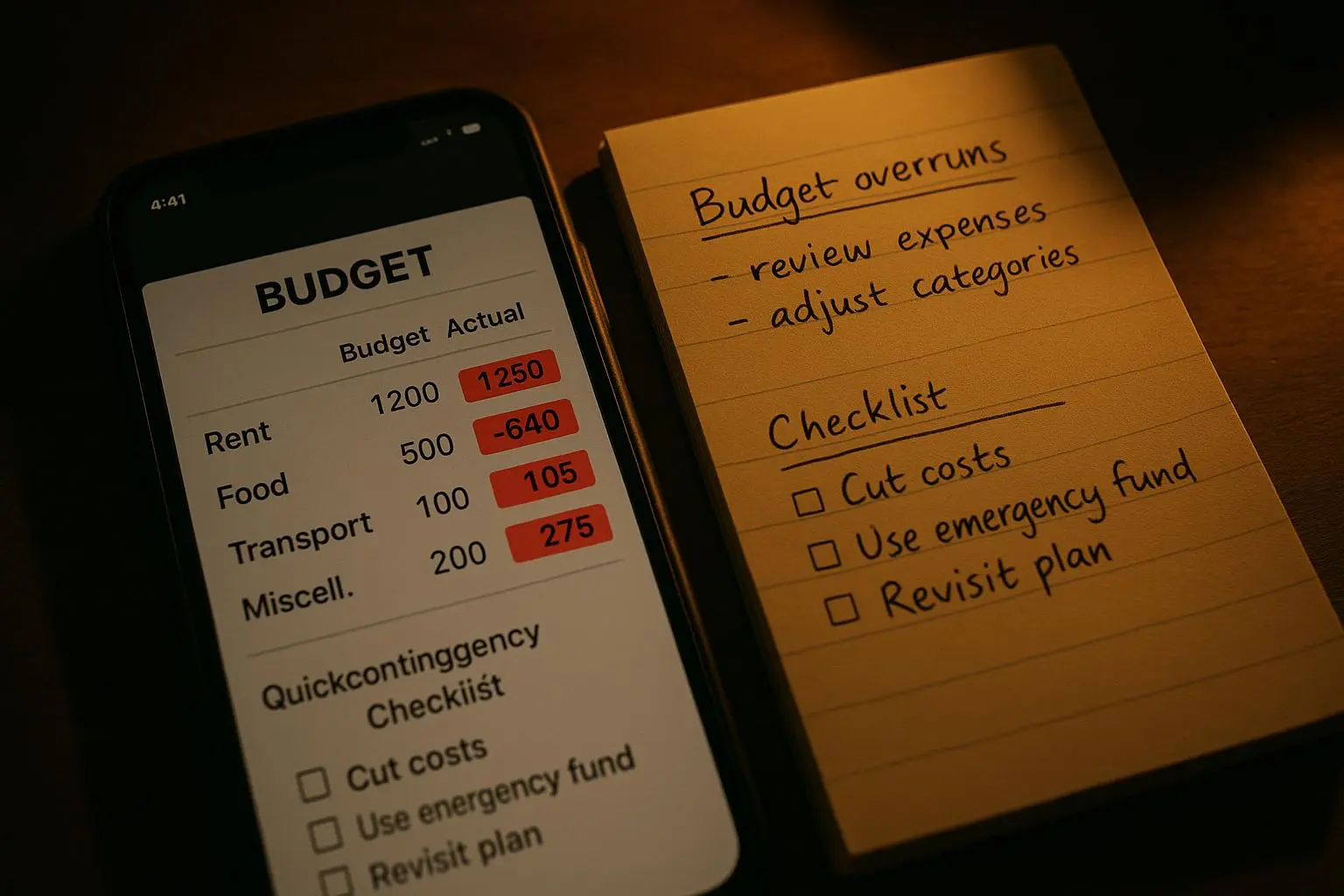
Build a contingency line in your budget Plan a 10–15% contingency specifically for discovered fees. Track it in a TinyWedding Budget Planner sheet category called “vendor extras.” When a new fee appears, you have a place to pull from without panic.
Use TinyWedding budgeting tools A shared spreadsheet or app that maps quotes to actual invoices will save you a lot of late-night reconciliation. Color-code items: green = confirmed, yellow = uncertain, red = disputed. That visual alone caught three hidden charges for one couple I helped—totals dropped by $750 once we pushed back.
Micro-moment: one couple found a $200 “damage deposit” on the final invoice. It wasn’t refundable, it wasn’t listed, and the venue said “it’s standard.” We got it waived after a written request and proof of renter history. Small ask, big win.
Pitfall 2: Guest list creep (and how it eats your budget)
Guest list creep is emotional. It creeps in with a “Can we?” and becomes a buffet upgrade and chair rental overnight.
You start with 20 guests. Your parents add 5. A cousin invites a plus-one. Suddenly you’re at 40, and the caloric math turns into an extra $1,500–$4,000 depending on catering and rentals.
Here’s how to stop it without becoming the villain.
Define your “why” and be relentless What kind of day are you having? If intimacy is your reason, say so. Reiterate it. People are more likely to respect a boundary when they understand it.
Set firm rules early Decide plus-one policies, whether children are allowed, and a hard guest count. Put those rules in your invites and RSVP pages.
Communicate early and kindly Email close family before you finalize invites. Tell them the headcount is locked and explain alternatives—post-wedding parties, livestreams, or a dessert night with extended family.
Use a digital guest manager TinyWedding-style guest tools let you assign guest counts to invitations. You can restrict plus-ones automatically and create a waitlist or “B-list.” When my sister planned a 30-person vow renewal, the RSVP tool prevented accidental +1s and kept our catering headcount accurate within two people—saving us $400 in last-minute catering add-ons.
Quick, practical boundary example: say “We’re keeping the ceremony intimate (30 guests). We’ll host a backyard BBQ next month for anyone we can’t accommodate.” That one sentence defuses guilt and gives people a plan.
Pitfall 3: Vendor miscommunication that becomes an expensive lesson
Vendors are professionals, but assumptions happen. A casual comment can be read as permission. A timeline tweak offhanded at dinner becomes an extra hour of photography. And suddenly you’re paying $150/hour for a misunderstanding.
Here’s how to minimize that risk.
Centralize communication Pick one point person for each vendor. If you’re doing it yourselves, choose one partner to handle logistics. If you have a planner, let them be the single voice vendors respond to.
Put everything in writing Follow up calls with a short email: “Per our call today, you’ll provide X, Y, and Z. We’ll confirm final headcount by [date].” That email becomes gold if there’s a dispute.
Create a detailed timeline and shot list Give the photographer a minute-by-minute timeline and a list of must-have shots. That avoids last-minute coverage extensions. For all vendors, include arrival, setup, teardown, and contingency plans for delays.
Use shared collaboration tools A shared Google Doc or Trello board with timelines, vendor contacts, and version history keeps everyone aligned. Grant vendors view or comment access so they can flag issues early.
Real example: a couple I helped booked a photographer verbally for five hours. The photographer assumed the five hours included travel and setup. The couple assumed setup was extra. Because nothing was documented, they paid an extra $450 to keep the photographer. We now insist on a “scope of hours” clause in the contract: arrival, active time, and teardown spelled out.
How I learned this the hard way (a real story)
When I planned my sister’s intimate backyard wedding, we thought DIY would save money. We cut the guest list from 120 to 36 and assumed costs would fall proportionally. Spoiler: they did not.
We missed a venue permit fee because the county required one for amplified sound over 10 a.m.—$200. We didn’t write down the photographer’s definition of “coverage,” and they billed us for an extra hour after a timeline change—$300. And guest list creep from last-minute family additions forced us to upgrade catering plates and rent five extra chairs—another $450.
What saved us was getting ruthless with documentation and using a single spreadsheet. After that first weekend, I built a tiny budget template: exact vendor quote columns, contract link, payment schedule, and a contingency bucket. We renegotiated the photographer to remove the extra hour fee (they appreciated the polite but firm follow-up email), and the venue refunded the permit fee after we submitted the proper paperwork within 48 hours. Net: we reinvested that $950 into a better florals package and still stayed under the original “emergency” buffer. The lesson was simple: a small event still needs project management.
How to build a micro-wedding budget that works
A realistic budget is a living document. Start with these categories and numbers, then track everything.
Must-have categories:
- Venue flat fees and permits
- Catering per-person (include service and minimums)
- Rentals (chairs, tables, linens)
- Photography/videography
- Officiant and ceremony needs
- Decor and florals
- Attire and hair/makeup
- Transportation (if any)
- Contingency (10–15%)
- Vendor gratuities and service fees
Two practical habits:
- Reconcile invoices weekly. Don’t wait until a bank statement shows an unexpected charge.
- Match quotes to contracts. If a quote contains a line that’s not in the contract, get it added.
Tools that make this painless:
- Google Sheets: shareable, quick formulas, and live updates.
- TinyWedding Budget Planner template: pre-made categories and contingency lines.
- Mint or your favorite finance app: connect cards so you see wedding spending in real time.
Negotiation tips that actually work for small weddings
You don’t have to accept the first number. Vendors expect negotiation, especially for off-peak dates or weekday events.
Try these:
- Ask for a breakdown and request removal of non-essential line items.
- Bundle services (e.g., florist + setup) for a discount.
- Offer flexible scheduling (weekday or off-season discount).
- Compare two estimates and ask one vendor if they can match the other.
A note about DIY: DIY can save money, but it can also cost you time—sometimes a lot of it. Estimate hours and value that time. If a task eats 20 hours of your time, that’s worth paying someone $25–$50/hour to do.
Day-of checks to prevent surprises
On the wedding day, do this shortlist:
- Print or have accessible the final, signed contracts for each vendor.
- Share a 1-page timeline with vendor arrival and teardown windows.
- Have a point person with a copy of the budget and payment schedule.
- Keep a small “day-of” payment envelope for cash tips and small fees.
I once saw a venue refuse to release keys until a $100 security deposit was paid in cash because the contract clause was buried. Having the contract and an envelope ready avoided a meltdown and a taxi trip to the nearest ATM.
When to pull in a pro
If your budget is tight but the logistics are complex—multiple vendors in a remote location, legal permits needed, or high-stakes photography—consider hiring an hourly consultant or partial planner. They cost less than full planning and often save money by negotiating better vendor contracts and spotting hidden fees.
Final checklist: TinyWedding troubleshooting before you sign
- You have itemized quotes from every vendor
- All verbal agreements are confirmed in writing
- Your guest list is locked and digital RSVPs enforce counts
- A contingency of 10–15% is in the budget
- A shared timeline document is live and accessible to vendors
- One point person is assigned for vendor day-of communication
Do these six things and you’ll dodge the usual traps.
The bottom line
A micro-wedding is small in guest count, not in planning complexity. Treat it like a project: document, communicate, and track. Use a shared budget, set firm guest rules, and make vendors show their math. If you do that, you’ll get the intimacy you wanted without the surprise bill.
If you want a starting point, grab a TinyWedding Budget Planner template, set one weekly 30-minute budget-check alarm, and lock your guest list two months before the day. Little actions like those save hundreds to thousands of dollars and, more importantly, a lot of stress.
Good luck. And if your uncle asks “Can I bring a friend?” practice this line: “We’re keeping it intimate—let’s plan a backyard party after the honeymoon.”