Wedding Budget Troubleshooting: Fix Common Planning Mistakes and Hidden Costs
Oct 28, 2026 • 9 min
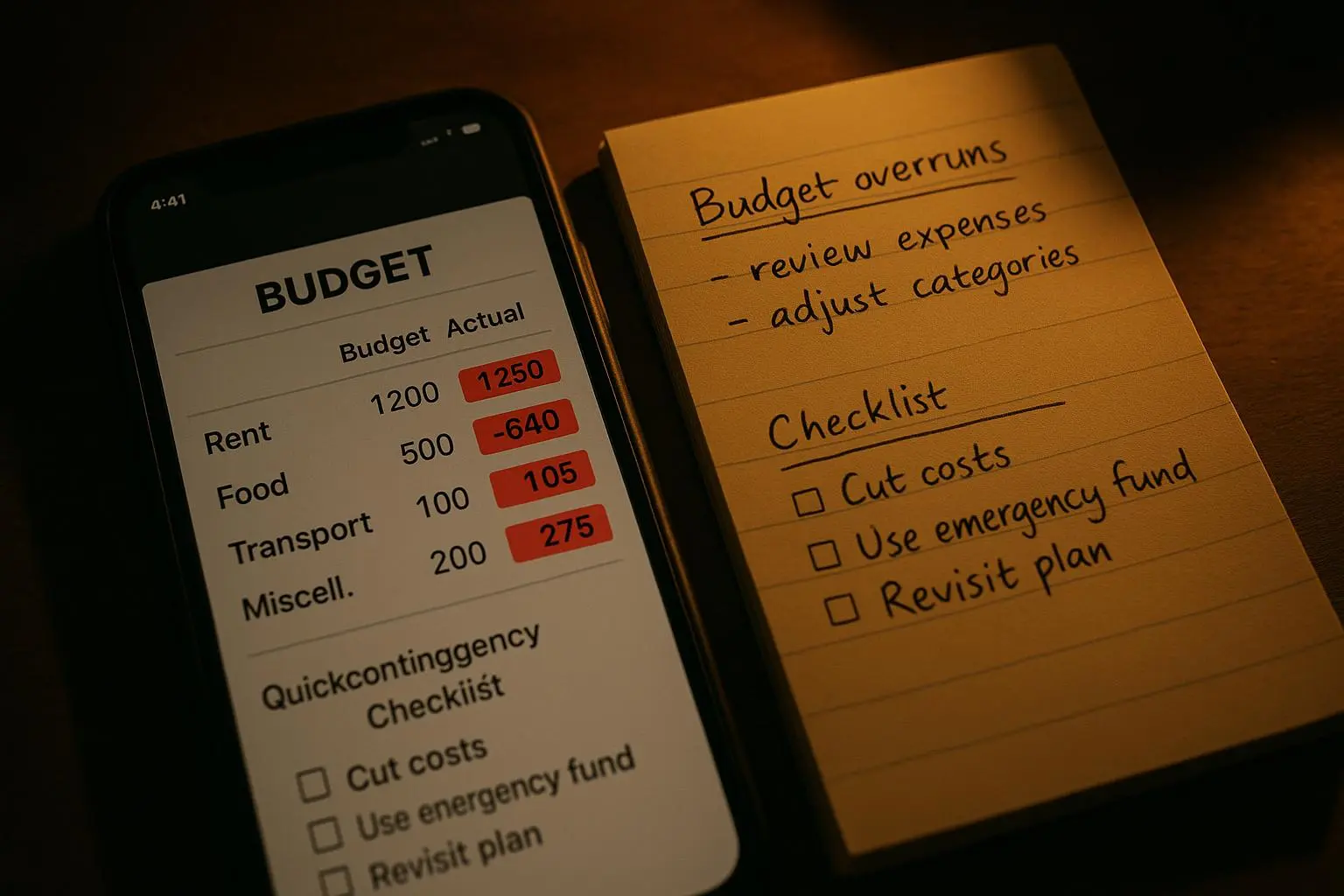
If you’re planning a wedding, you’re probably staring at a spreadsheet that looks more like a crime scene than a budget. Strings of line items, a few too many decimals, and the nagging feeling that something is about to surprise you in the middle of the night. I’ve been there. I’ve watched couples go from “we’ve got this” to “where did all the money go?” in a heartbeat. And I’ve learned a few hard-won lessons you can actually use.
This isn’t a pep talk. It’s a practical map. A few honest stories. And a handful of fixes that actually work when life throws curveballs at wedding day budgets.
Let me start with a quick truth I learned the hard way: a plan that ignores the reality of vendor fees, last-minute changes, and the unpredictable guest list will fail you not because you’re careless, but because you didn’t build slack into the system. You want a day that feels effortless, not a math puzzle you can’t solve.
A quick micro-moment I’ll tuck in here: during my sister’s wedding, we thought we’d cut costs by trimming invitations. Then we discovered the stamps were more expensive than the design. It wasn’t dramatic, just a small detail that added up. It reminded me that tiny friction points—like postage or overtime on a photographer’s hours—often become the silent budget killers. Being aware of the small things is the first step to not being blindsided by big numbers.
Real story, real stakes Last year, a couple I know—call them Jess and Omar—took a confident swing at a “modern, intimate” wedding in a city with high venue costs. They started with a clean $25,000 budget, but they didn’t bake in contingencies for fees and timing. Their venue advertised a base price, but the contract buried service charges, overtime, and an “estimated tax” line that was far from estimated. Then guest count edged up from 90 to 120 as family members invited themselves to celebrate, and catering costs jumped as a result. They found themselves rushing to trim slides for the reception and sacrificing a pre-ceremony music program they’d loved. In the end, they paid a premium for last-minute changes and rushed shipping for save-the-dates. The day was magical, but the budget wasn’t a buffer; it was a rollercoaster. They learned to anchor the budget with a 10% contingency, lock in a realistic guest count early, and demand a full cost breakdown from every vendor. That small adjustment—asking for a line-by-line quote—saved them from the same late-stage scramble that almost compromised their vision.
A quick aside: I’ve negotiated with vendors, and the moment you ask for a transparent breakdown, you can sense a shift. It’s not pushy; it’s practical. And it’s where you start saving real money without sacrificing what matters to you.
Section breakdown: what you’ll actually do
- Understand the budget structure and where the big costs live.
- Identify the six biggest budget pitfalls and how to fix them.
- Build a contingency plan that doesn’t just look good on paper.
- Create a practical, living budget tool you actually use.
How to build a budget that doesn’t betray you
I’ll keep the math tight and the decisions concrete. Here’s the approach I’ve used with couples who wanted to feel taken care of, not overwhelmed.
Understand the budget breakdown (and why it matters)
Before you book anything, you should know where money typically lands. Venues and catering are usually the big two, but don’t ignore the ripple effects of small line items that multiply.
- Venue: Often 40-50% of the total budget, depending on location.
- Catering: Food and beverage, plus service staff and linens.
- Attire and hair/makeup: A gateway cost that can surprise you if alterations or tailoring aren’t in the plan.
- Photography/videography: A long-lasting memory, but the price tag can creep with add-ons.
- Entertainment and decor: From DJs to lighting to florals, these add-ons can shift your vibe—and your total.
Understanding this breakdown isn’t just about knowing where money goes; it’s about knowing where to protect it. If you can keep 70% of your budget to essential gravity items (venue, catering, photography) and hold the rest as a flexible pool, you’ll have more room to adapt when fees pop up.
A real-world example: a couple I worked with initially earmarked 60% for venue and catering, with only a tiny cushion for everything else. When the venue added a mandatory service charge and the caterer bumped a few off-menu items, the rest of the day started to feel cramped. They regrouped, negotiated a package that included some services in-kind, and shifted a bit more to photography for keepsakes. The result: a day that felt expensive but in control, not frantic.
Common budget mistakes and fixes (the hard-won playbook)
Here are the six mistakes I see over and over, with fixes that actually work in real life. No fluff, no platitudes.
- Underestimating vendor costs
- Fix: Get a detailed, line-by-line contract. Ask for a full breakdown of all potential charges (service fees, travel, overtime, gratuities). Build a 5-10% contingency into your total budget to cover the gray areas.
- Real-world takeaway: I’ve seen prices look great until overtime and travel appear on the final bill. The contingency fund is your safety net, plain and simple.
- Guest list creep
- Fix: Lock a hard guest count early and keep it. Consider a tiered approach—close family and closest friends first, then a longer list for a reception if you have room. Use a more cost-efficient meal style (buffet or family-style) to stretch the budget.
- Real-world takeaway: A couple I know trimmed the guest list early, then offered a “plus-one by invitation” policy that kept the main circle tight while still feeling inclusive.
- Ignoring hidden costs
- Fix: Create a detailed checklist for stationery, alterations, vendor meals, taxes, and delivery/shipping. Call vendors to confirm what’s included and what isn’t.
- Real-world takeaway: Postage on invitations devoured a chunk of the budget they hadn’t planned for. It felt small at the start but added up quickly.
- Poor negotiation
- Fix: Do price research, ask for discounts or bundles, and don’t be afraid to walk away. Vendors often have wiggle room, especially for couples who commit to multiple services.
- Real-world takeaway: A florist offered a seasonal design and a discount when the couple asked for a simpler arrangement. It wasn’t a loss of vision; it was a smart trade.
- Timeline overruns
- Fix: Build a realistic planning timeline with concrete deadlines. Book vendors well in advance, anticipate lead times for decor and invitations, and set a hard date for final decisions.
- Real-world takeaway: Delays in ordering invitations forced premium shipping. Planning ahead prevented a rushed, expensive fix.
- No contingency plan
- Fix: Reserve 5-10% of your budget for the unknowns. If you can, set aside a “rainy day” fund for the day itself—like backup florals or a backup guitarist—so a last-minute change doesn’t derail the vibe.
- Real-world takeaway: A last-minute cake-change happened due to a bakery issue. A contingency fund kept us calm and allowed for a quick backup that still felt intentional.
Cost-saving strategies that actually work
If you want to save without feeling like you’re compromising your celebration, try these.
- Prioritize what matters most to you and allocate the lion’s share of your budget there. If you care about photos, invest in a strong photographer and scale back on less meaningful decor.
- DIY strategically. Invitations, signage, or favors can be cost-saving if you know your limits. It’s not a panic move; it’s a deliberate one.
- Be flexible on dates. Off-peak seasons and weekdays can deliver meaningful savings without sacrificing the day you want.
- Look for all-inclusive packages. Some venues wrap in décor, catering, and equipment in a single price, which can be cheaper than piecing things together.
- Trim the guest list with care. Fewer guests mean lower catering, rentals, invites, and cake—without diminishing the sense of your day.
A small story that stuck with me: a couple swapped their flower-heavy centerpiece for greenery and candle clusters. The look was elegant, the vibe intimate, and the cost dropped by a surprising amount. It wasn’t a sacrifice; it was a thoughtful swap that kept the mood.
Staying on track (the practical, boring part that saves you)
- Use a real budget tool. I’m a fan of Google Sheets for its flexibility, but any solid budget tracker works if you keep it updated.
- Schedule monthly check-ins with your partner. Don’t let a day pass without comparing actuals to planned.
- Create a simple “decision window” rule. If a vendor asks for a decision in 24 hours, you get 48 hours to think it through. It’s not about delaying; it’s about clarity.
- Prepare for the unexpected. The contingency fund isn’t a trap; it’s your peace of mind.
And one more micro-moment to remember: a single email that asks for a full cost breakdown can reset expectations. It’s not aggressive. It’s practical. It saves money and reduces stress, which is exactly what you want when you’re trading sleep for joy.
A practical playbook you can follow this week
- Step 1: Build your baseline. List out venue, catering, photography, attire, and music as your core costs. Attach a realistic price range for each.
- Step 2: Add contingencies. Put 5-10% aside for unexpected fees and price shifts.
- Step 3: Audit the guest list. Decide your ceiling and communicate it early to family and friends.
- Step 4: Get line-item quotes. Ask vendors for a complete breakdown and a clear “what’s included.”
- Step 5: Lock in one all-inclusive package if it makes sense, or at least bundle services to maximize value.
- Step 6: Create a decision window. Don’t be pressured into quick changes that derail your plan.
- Step 7: Review weekly. A 15-minute check-in each week keeps you in control.
I’ve seen the exact sequence described here—the calm after a few hard conversations, the relief of a contingency fund, the satisfaction of knowing you’re not letting big numbers run your day. You can do this. You deserve a wedding that feels like “you,” not a budget nightmare.
How to negotiate without feeling icky
- Do your homework. Know typical price ranges for your area and the time of year.
- Be specific. Instead of “Can you do better?” ask for a specific discount or a bundled package.
- Offer something in return. If a vendor reduces price, can you increase your service level with a longer-term commitment or a future referral?
- Be honest but kind. You want a partnership, not a battle.
I once helped a couple negotiate down a venue’s corkage fee by offering a curated list of wine options they’d already prepared, which cut both risk and cost. The venue appreciated the practicality, and the couple walked away with a better overall price and a plan they believed in.
What to do if things derail
- Don’t panic. Step back, re-check the numbers, and identify the single biggest driver of overruns.
- Talk it through with your partner first. You’ll be surprised how often you’re both seeing the same numbers from different angles.
- Use your contingency fund to cover a momentary gap. If you can, renegotiate or replace the most expensive element with a more affordable alternative that still feels like you.
- Reframe. If budget pressure is translating into stress, reframe the day’s priorities. You can still have a stunning day with smaller, smarter moves.
A note on timing and expectations: a wedding is a sum of moments, not a single event. The best budgets price in the ability to adjust the plan as needed, while preserving what makes the day meaningful to you.
The endgame: a budget that works for you and your celebration
Your wedding budget isn’t a spreadsheet that judges you. It’s a plan you use to protect the things you care about—your photos, your vows, your people, your memories.
As you move from “we’ll figure it out” to “we’ve got this,” you’ll notice a shift in your own confidence. You’ll sleep a little easier knowing you have a concrete plan, a contingency cushion, and a set of vendor relationships built on transparency and trust.
If you want a quick, repeatable tool, start with a simple budget template that’s shareable (a Google Sheet) and a one-page contingency plan. It doesn’t have to be fancy to be effective. It has to be honest and actionable.
References and further reading
- The Knot. The Knot 2023 Real Weddings Study. Retrieved from https://www.theknot.com/content/wedding-budget-guide
- WeddingWire. WeddingWire Newlywed Report. Retrieved from https://www.weddingwire.com/wedding-ideas/budgeting-and-planning/wedding-budget-tips
- Forbes. How to Plan a Wedding on a Budget. Retrieved from https://www.forbes.com/sites/laurabegleybloom/2023/05/10/how-to-plan-a-wedding-on-a-budget/?sh=62998a1a2b1a
- Investopedia. Wedding Budgeting 101. Retrieved from https://www.investopedia.com/articles/personal-finance/061015/wedding-budgeting-101.asp