Reading Mixed Signals: Wag, Whale Eye, and Play Bow
Nov 11, 2026 • 9 min
Dogs are masters of silent communication. They tell you what they’re feeling without saying a single word. But when signals collide—like a wagging tail, whale eye, and a play bow all popping up at once—it can feel like you’re stuck in a multilingual conversation with a sleepy toddler and a fireworks show.
I’ve been there. A few years back, I was walking my neighbor’s dog, Milo, a big Labrador mix with a gentle demeanor—until you stood in his path near the park’s old oak tree. Milo greeted me with a big, loose tail wag, bright eyes, and then... whale eye. His eyes flashed white and his gaze snapped to a passerby who showed up with a stroller. In that moment I realized Milo wasn’t just happy to see me; he was aroused, unsure, and a little overwhelmed by the stroller’s commotion. The result wasn’t a bite but a quick, sharp turn away, a soft whine, and a retreat to a calmer corner. That day I learned a core truth: no single sign tells the whole story. You’ve got to read the full body, the context, and what came before.
Quick aside: right after Milo’s moment, I noticed a child tugging at a leash, a dog nearby sniffing something interesting, and a cyclist whipping past. The whole scene was a reminder that mixed signals aren’t just about the dog. They’re about people, objects, sounds, and spaces colliding in real time. If you’re going to respond safely, you need to slow down, observe, and choose a path that reduces risk for everyone involved.
If you’re new to this, here’s the honest, practical approach I use now. It’s not glamorous. It’s repeatable, and it works.
Why dogs send conflicting signals in the first place
Dogs don’t parse the world in neat little boxes. They feel things in layers: excitement, anxiety, curiosity, and caution all at once. A wag doesn’t always mean “joy.” It often signals arousal—positive or negative—depending on what’s happening around them. Whale eye is not a fashion choice; it’s a warning that something is off and the dog is evaluating whether retreat is safer than engagement. A play bow is usually an invitation to fun, but when wrapped with tension, it can be a polite but anxious attempt to defuse a tense situation.
Think of it like this: signals are a sentence. You can’t understand a sentence by looking at a single word. You need the punctuation, the tone, and the surrounding words. The same goes for dogs. The context, the duration, and the entire posture matter more than any one cue.
I learned this the hard way when I helped a neighbor with a reactive dog. The dog would wag energetically at strangers but also show whale eye and lip-licking. If you focused only on the wag, you might think, “Oh, he’s friendly.” But the whale eye told a different story. It wasn’t a contradiction so much as a mixed message: the dog wanted engagement, but he also wanted distance. The safer choice was to back away and create space rather than force interaction.
That leads to a simple, repeatable framework you can use today.
The three signals: wag, whale eye, play bow—and what they really mean
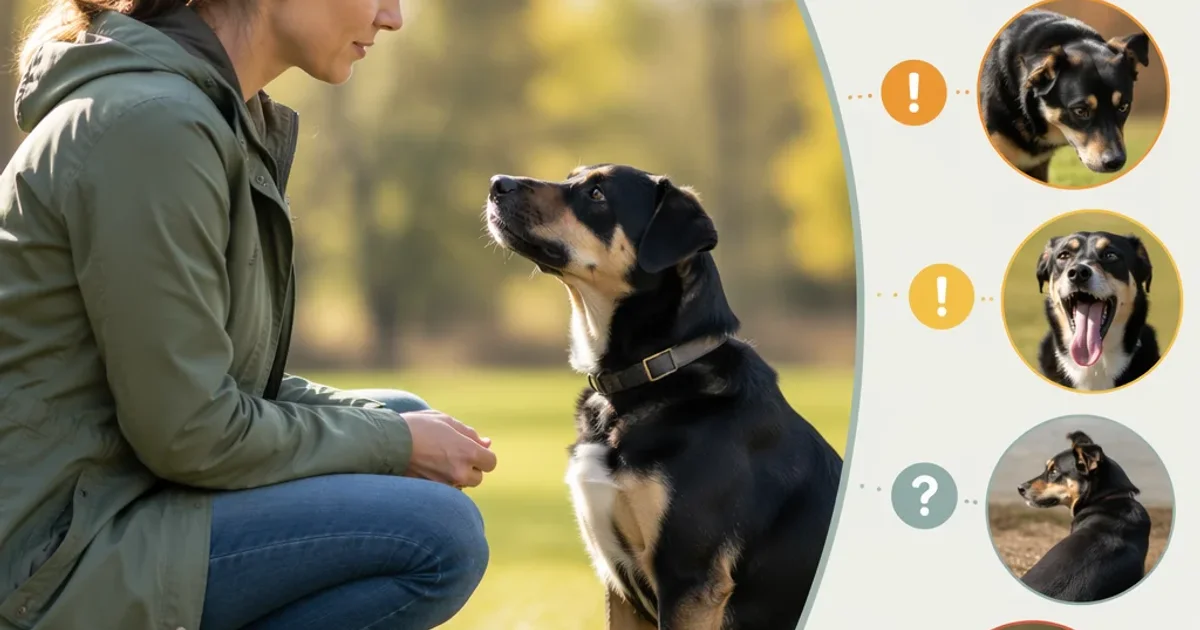
The Wag: Tail movement, position, and how the rest of the body moves with it. A loose, wide wag that involves the hips and a relaxed body says “happy and relaxed.” A fast, stiff, high wag, especially with a tense mouth or ears pinned back, often signals arousal, which can be stress or excitement. A tail tucked between the legs with a wag is not happiness; it’s appeasement and fear in disguise.
The Whale Eye: White of the eye showing more than usual. This is one of the more reliable stress indicators. It tells you: the dog is uncomfortable, anxious, or guarded. If you see the whale eye while other signals lean positive, take notice. The dog might be brimming with mixed feelings.
The Play Bow: A classic cue that invites play. It’s usually a good sign, but context matters. If a dog is in a play bow while whale eye is present, or while the tail remains stiff or the body is tense, the play bow is more of a risk assessment than a carefree invitation.
A practical takeaway: when you see all three in combination, prioritize the signals that indicate safety and distress first. The whale eye often takes precedence over the playful bow. It’s telling you there’s something the dog is trying to manage, and triggering play could escalate tension rather than defuse it.
A simple hierarchy to follow in the moment
When mixed signals appear, use this quick hierarchy:
Is there an immediate threat? Signs include teeth, growling, a stiff body, or a direct, unblinking stare. If any of these are present, remove the dog from the situation and seek help if needed.
Is the dog stressed or anxious? Whale eye, lip licking when not hungry, yawning when not tired, or tucked tail with other signs. If stress is the primary tone, give space and time to decompress.
Is there apparent excitement or play intent? A relaxed body, loose mouth, and a genuine wag can indicate a desire to play. But don’t ignore signs of stress that may be mixed in—pause, observe, and proceed with caution.
In practice, it means. If you see whale eye, back away. If you see a pure play bow with loose, wiggly movement and no other signs of stress, you’re probably good to engage. If you see a mix, pause and reassess.
This is a winsome blend of science and common sense. I’ve used it in parks, on sidewalks, and even at a friend’s barbecue where a dog I didn’t know walked up wagging and then suddenly flashed whale eye when a kid ran by with a balloon. The space you give a dog in that moment isn’t polite—it’s practical. It buys time for the dog to reset and for you to decide on the safest next move.
Three immediate safety responses you can deploy today
When you’re faced with mixed signals in a real-world moment, here are three steps that won’t derail your plans and will reduce risk.
- Create distance and remove triggers
- Gently back away, guiding your dog to a quieter corner or toward a safer space (like a shaded patch of grass or a quiet doorway). If a stranger is approaching, ask them to step back and avoid eye contact with the dog. It’s not a lecture; it’s giving the dog space to feel safe again.
- Avoid forcing interaction
- Don’t push for a pet or a closer look just because you want the moment to be over. The whale eye suggests conflict. Forcing touch can turn uncertainty into fear or aggression. Offer a calm, stationary presence and allow the dog to approach on their own terms if they want to.
- Observe without panic
- After you’ve created space, watch how the signals shift. If the whale eye fades, the tail relaxes, and the body becomes looser, you’re seeing a de-escalation. If signals persist or intensify, you might need to extend the space or seek professional help. This isn’t a failure; it’s a smart, safety-first approach.
These aren’t fancy tricks. They’re a practical routine you can practice in any public space, at a friend’s house, or even in your living room with a few family members present. The point is simple: safety first, then learning.
Observational drills you can do at home (no special gear required)
Practice makes reading dog language less guesswork and more habit. Try these four drills, one at a time, for two weeks each.
Drill 1: Baseline observation
- Do ten minutes a day in a calm, familiar space. Watch your dog’s tail, ears, eyes, and overall posture when they’re completely relaxed. Note what “content” looks like to you: is the tail smooth and loosely wagging? Do the eyes blink softly? Is the body loose? This baseline helps you notice deviations more quickly.
Drill 2: Trigger identification
- Identify something mildly exciting (the treat jar being opened, someone at the door, a roommate whistling). Observe whether whale eye appears, whether the tail changes position, or if a play bow emerges. Document your observations. The goal is to notice how arousal and anxiety interact in daily life.
Drill 3: Multi-signal comparison
- Record brief clips in different moods: genuine happiness when playing, mild anxiety during a vet visit, and a stressful moment when meeting a new dog on a walk. Compare these clips side-by-side. See how all signals line up (or don’t). You’ll start to notice patterns—like a relaxed tail when truly happy versus a tight jaw and stiff back in stress.
Drill 4: Context mapping
- Build a simple chart: trigger, signals observed, duration, what resolved it. Over time, you’ll spot recurring triggers and what tends to calm or escalate your dog. This is the predictive work that helps you anticipate trouble before it becomes a scene.
The goal with these drills isn’t to become a “dog whisperer” overnight. It’s to build a quick, repeatable way to read the room and respond safely.
Scripts you can use when you’re bystanders, caregivers, or kids
Clear, calm language protects your dog and teaches others how to behave around them. Try these phrases in the moment:
For strangers or visitors
- “My dog is showing mixed signals right now and could be uncomfortable. Could you give us some space and not pet them? I’ll let you know when they’re ready for interaction.”
For children
- “See how [Dog’s name] has the white of his eyes showing? That means he’s unsure, even though his tail is wagging. We don’t pet or chase. We wait for him to come to us.”
For other dog owners
- “I notice your dog is approaching mine, but mine is feeling stressed. Could we give them a little space so they can feel safe?”
These aren’t excuses. They’re boundaries that keep everyone safe and make it easier for kids to participate without fear or confusion.
When to call a trainer or veterinarian (and how to tell)
Mixed signals are common, but persistent patterns deserve professional eyes:
Call a certified professional dog trainer if:
- Your dog regularly displays mixed signals in certain settings (new people, crowded parks, specific locations)
- The signals are escalating in intensity or frequency
- You’re unsure whether the signs are normal stress or something more serious
- Your dog has a history of defensive behavior
Call your veterinarian if:
- The signals appear suddenly without a clear trigger
- Your dog seems physically uncomfortable (panting when not hot, trembling, staring, drooling, vomiting in relation to anxiety)
- There are changes in appetite, sleep, or bathroom habits
- You suspect an illness or pain could be driving the behavior
A good trainer or veterinary behaviorist can help you map triggers, create a step-by-step desensitization plan, and tailor routines to your dog’s needs. It’s not a mark of failure to seek help—it’s a smart, proactive choice that keeps your dog and others safe.
The bottom line
Mixed signals aren’t a mystery to solve; they’re a language to learn with patience and practice. When you prioritize the signals that indicate stress, you protect your dog and the people around you. Read the full body instead of relying on one sign. Look for context, duration, and the environment. And when in doubt, create space and seek guidance.
If you want a simple rule of thumb: when in doubt, back up and give space. A calm dog is a safe dog, and a safe dog makes everyone around them more confident and relaxed.
Photo-based cues and quick references you can use tomorrow
- Wag with a loose hip swing and open mouth = likely content and engaged in a positive way.
- Wag with a stiff tail, high body, pinned ears, and whale eye = stress with possible risk; back away.
- Play bow with a relaxed body and soft eyes = invitation to play, usually safe, but watch the rest of the body for tension.
- Whale eye with a tense body and lip licking = high likelihood of discomfort; proceed with caution or distance.
The point isn’t to memorize every nuance. It’s to practice noticing the whole sentence your dog is writing with their body. The more you practice, the more natural your responses become.