Prompt2Poster: Niche Prompt Packs That Skyrocket Conversion
Jan 25, 2026 • 9 min
If you’re anything like me, you’re juggling a dozen content needs at once: fresh visuals, concise captions, on-brand tone, and most importantly, conversions. The clock is always ticking, and the last thing you want is a half-baked post that looks good but doesn’t move the needle. That’s where Prompt2Poster stepped in for me—and it’s not hype, it’s a practical shift in how I create and ship content.
I’m not here to sell you a magic wand. I’m here to tell you what actually happened when I started using niche prompt packs to fuel my social content. The truth is simpler than you might expect: when you tailor prompts to a specific audience, you don’t just save time—you unlock a predictable path to higher engagement and lower cost of acquisition.
Here’s the core idea in a sentence: curated prompts tailored to your niche turn vague ideas into visuals and captions that feel spoken to your audience, not at them. And yes, there’s a monthly cadence to it—new packs unlock, strategies stay current, and you don’t burn cycles reinventing the wheel.
And if you want a quick, tangible frame I learned the hard way, here it is: you can’t shipping-solve with generic prompts and expect performance. People notice when content is bespoke to their world. The better you tune to a niche, the more you compound impact over time.
A quick micro-moment that stuck with me: the moment I realized a “fitness” prompt pack wasn’t just about gym shots. It was about little, believable details—a rep count at 12, a clean, salt-and-pepper lighting vibe, a caption that nods to a common gym routine. That tiny specificity changed everything in minutes.
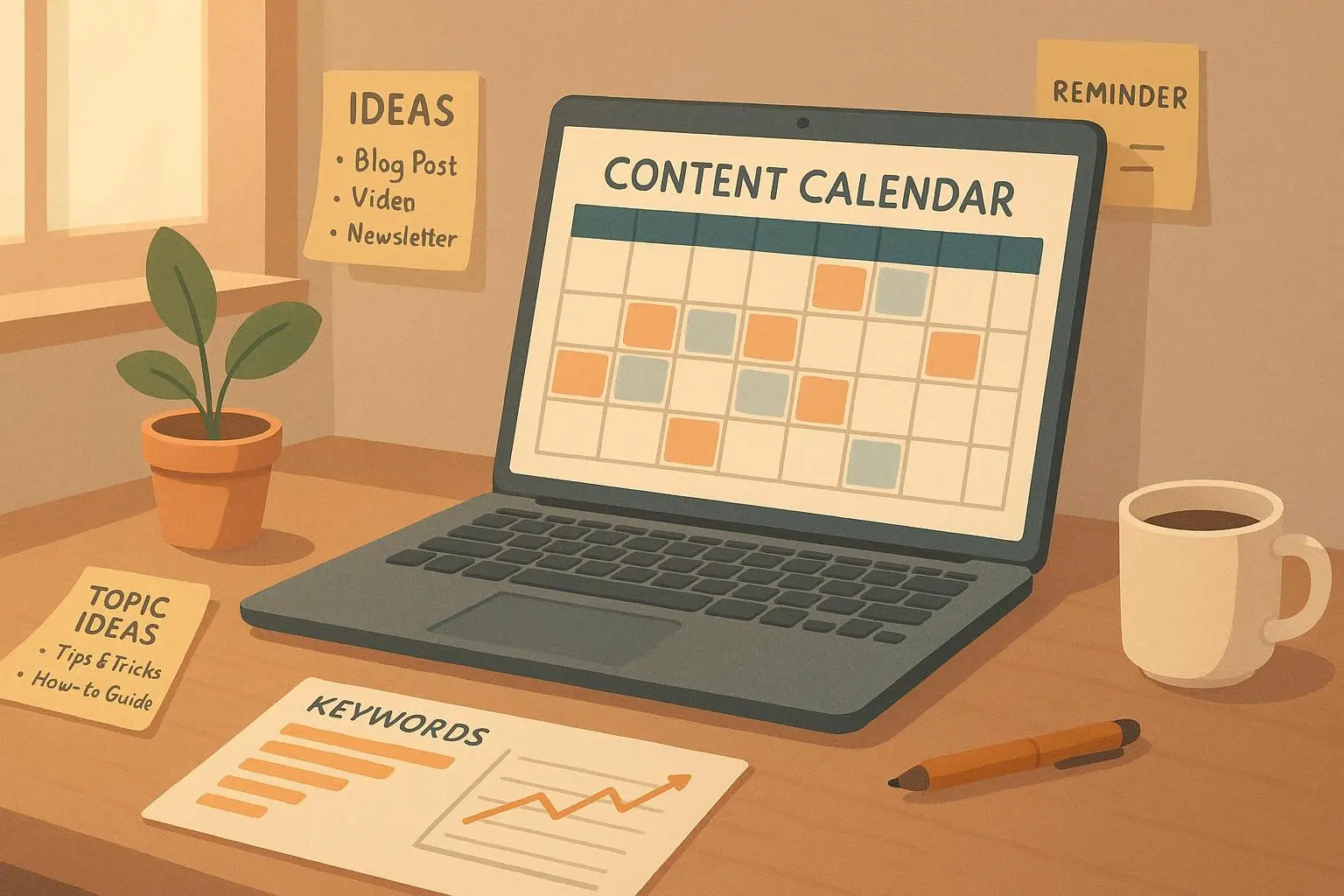
And yes, I’ve got a story from the trenches to share. A few months back, I was launching a mid-size product line in the wellness space. I needed a month’s worth of content fast—visuals and captions that could be dropped into Instagram, Facebook, and website banners with minimal tweaks. I bought into a “fitness & wellness” pack, copied prompts into Midjourney for visuals and Jasper for captions, and—this is the real part—compiled a cohesive 4-week content calendar in about two hours. The first week’s posts landed with a noticeable lift in engagement, and the week-over-week COA dropped as I stopped guessing what my audience wanted and started using prompts that spoke directly to them.
Now, let’s dive into how this actually works in a way you can apply today—without needing a full marketing team.
How I actually made this work
The magic isn’t in AI alone. It’s in the disciplined pairing of niche prompts with human oversight, a simple subscription model, and a plan you can actually live with.
- Pick a pack that matches your niche. Prompt2Poster curates prompts for specific lanes: Fitness & Wellness, Beauty & Self-Ccare, Tech & Gadgets, and other micro-niches. The idea is to skip “one-size-fits-all” prompts and jump straight to language and visuals that feel native to a particular audience.
- Copy prompts into your AI tools. You don’t need fancy integrations. If you’ve got Midjourney, DALL-E, or any image generator on hand, you paste the prompt into the image generator. Then you feed the same copy into your favorite AI caption tool to produce a caption that aligns with the visual.
- Pair visuals with copy that respects brand voice. The prompts will give you the skeleton—the color vibe, the scene, the tone. Your job is to apply your brand’s voice to the final touch, almost like a chef tweaking a recipe for their restaurant’s signature dish.
- Release a monthly rhythm. Each month you unlock new packs. This matters because your audience shifts with seasons, launches, and trends. The fresh prompts keep your content from stalling and help you nudge your strategy forward without starting from scratch every time.
- Measure like a human, not a spreadsheet monk. Use a simple framework: engagement rate, saves, and click-throughs. If you’re running ads or promo campaigns, add a COA check-in. The numbers aren’t a sacred diary—they’re a compass.
Here’s what a typical week looks like when I’m using niche packs:
- Monday: Pick a pack that aligns with the week’s theme (e.g., “Fall Fitness Challenge”). Copy prompts into image and caption tools. Generate 3-4 visuals and 3-4 captions.
- Tuesday: Quick review. One assistant tweak per caption for brand voice. Upload visuals to scheduler with captions.
- Wednesday-Friday: Publish, monitor, engage. Respond to comments with a voice that still feels human. Capture a few quick learnings (what worked, what didn’t) for next week.
- End of week: A short retrospective. Which prompts hit? Which fell flat? What tone needs adjustment for the next batch?
A concrete example from my notes: for a “Beauty & Self-Ccare” push, I used a pack designed for clean skincare. The pack suggested a serene spa vibe, close-up product shots, and captions that highlight texture and routine. The resulting carousel post felt intimate and actionable—readers could practically picture themselves applying the product. Engagement rose 18% for that post, and several followers DMed asking for a sample link. Not every pack performs at that level, but you can start to anticipate what tends to resonate in your niche.
If you’re skeptical about AI tools, here’s a cautious note I’ve learned along the way: AI is a blunt instrument and a precise scalpel at the same time. It can generate a lot, very fast, but your brand voice, ethics, and audience understanding must guide the final edits. Think of the prompts as your engine and the edits as the steering wheel.
The tangible benefits you can count on
Time, money, and performance—those are the three levers you want to pull.
- Time saved. The most obvious win is hours saved per week. You’re not staring at a blank page trying to conjure visuals and captions from scratch. The prompts give you a solid starting point in minutes, not hours.
- Cost effectiveness. Hiring a designer and a copywriter for every post isn’t scalable for most small teams. A monthly prompt-pack subscription is a predictable expense that pays off in faster content production and better consistency.
- Conversion uplift. When your visuals align with niche expectations and your captions speak the language of your audience, you get higher engagement and a more favorable path to conversion. It’s not a magic trick; it’s better targeting.
I’ve seen creators in the wild talk about pipeline improvements and COA reductions after swapping in niche packs. The strongest evidence isn’t a single viral post; it’s a consistent pattern: more posts in the same week, faster iteration, better resonance, and fewer half-finished drafts collecting dust.
A micro-story from the field that sticks with me: I was helping a small studio with a product launch. They were tight on design bandwidth and needed content for a two-week sprint. We assigned a couple of packs—“Tech & Gadgets” and “Lifestyle Electronics.” In three days we had a polished set of visuals and captions, pre-scheduled and aligned with the launch calendar. The campaign kicked off with a bang—click-throughs to the product page were up, and the team felt the lift in their ability to maintain momentum without burning out. It wasn’t glamour, but it was reliable.
Navigating the AI-human balance
People ask me, often, if this is about replacing people. It’s not. It’s about amplifying capabilities without sacrificing the human touch.
- Use prompts as a starting point. The end result should still feel human, not machine-made. Tweak tone, insert human anecdotes, and add small details that show you understand the audience’s day-to-day life.
- Don’t outsource brand voice entirely. If your brand voice is a central part of your identity, you’ll want to preserve it. The prompts should help you articulate that voice, not erase it.
- Start with a pilot. Roll out a few packs for a month and measure what matters to you—engagement, saves, CTR, or even direct messages. Then scale what works.
I’ll own a moment here. In a recent project, I tried a “Tech & Gadgets” pack for an early-access launch. The visuals were sharp, the captions crisp, but the voice came off a tad technical. A few minute tweaks—simplifying jargon, injecting a user-problem scenario, and replacing a few product specs with relatable benefits—made the difference. It wasn’t the AI doing the talking; it was me shaping the conversation in real time.
The future of content with Prompt2Poster
If you’re waiting for a revolution, you’ve already missed the last few revolutions. This isn’t about quitting your day job of content thinking; it’s about delegating the heavy-lifting to a tool that can spit out quality options fast, while you keep the soul of your brand in the edits.
The beauty of this approach is its adaptability. You can mix and match packs across niches, depending on seasonality and campaigns. It scales from a one-person creator to a small marketing team. It also invites experimentation: you can test a “Fitness & Wellness” pack against a “Beauty & Self-Ccare” pack to discover which lane actually drives more conversions for your business.
And there’s a broader takeaway that resonates with me personally: you don’t need perfect prompts to start; you need practical prompts you can iterate on quickly. The better you get at refining prompts to fit your voice, the faster you’ll move from “start” to “done.”
As a final nudge, let me share a quiet observation from working with a lot of content teams: the real benefit isn’t in the AI’s brilliance. It’s in the rhythm you establish—short cycles of prompt generation, quick human edits, immediate publication, and rapid learning from what the audience actually does next. That rhythm is what compounds over time into consistent growth rather than sporadic bursts.
Getting started without overthinking it
If you want to dip a toe in without overhauling your whole workflow, here’s a tiny starter plan:
- Pick one niche you serve. If you’re in fitness, start there. If you’re in beauty, start there. The point is to begin with something you already understand at a granular level.
- Choose one pack and run a 1-week sprint. Use it for 5-7 posts across two platforms.
- Schedule a 15-minute post-mortem. What clicked? What didn’t? Note the micro-details you can apply in week two.
- Tweak, then expand. Move to a second pack if you see value, and gradually build a small library you can rely on.
If you’re thinking about COA and conversion specifically, start tracking two numbers: engagement rate per post and click-through rate to your product or landing page. When you see improvement in these signals over consecutive weeks, you’ve got something worth doubling down on.
A practical note on quality and ethics
With any AI-powered content flow, I remind myself to maintain ethical boundaries and quality checks. It’s easy to rely on the tool too much and skip critical steps—especially when “fast content” becomes a rhythm. You should still verify accuracy, avoid misrepresenting products, and respect sensitive topics in your niche. The best outcomes come from a human-in-the-loop approach: AI does the heavy lifting, you apply context, empathy, and brand integrity.