Launch Your Template Empire: Getting Started with TemplateProfit Studio
Mar 28, 2026 • 9 min
If you’ve ever wanted to turn your design eye or your knack for organization into a side hustle that earns while you sleep, templates might be your best starting point. No heavy coding, no inventory, just a clean idea, some good design, and a storefront that does the rest.
Here’s how I’d approach this as a writer-turned-creator who’s tried to squeeze sanity out of a messy launch window. It’s not a get-rich-quick scheme. It’s a repeatable process that, with the right niche and a bit of marketing hustle, can become a steady source of supplemental income.
A quick micro-moment I’ll tuck in here: I remember the first time I uploaded a Canva template to TemplateProfit Studio. I held my breath as the preview images loaded. The storefront looked simple, but the customer experience felt real—like a tiny shop just opened on a busy street. The moment the first sale rolled in, I felt that spark of possibility. It wasn’t magic; it was a system working.
But let me back up a bit and lay out a sane path to get there.
Why templates? Why now?
The digital product economy is booming, and digital templates sit right at the sweet spot. They’re scalable. You create once, and the same design can be sold again and again with minimal incremental effort. They’re also highly transferable—coaches, teachers, freelancers, and solopreneurs need quick-start tools, and templates deliver that with consistency.
The market is bustling because people want outcomes fast. A social media manager needs a ready-to-use template pack for brand consistency. A student wants a printable study plan that actually sticks. A creator wants a cohesive set of promotional visuals that don’t break their budget. Templates check all of those boxes.
And yes, there are headaches. The market is noisy, demand fluctuates, and success hinges on finding a niche and delivering real value. That’s not a critique; it’s a reality check I’ve seen play out many times. The upside, though, is manageable: you can launch with a handful of templates, validate a market, and iterate quickly.
A real-world aside: early in my experimentation, I attempted three different template bundles at once. It was a mess—formats, file types, and inconsistent previews. I learned the hard way that focus and clarity beat sheer volume. I refined my idea to a single, well-done niche, and the sales improved dramatically.
What TemplateProfit Studio actually does
TemplateProfit Studio is designed to lower the barriers for non-technical creators. It handles the heavy lifting that usually trips people up when you try to run an ecommerce store: payment processing, secure delivery of digital files, storefront presentation, and basic customer management. You focus on design and marketing.
Key things it helps with:
- Easy storefront setup with branding controls
- Direct upload of templates in popular formats (Canva-friendly, PDFs, editable files)
- Integrated payments (Stripe, PayPal options depending on region)
- Secure, automatic delivery of digital files after purchase
- Simple analytics to see what sells and what doesn’t
The recurring theme from real creators is that this platform makes the “tech” feel optional rather than mandatory. You don’t need to be a coder to start selling, which is the whole point for non-technical creators.
Getting started in five practical steps
This is where I’d map out a practical, actionable plan you can actually follow this week.
Pick a tight niche Don’t try to serve everyone. Start with one clear audience and one prominent problem you can solve with templates. Productivity planners for busy students? Social media templates for micro-influencers? Pick something you understand well and can speak to with concrete benefits.
Design with intent Your templates should solve a real need and be easy to customize. I recommend:
- 1–2 core formats (e.g., a weekly planner in PDF and an editable Canva version)
- Clear, concise instructions for customization
- Aesthetic consistency across all templates so customers feel they can mix and match without clashing
If you’re unsure about design, Canva is a solid starting place. You can export to PDF and Canva-friendly formats, which TemplateProfit Studio readily supports.
- Build your storefront on TemplateProfit Studio Once your templates are ready, set up your storefront. Do a quick branding pass:
- Pick a simple color palette that matches your niche
- Write product descriptions that emphasize outcomes (what the template helps you achieve)
- Create eye-catching mockups and preview videos if possible
A note from creators I’ve spoken with: high-quality mockups and preview visuals can be the deciding factor for a buyer. It’s not vanity—it’s a trust signal that says, “This product is well thought out and ready to use.”
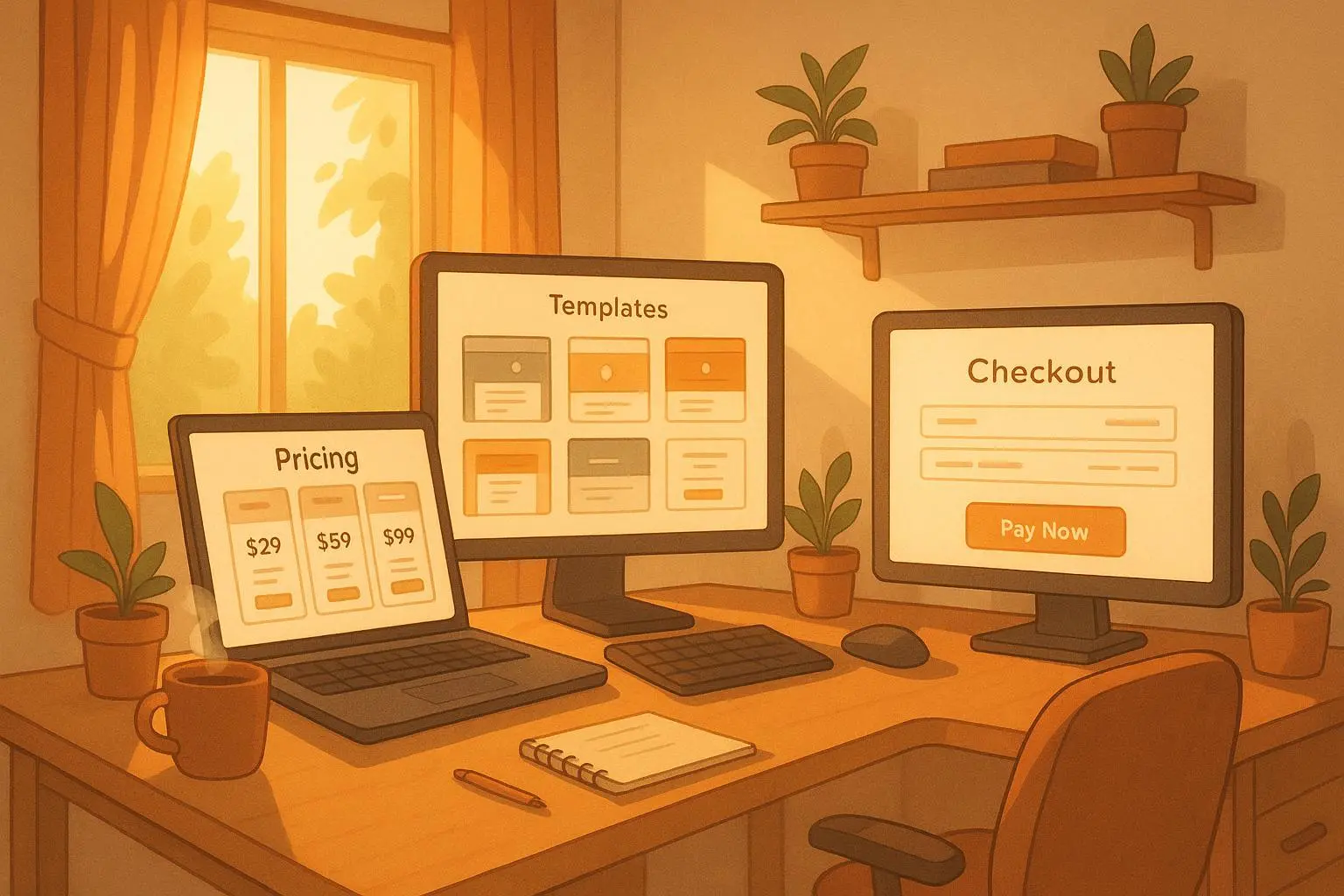
List strategically and price thoughtfully Start with a few bundles or tiers. A base template pack, a premium bundle with extras, and a small add-on like a printable planner page. Price it based on the value you’re delivering and what similar products charge—but don’t underprice yourself just to see a sale roll in. Early revenue matters, but sustainability matters more.
Market with purpose This is where a lot of beginners stumble. The platform will get you listed; you still have to drive attention to your storefront.
- Use Pinterest and Instagram for visual storytelling: create pins that highlight one smart use case of your template.
- Build a simple email list. Offer a freebie (like a one-page template or a starter kit) to collect emails and nurture those subscribers.
- Tap into relevant communities, but with respect. Share value, not spam. A few thoughtful posts or threads can drive traffic without feeling like self-promotion.
Here’s a tiny, practical micro-moment from my own experiments: I once created a “Student Study Planner” template that bundled a weekly planner, a daily focus sheet, and a printable study tracker. I published an Instagram reel showing how a student could map out a week in 10 minutes. The first week, I got two DMs asking if the template could be customized for different study methods. By the second week, those questions turned into two purchases and a handful of email signups. It wasn’t instant fame, but it was proof the value was real and the process repeatable.
The path to passive income (with feet on the ground)
Passive income isn’t pure magic. It’s a system you set up once and tend to after an initial push. The key is to build assets that keep delivering value with minimal ongoing effort.
- Create quality templates that solve real pain points.
- Play the long game with marketing: SEO-friendly product descriptions, evergreen content on your site or social channels, and ongoing customer engagement.
- Expect that the first few months will be a learning phase. You’re tuning your niche, your pricing, and your marketing messages.
In the data I’ve seen and the stories you’ll hear from other creators, the pattern is clear: when you find a specific need and consistently show up with high-quality samples, revenue can begin to compound. It’s rare to hit a quick windfall, but it’s absolutely feasible to build a steady flow of sales that scales with new templates over time.
Another practical takeaway: keep your costs predictable. Digital products mean your ongoing costs stay relatively low, especially you’re not dealing with inventory or shipping. With TemplateProfit Studio taking care of the storefront and delivery, your primary recurring effort goes into design refreshes and marketing.
What I learned the hard way (and what you can skip)
I learned two big lessons early on.
First, niche down hard. I tried a few too many niches at once and the messaging got muddy. When I narrowed to productivity templates for students, the messaging clicked faster, and the store started to attract a more targeted audience.
Second, your product pages must tell a story. People don’t just buy a template; they buy a result. I learned to frame each listing around clear outcomes—what your buyer will achieve by using your template, and how it saves them time. A concise list of benefits, supported by a quick demo image or video, goes a long way.
A short aside about the marketing reality: TemplateProfit Studio handles the tech, but you’re still crafting the narrative. A buyer doesn’t just want a template; they want to feel confident that it’ll fit into their life with minimal friction.
The smart way to price and test (without guesswork)
Start with three price anchors:
- A base price that reflects the core value (the essential template pack)
- A mid-tier price for bundles with extras (editable templates, color themes, etc.)
- A premium offer that adds templates and a quick-start onboarding guide (or a video walkthrough)
Test for 2–4 weeks, track:
- Which products are most popular
- Your average order value
- Customer feedback on usability and value
Iterate quickly. Small tweaks to a description or a thumbnail can lift conversions noticeably. The goal isn’t to maximize price from day one but to find a sustainable price that buyers feel is fair and that you can defend with clear benefits.
The human side: community, collaboration, and consistency
One of the strongest accelerants is community. When you share your process, you invite feedback that makes your templates sharper. You don’t have to go it alone. Look for fellow creators with complementary niches to cross-promote or collaborate with on bundles. A few thoughtful partnerships can push your store into new audiences without huge marketing budgets.
And let me be straight about the effort: you need consistency. A single great listing is not a business. A steady cadence of new templates, refreshed previews, and ongoing marketing yields real momentum. The platform is your engine; your creativity and consistency are the driver.
A quick view of the numbers (what to aim for in the first 90 days)
- Ship 4–6 core templates in your first set. Each should have a dedicated listing with previews and a describe-to-benefit copy.
- Generate 20–40 email subscribers in the first month with a freebie or a how-to guide.
- Reach your first 50–100 sales across the first 60–90 days with a mix of organic traffic and targeted social posts.
- Aim for a 20–30% average order value bump by offering a small bundle or upgrade.
These aren’t guarantees, but they’re reasonable milestones if you’re consistent and thoughtful about your niche and your visuals.
What to do next (the quick-start checklist)
- Pick a narrow niche you actually care about.
- Create 2–3 high-quality templates (PDF + editable format if possible).
- Set up your TemplateProfit Studio storefront with a clean logo, color story, and strong product descriptions.
- Produce 2–3 mockups or video previews that show the template in action.
- List your products with clear outcomes, not just features.
- Launch a simple marketing plan: a Pinterest board, one Instagram post series, and a 5-email welcome sequence.
If you’ve ever wanted to dip your toes into digital products without sweating the code, this is a sane way to start. The systems exist to support you; you just have to bring the focus, the design, and the willingness to iterate.
Real-world confidence boosters you can borrow
- Let the marketplace validate your niche. If a listing doesn’t get traction after a couple of weeks, rethink the angle or the visuals rather than the product itself.
- Keep the customer’s journey in mind. From landing page to checkout to file delivery, every touchpoint should feel straightforward and frictionless.
- Celebrate the small wins. A few early subscribers, a handful of 5-star reviews, and a couple of return customers build momentum faster than a big single sale.
And here’s a tiny aside that stuck with me: I once spent an entire weekend fine-tuning a single product image a little more. The change didn’t transform revenue by itself, but the accompanying wording and the way the image told a story did. The moral? Small, thoughtful improvements compound over time.
The future you can build with TemplateProfit Studio
The templates you create today become the stepping stones for tomorrow’s product line. You’ll learn what your customers love, what formats work best, and how to present your work in the most compelling way. The beauty of the platform is that it’s scalable. Add more templates, experiment with bundles, and slowly widen your niche as you gain confidence.
If you’re starting from scratch, give yourself permission to start small, test quickly, and iterate. Your first storefront won’t be perfect, and that’s okay. Perfection is the enemy of progress here. A functioning storefront that captures real interest and delivers genuine value is worth far more than a glossy launch with no traction.
In the end, what you’re building isn’t just a storefront. It’s a system for turning your creativity into something that can provide ongoing income with less ongoing maintenance. That’s the sweet spot for non-technical creators who want to control their tempo—and their income.