Grooming Template Marketplace: Sell Ready-to-Use Detangling Content
Sep 25, 2026 • 9 min
You know that moment after a dematting session when the owner looks stunned and asks, "How do you even do that?" You answer. You repeat that answer eight times a week, in different words, with different hand gestures, and sometimes with a wet dog hair clinging to your sleeve.
What if those answers—your technique checklists, the short videos you mentally rehearse, the neat little client handouts—were products that paid you every time someone downloaded them? That’s the idea behind a grooming template marketplace: backendless storefronts where groomers sell ready-to-use detangling content, tutorials, and client handouts.
This post is practical. I’ll walk through what to sell, why the backendless approach works, real numbers and tools that make it quick to launch, and the pitfalls to avoid. I’ll also tell you a short story about how I turned a single detangling PDF into a steady side income. No fluff. Just steps you can use in the next 48 hours.
Why this actually makes sense
The pet industry is big and not slowing down. Grand View Research estimated the global pet care market at around $261 billion in 2022, with steady growth ahead[1]. That matters because groomers aren’t just local service providers anymore—there’s demand globally for practical, trusted guidance.
Groomers spend a lot of time teaching. Social posts, intake forms, aftercare sheets—these are repeated labor. Digital products let you turn that repeat labor into royalties. Sell a PDF one week, a social media pack the next, and a short video tutorial later. You make the asset once and collect a small fee each time it helps someone.
A backendless marketplace—think Gumroad, Payhip, Etsy, or even a dedicated Gumroad storefront—means you skip building a full website, payment gateway, and download system. Those platforms handle payment, file delivery, refunds, and basic analytics. You upload, set a price, and promote.
What to sell (and why people will buy it)
Focus on repeatable, practical items groomers actually need. Buyers are usually other groomers, salon owners, or pet parents who want better DIY results.
- Client handouts: "At-Home Detangling Checklist," "Brush Types by Coat," or "Emergency Mat Removal"—simple PDFs. These sell because owners want quick, printable guidance to avoid repeat matting issues.
- Social media templates: Instagram carousels, caption-ready posts, and Reels scripts. Busy groomers pay for ready-made posts that look professional.
- Short video tutorials: 3–5 minute clips demonstrating a dematting technique or safe tool use. These are high-value because they show hands-on technique.
- Email/Intake templates: Follow-ups after a dematting appointment or intake forms that help you capture key coat history.
- Mini e-books or breed-specific guides: Deep dives on Pomeranians, Shih Tzus, Persians—the more specific, the better.
People buy for three reasons: time saved, professional appearance, and learning. A busy groomer will happily pay $8–$30 for a set of polished client handouts that save them an hour of writing and make their salon look put-together.
The backendless advantage (how to start fast)
"Backendless" just means you let a service handle the heavy lifting. Here’s a realistic setup that works:
- Design assets in Canva or Adobe Express (Canva has templates and brand kits that speed this up).
- Export PDFs, PNGs, MP4s for video.
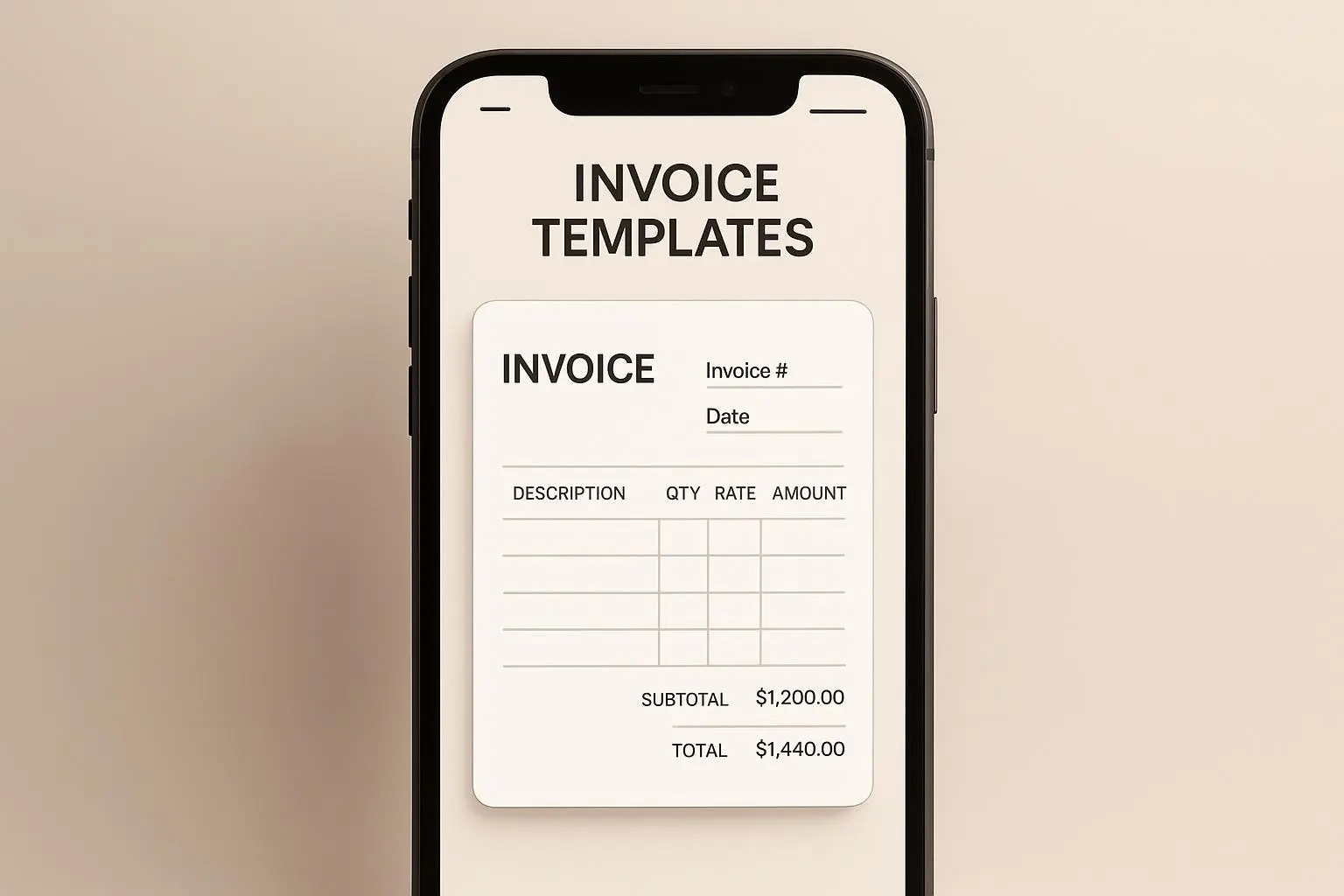
- Create product listings on Gumroad or Payhip. Price simply—$9 for a handout pack, $25 for a tutorial + templates bundle.
- Use the platform's built-in delivery and email features. Gumroad handles downloads, receipts, and basic analytics; Payhip handles VAT and product variations.
- Promote on Instagram, TikTok, Facebook groups, and in-salon signage with a QR code.
No developer. No monthly server bills beyond the platform fees. You’ll pay transaction fees and a small platform fee, but the upside is you can test ideas in days—sometimes hours.
Pricing strategy that actually works
Price for value, not effort. A single useful PDF that saves someone an hour should be $7–$12. Bundles (3–5 related items) should be $25–$60 depending on video content. Video tutorials have higher perceived value—charge more.
Don’t underprice to "get sales." Low price signals low value. Test: list one free item (lead magnet), one low-cost item ($7–$9), and one premium bundle ($35–$60). Track conversion rates. If your free guide converts 5% to the low-cost item and 1% to the premium, you’ve got a funnel.
A realistic first-month target: create 3 products, price them at $9, $25, and $45, and aim for 20 sales total. At an average revenue-per-sale of $22 and a platform fee of roughly 10–15%, you’re looking at $374–$396 gross—real money for a few hours of work.
Real tools that make this painless
- Canva — design handouts and social templates quickly.
- InShot (or CapCut) — edit short demo videos on your phone.
- Gumroad / Payhip — handle storefront, delivery, payments.
- Grammarly or Hemingway — clean up copy for clarity.
- A simple landing image (use Canva templates) and a QR code for in-salon promotion.
Use templates inside Canva to maintain consistent branding across PDFs and social posts. Your goal isn’t to be a design genius; it’s to look trustworthy and clear.
How to stand out (yes, even in a crowded market)
Market saturation is a real concern. Here’s what separates a product that flops from one that sells steadily.
Niche down. Specific beats generic. A "Persian dematting protocol" sells better than a vague "dematting guide." Breed- or coat-type specificity makes you the expert.
Package well. Combine a printable handout, an Instagram carousel, and a short video demo into a single "Dematting Starter Pack" and sell it at a higher price. Buyers love done-for-you bundles.
Show proof. Short clips of your technique, before-and-after photos, or a quick testimonial from a salon owner increase trust.
Offer licensing for salon use. Include a "print and use in salon" license and a slightly higher-priced "resale license" if you want to allow other groomers to sell your templates.
Keep updating. Update your best-sellers annually. Add a new reel or tweak images. Customers appreciate that something stays current.
The quality checklist you should follow
Before you upload anything, run it through this quick test:
- Is the language clear for a client or groomer?
- Do photos or videos show technique close-up and from a helpful angle?
- Are files organized (PDFs named correctly, video length noted)?
- Does each product solve a specific pain (e.g., "How to stop mats at the neckline")?
- Do you have a short promo image and a 15–30 second trailer for videos?
If any of those fail, fix it. Quality matters more than quantity.
Legal and protection basics (short and practical)
- Use a simple license file. Say what buyers can and can’t do. For example: personal/salon use OK, resale not allowed unless purchased.
- Keep originals watermarked for previews. Deliver clean files after purchase.
- Consider a DMCA takedown plan if someone rips your content.
- Track income and treat it as business revenue when tax season comes. Even small sales add up and matter.
If you’re uncertain about IP or taxes, a short consult with a small-business attorney or an accountant is cheaper than fixing a legal mess later.
A real story: my first detangling PDF
I wrote my first "Detangling Basics" PDF because a client asked for a simple sheet to keep by the brush. I spent one evening turning my usual spiel into bullet points, added three diagrams, and made a quick video showing the neckline technique.
I uploaded the PDF to Gumroad for $9 and the video as a $25 add-on. First week: one sale (my mom, apparently), second week: three more, third week: a salon owner bought the bundle for $45 and asked about a salon license.
Total time invested: about six hours. Total revenue in the first month: $240. Not life-changing, but notable for work I’d normally do for free. The real payoff came later—two buyers messaged asking for a "puppy brush training" sheet. I created that in a weekend and both bought it plus recommended me in a Facebook group. Within three months I had a handful of recurring buyers and an email list of about 120 people who downloaded a free guide.
That slow build is normal. You don’t need to go viral; you need to be useful and consistent.
Micro-moment: the one thing that stuck with me was the smell of the salon that day—dry shampoo and citrus—because it reminded me that these products sit in the real world, in clients' hands, on fridges, and in salon folders. That tangible use is what makes digital products sticky.
Marketing that isn't annoying
- Use one platform well. Pick Instagram or TikTok and post short demos linked to your product.
- Share a free one-page handout as a lead magnet in exchange for email signups.
- Post before/after photos with a caption that says "Want the exact checklist? Link in bio."
- Partner with a couple of local salons to feature your printable in their intake packets for a small fee or revenue split.
- Offer a "Salon Starter Pack" to new business owners—those often sell faster than individual downloads.
Ads work if you target right, but organic trust from groups and owner referrals often does better for niche products.
Common mistakes I've seen (and avoided)
- Making products too generic. Niche sells.
- Overproducing. Useful beats perfectly edited.
- Skipping licensing. You want control over use and resale.
- Ignoring feedback. If multiple buyers ask for different file formats, give it to them—small tweaks boost conversion.
Where to go next
Start with one product and one storefront. Use Canva and Gumroad if you want the fastest route. Price sensibly. Collect emails. Iterate.
If you want a quick launch plan:
- Day 1: Draft a one-page printable and design it in Canva.
- Day 2: Film a 60–90 second demo on your phone and edit in InShot.
- Day 3: Create Gumroad listings, write short descriptions, and upload.
- Day 4: Post promo content on Instagram/TikTok and in two relevant Facebook groups.
Test content, measure a couple of sales, then scale to bundles and license options.
Final note: this is slow-leaning, not get-rich-quick
You won’t replace a full salary overnight. But the barrier to entry is low, risk is small, and the upside is steady—especially if you lean into niche expertise. Grooming is a hands-on trade; your knowledge is valuable because it saves time, prevents pain for pets, and increases owner confidence.
If you already explain things on the job, you’re already creating product ideas. Turn a few of those into assets, set up a backendless storefront, and let them work for you when you’re clipping shears or off shift.
References
Footnotes
-
Grand View Research. (2023). Pet Care Market Size, Share & Trends Analysis Report. Retrieved from https://www.grandviewresearch.com/industry-analysis/pet-care-market ↩