Get Started with ProposalGenie: Your First Winning Proposal
Nov 16, 2025 • 9 min
You could be the best freelancer in your field, but if your proposal reads like a price list, you'll lose clients to people who explain outcomes better.
I remember this because I lived it. Early on I sent a raw, three-line email with a price and a vague timeline. I didn’t get ghosted once—I got ignored. After switching to a short, structured proposal that spelled out the client's problem, my solution, and what success looked like, I closed a project worth three times my usual rate. That pivot taught me one simple truth: clarity and value beat cleverness every time.
ProposalGenie is built to make that pivot repeatable. It gives you templates, guided language, and a pricing calculator so you stop guessing and start converting. Below I’ll walk you through the exact steps I use, what to watch out for, and a few tweaks that actually make proposals land.
Why your proposal needs to do more than list a price
Clients aren’t shopping for the cheapest number—they’re buying confidence. A proposal is your chance to show you understand their problem, to outline a clear path to the result they want, and to justify the investment with outcomes.
If your proposal skips any of these, you hand the conversation to price-based decision-making. Do this instead: define the pain, explain the plan, state measurable results, and make the cost feel like the smart choice—not the only choice.
Research backs this up: pricing psychology and outcome-focused language move decisions away from “how much” and toward “what I get”[1][2].
What ProposalGenie actually gives you (no fluff)
Think of ProposalGenie as a proposal workshop, not a magic wand. Useful features:
- Industry-specific templates that map to the parts clients care about (discovery, deliverables, timelines).
- Fill-in-the-blank prompts that force you to name the client's problem and the outcome.
- A pricing calculator that supports hourly, project, and value-based pricing.
- Sections for testimonials, attachments, and e-signatures so it looks professional and is easy to accept.
- Analytics that show when a client opened the proposal.
Those pieces together cut the busywork and keep your headspace clear for the persuasive parts: the why and the outcome.
How I actually make a ProposalGenie proposal (step-by-step)
Follow these seven steps. I use them every time I send a proposal.
Choose the closest template
- Don’t overthink it. Pick the template that matches the service (web design, content, consulting). Templates give you a proven structure: problem, approach, deliverables, timelines, price, and CTA.
Start with the client’s problem—explicitly
- Write one short paragraph that states the client's pain in their terms. Example: “Your checkout abandonment rate is 68% and product pages aren’t converting traffic into purchase intent.” Saying the problem first shows you listened.
Propose a clear, outcome-focused solution
- Replace task lists with outcomes. Instead of “I’ll write five blog posts,” say “Five SEO-driven posts aimed at increasing organic visits to your top-of-funnel pages by 20% in 3 months.” Outcomes let clients picture success.
Use the value statement prompts
- ProposalGenie’s prompts force you to translate features into client benefit. Don’t skip this. “Advanced SEO tools” → “Rankings that attract qualified prospects and reduce paid acquisition costs.”
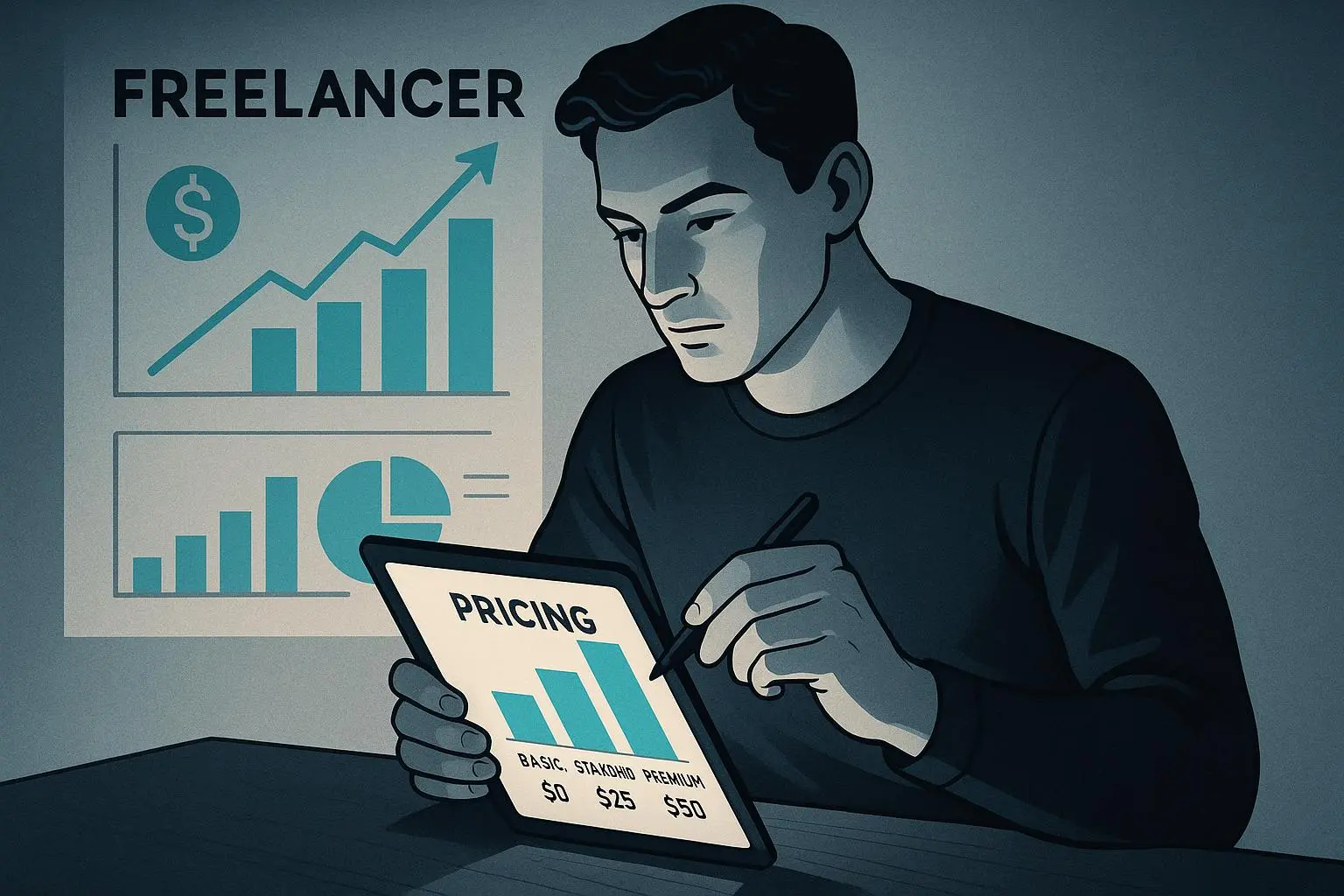
Price smartly with the calculator
- Break down costs, show optional add-ons, and present a value-based line: “The expected traffic uplift could reduce ad spend by $X/month.” Transparency reduces pushback.
Add one strong portfolio item and a testimonial
- Don’t flood the proposal with everything you’ve ever done. Pick the best project that mirrors the client’s industry and a short testimonial that proves the outcome.
Preview, send with tracking, and plan a follow-up
- Use the e-sign feature if available. Note when a client views the doc, and follow up within 48–72 hours with a short message that references a specific part of the proposal.
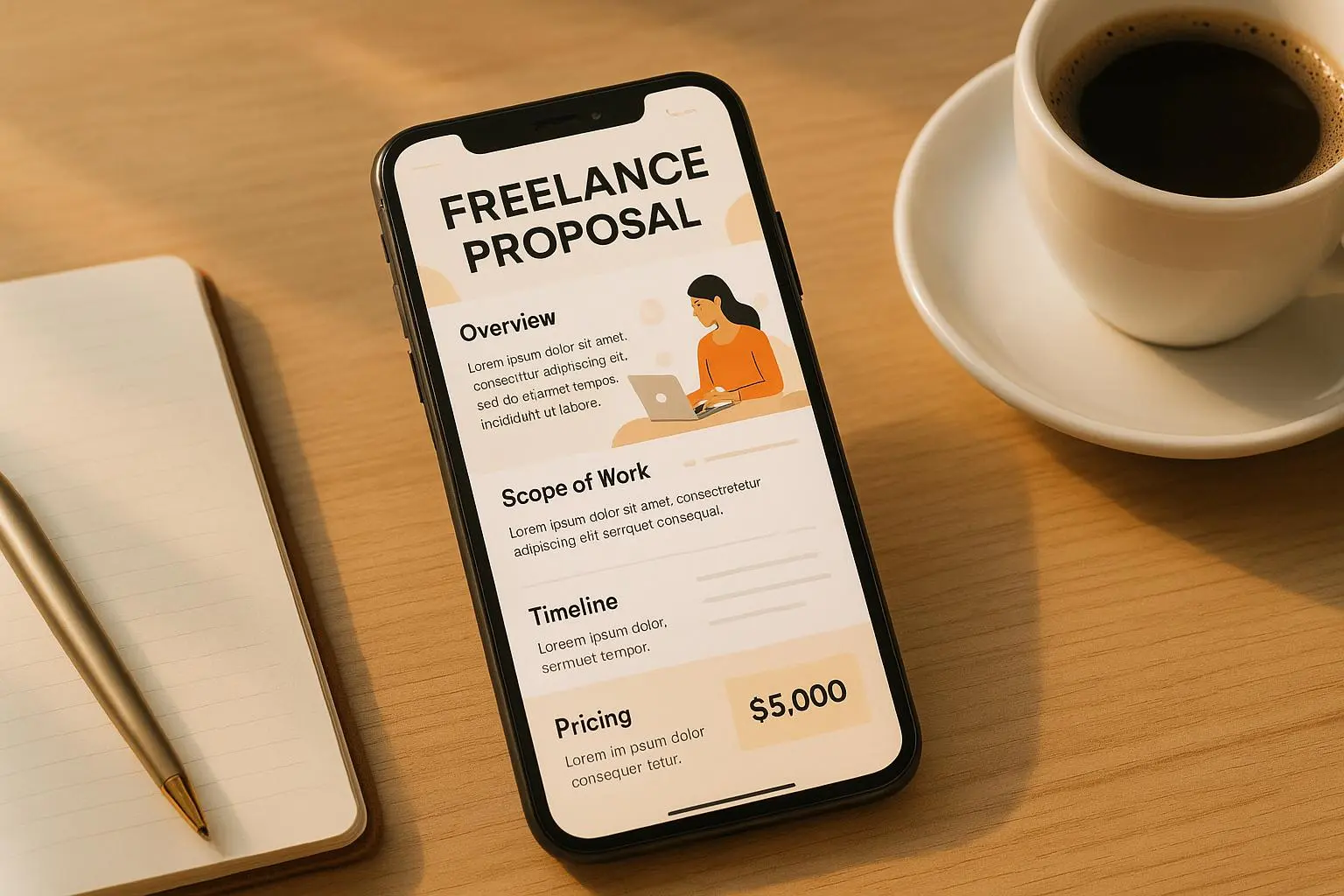
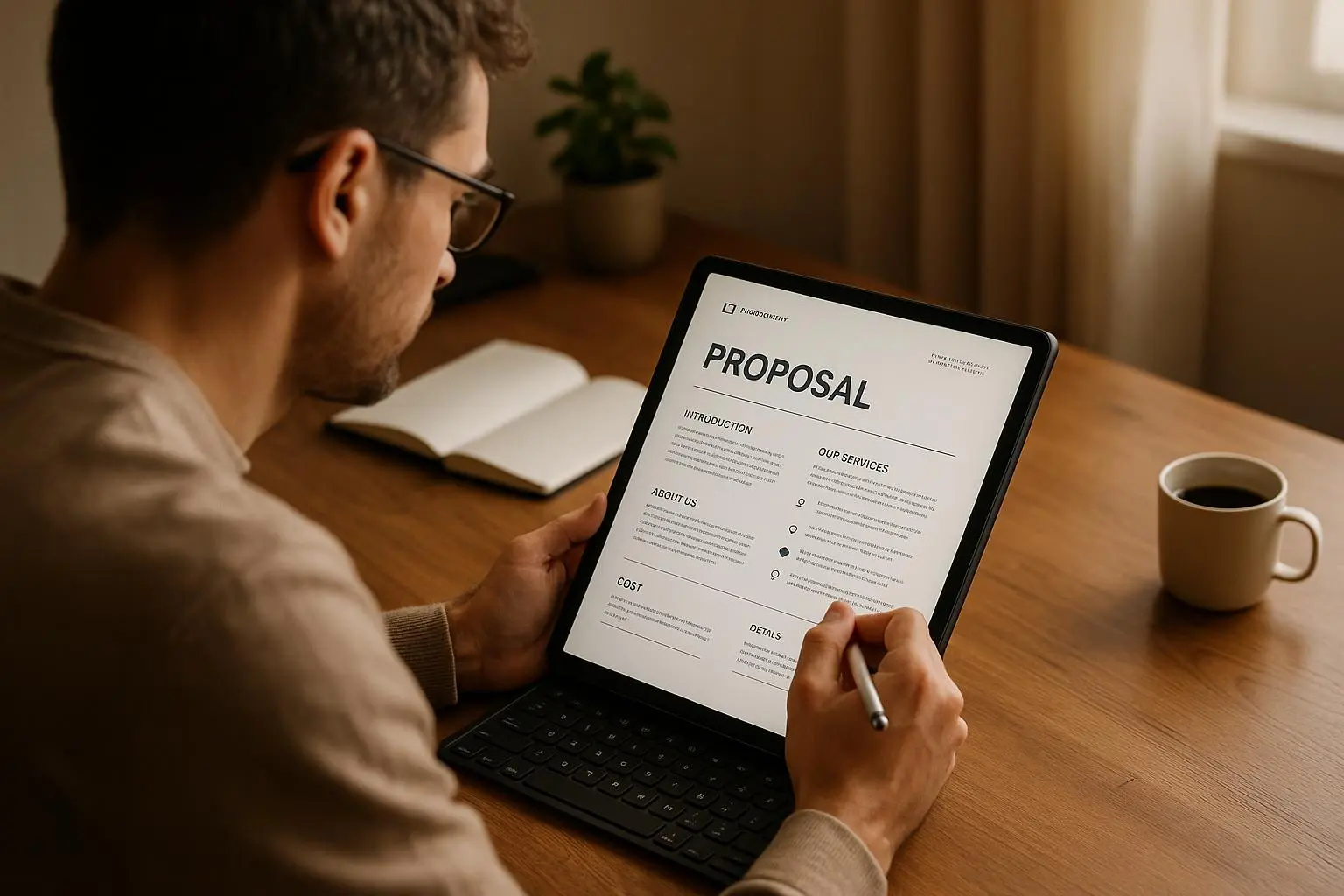
Here’s the layout I use in ProposalGenie: one-paragraph problem, three-bullet outcome-driven solution, timeline (with key milestones), transparent pricing (including optional items), one case study, CTA to sign or schedule a call. Clean, predictable, and persuasive.
Micro-moment: when I preview the proposal on mobile, I always check the first paragraph—if it’s not punchy and obvious on a phone screen, it won’t hook the client.
A real story (what changed when I treated proposals like sales pages)
A year ago I pitched a mid-size e-commerce brand for a site migration and SEO cleanup. Previously I’d sent a technical scope and a number. This time I used ProposalGenie’s marketing template and followed the steps above.
I opened with the client’s KPIs—monthly organic revenue, cart abandonment, and page load concerns. I proposed a phased plan: audit (2 weeks), migration with tracking (3 weeks), and 3 months of SEO optimization with measurable KPI targets.
I used the pricing calculator to show two options: a lean migration and a full-service package with projected incremental revenue. I included one portfolio case study where we increased organic sales 38% in 4 months.
Result: they chose the full-service package at 2.5x my usual retainer. They told me the thing that sold them was the projection I included and the clear timeline—“we finally understand what success looks like,” the founder said in the kickoff call. Conversion from that proposal: 100% signed, project value $27k. Time spent drafting: about 90 minutes. Time saved compared to my old approach: hours.
That’s what happens when a proposal is structured like a sales asset, not a to-do list.
Common pushbacks and how to handle them
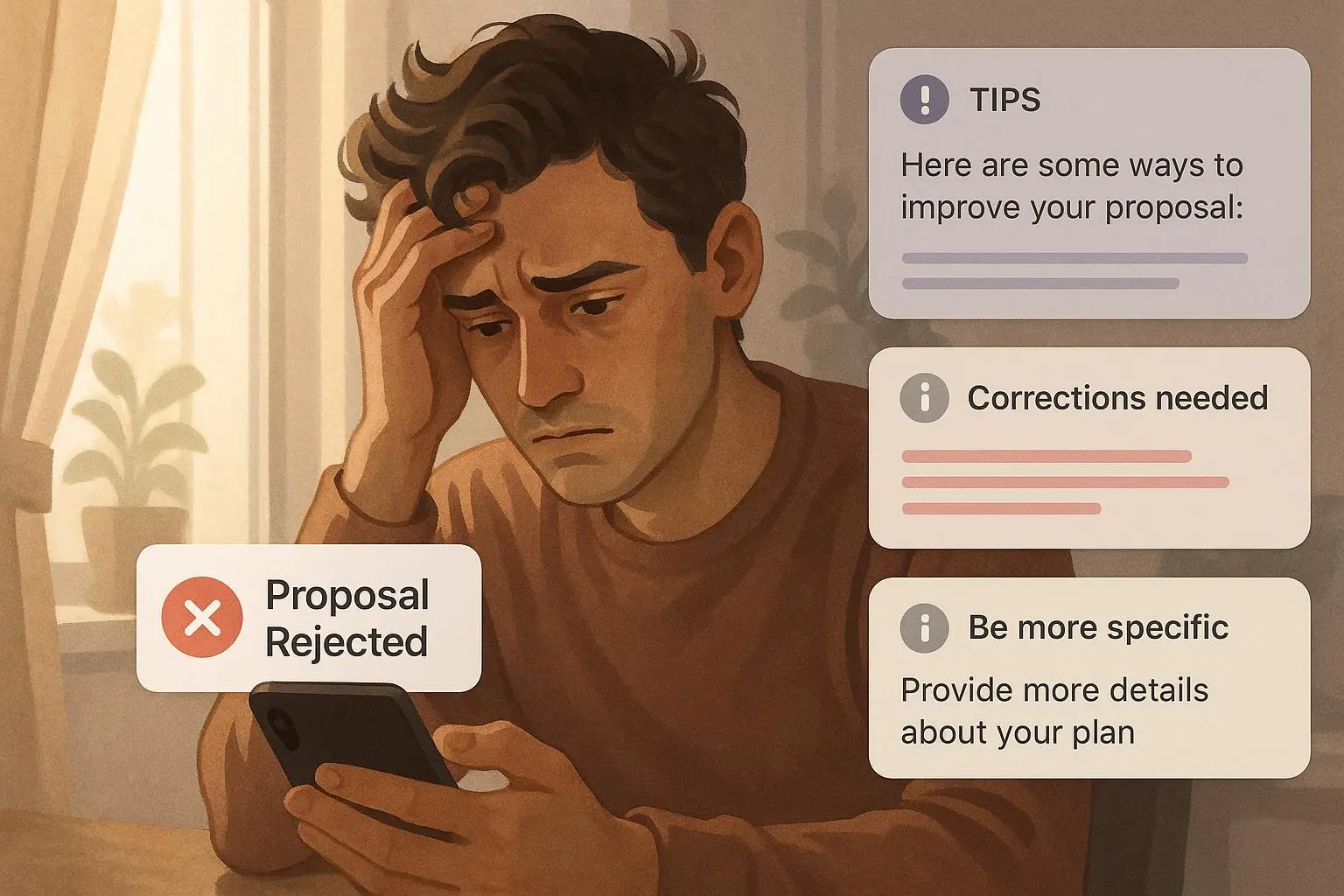
But aren’t templates generic?
- Yes—if you don’t customize. Use the template for structure; add client-specific language in the problem statement and tie deliverables to the client’s goals.
But will it sound like everyone else?
- It will if you leave the fill-in-the-blanks as-is. Rewrite the value statements in your voice. Swap in a single line about the client’s brand or a metric you noticed.
What about price objections?
- Use the calculator to show optional tiers. Include one line about ROI or cost savings. Offer a monthly retainer option that spreads cost while increasing lifetime value.
Is it expensive?
- Higher tiers can cost more, and for solo freelancers that’s real. Think of it as an investment: if a better proposal wins one $20k client, it paid for itself. Several freelancers report improved close rates after switching to structured proposals[3][7].
Small tweaks that make a big difference
- Lead with one KPI the client cares about. If they mentioned revenue, start there.
- Offer two price options (good/better). That removes the “yes/no” trap.
- Include a one-sentence guarantee or risk-reduction statement: “If you’re not seeing initial traffic growth after 60 days we’ll revisit strategy at no extra cost.”
- Keep visuals simple. Clients love a clear timeline graphic; they don’t need 10 pages of design.
When ProposalGenie isn’t enough
If your work is highly creative and your brand voice is everything, you might prefer building proposals from scratch. Some creatives say templates can strip personality. That’s fair. Use ProposalGenie for structure and speed, then layer in your unique voice and a custom case study. The fastest, most repeatable wins come from blending automation with personality[5].
Quick checklist before you hit send
- Problem is specific and client-focused
- Solution shows measurable outcomes
- Pricing is clear with optional tiers
- One relevant case study is included
- Call-to-action is simple: sign or schedule a call
- Proofread and preview on mobile
- Follow-up plan drafted (email in 48–72 hours)
Final thoughts
ProposalGenie won’t replace your judgement, but it will give you a reliable structure that communicates value, shortens drafting time, and reduces the math stress of pricing. Use it to stop guessing and start selling—with proposals that read less like invoices and more like the first step in a smart partnership.
If you implement one thing today: rewrite your proposal’s first paragraph into the client’s language. Do that, and everything else gets easier.