Cleaning Large, Delicate Leaves (Fiddle Leaf Fig, Monstera): A Step-by-Step Guide to Remove Sooty Mold Without Damage
May 30, 2026 • 9 min
If you own big-leaved plants, you know the feeling: they’re dramatic, they’re gorgeous, and they’re a little high-maintenance. The moment sooty mold or mineral spots show up on a Fiddle Leaf Fig or a Monstera, the fear hits—could cleaning ruin those waxy, delicate surfaces? I’ve been there. I bought a towering fiddle leaf fig years ago, and I learned the hard way that you can’t just “wipe it clean” and hope for the best. You need a plan, a careful touch, and the right tools.
Here’s the practical, no-nonsense protocol I actually use. It’s what I wish someone had handed me when I started. And yes, it’s the same approach I teach in videos and tutorials for plant-care creators who want to show real results without misstepping.
Before we dive in, a quick micro-moment that stuck with me: I once moved a monster tall enough to touch the ceiling to the kitchen sink, thinking I’d do a quick wipe-down. The moment I paused, realized I’d left a big gap in the plan, and set up a small step ladder near a plant caddy, everything clicked. The leaves stayed pristine, and cleanup didn’t become a floppy, stressed-out scene. That moment taught me how much the setup matters as much as the solution.
And now, to the actionable stuff you can start using this weekend.
What you’re cleaning and why it matters
- Sooty mold is a film, not a “disease,” but it blocks light. That means less photosynthesis, less vigor. It’s a symptom more than a cause.
- The real battle is twofold: remove the mold and address the underlying pest pressure that produced the honeydew in the first place.
- Waxed or very glossy leaves demand gentler handling; there’s a higher risk of scuffing or micro-scratches that can ruin the aesthetic you’re after.
The exact protocol I trust, broken into simple steps
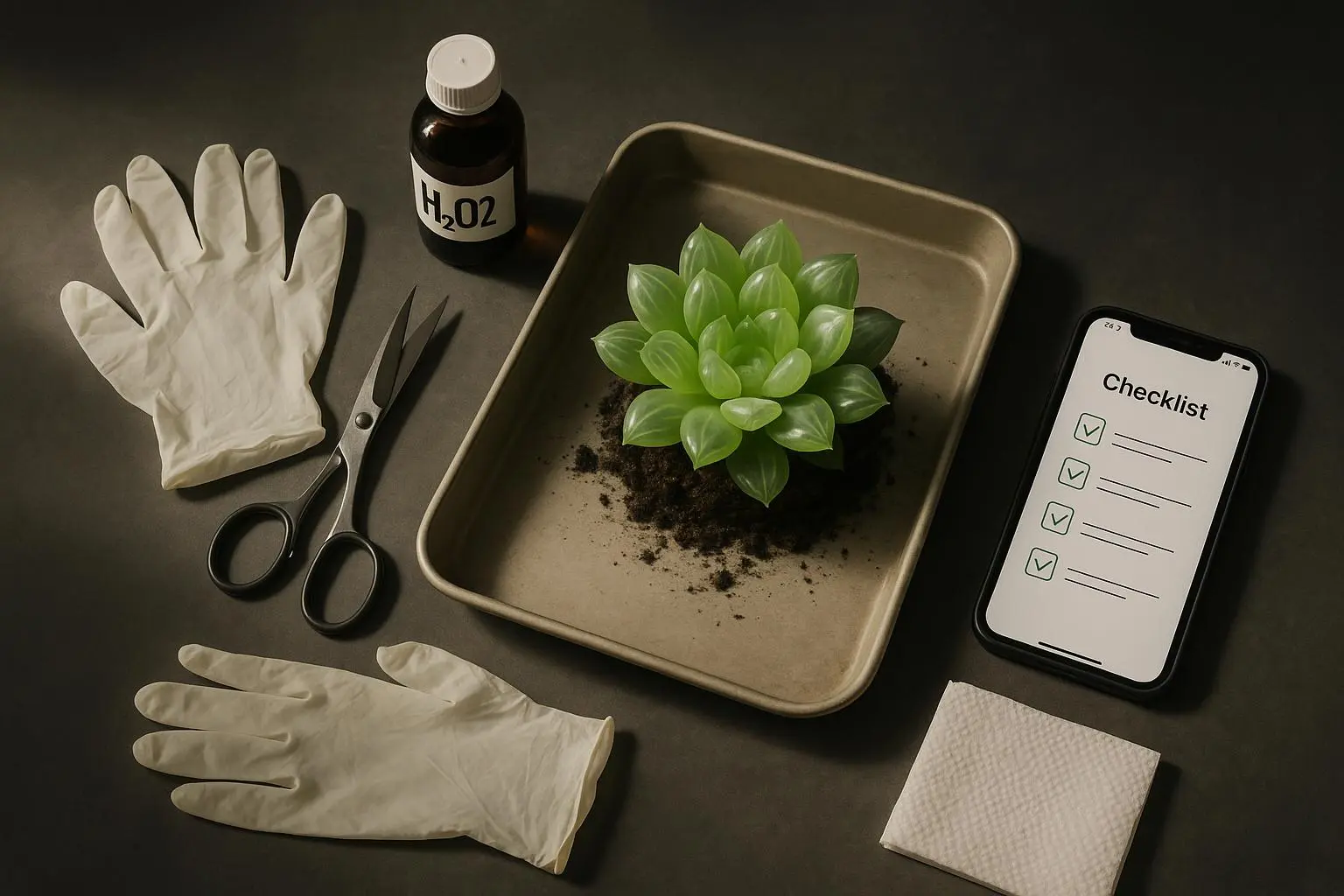
- Gather your tools (keep within reach)
- Microfiber cloths, soft and non-abrasive (two to three)
- A soft toothbrush for stubborn spots
- Spray bottles: one with distilled water, one with cleaning solution
- Distilled water (especially if you have hard water)
- Mild soap solution (a few drops of gentle dish soap in a cup of distilled water)
- Optional: diluted neem oil if you’re also dealing with pests
- A plant caddy or roller cart for big specimens, plus a stable ladder or stool
- Gloves if you want extra hand protection
I’ve found that having a dedicated cleaning station near a sink reduces the drama when you’re dealing with a 6-foot fiddle leaf fig. Microfiber cloths don’t shed fibers, they glide, and you’ll be surprised how much that matters on waxy leaves.
- Do a quick pest check first
- Look under leaves and in the crown for signs of pests: tiny specks of honeydew, webbing, or little scale bodies.
- If you see pests, plan to address them first. Cleaning won’t fix the pest problem by itself, and you don’t want to smear honeydew all over clean surfaces.
I learned this the hard way when I cleaned a fig and then watched the mold return within days because a colony of scale insects had been sitting quietly on the stem. Pest management isn’t glamorous, but it saves you repeat sessions.
- Test a tiny area first
- Pick a leaf edge that’s out of sight but representative (something not on the damndest front). Apply a tiny drop of your mild soap solution on a clean microfiber corner. Wait 24 hours.
- If there’s no whitening, leaf damage, or color change, you’re good to proceed. If there’s a negative reaction, cut back the concentration by half or skip the soap on that leaf life and adjust.
This test is small, but it saves a big heartbreak. Waxier leaves, in particular, can be sensitive.
- Start with a gentle mist and pre-wet
- Lightly mist all visible surfaces with distilled water. Let it sit for about five minutes. This softens mineral residues and can loosen surface debris without scrubbing.
- If you’re cleaning in a space with strong sun or heat, keep the plant out of direct sun while you work to avoid leaf burn.
- Wipe with a mild soap solution
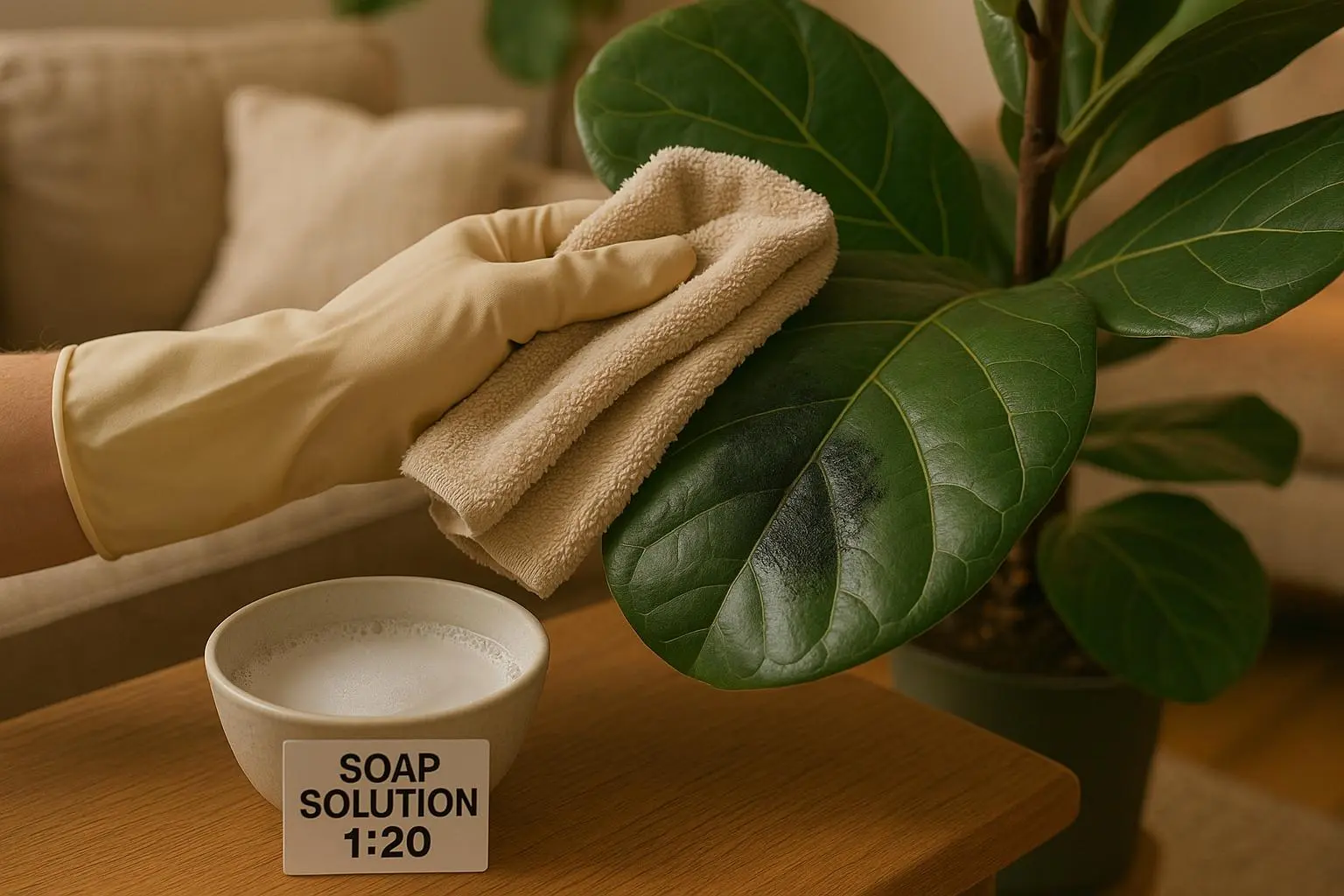
- Mix a mild soap solution at roughly 1:10 (soap:water). Dip your damp microfiber cloth and wring well; leaves should be damp, not dripping.
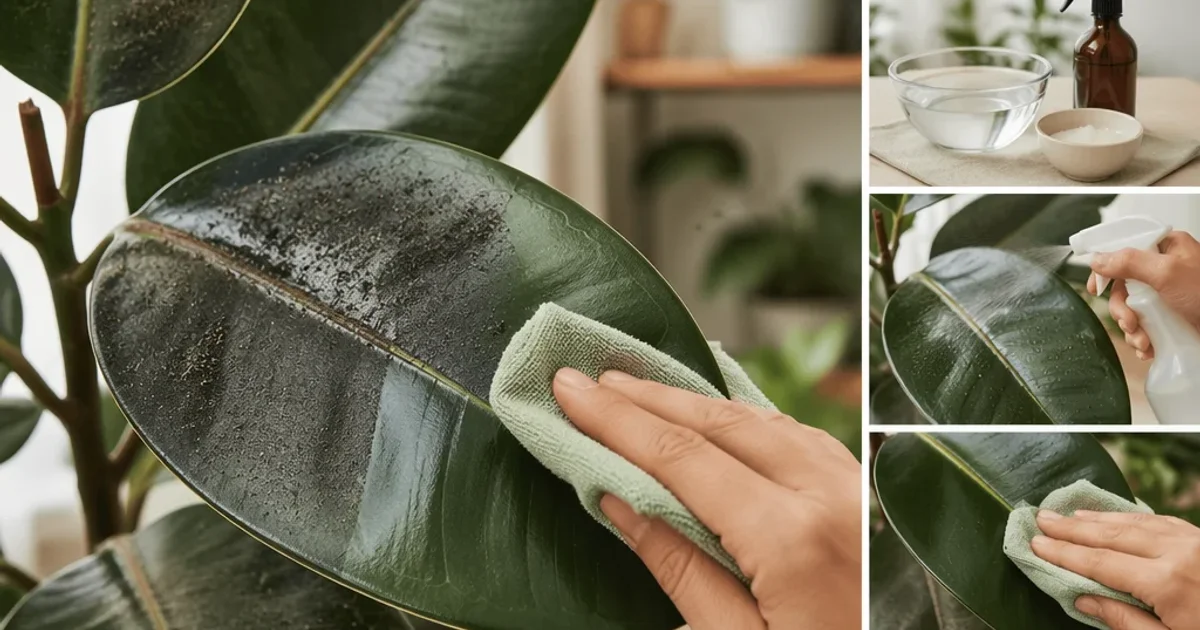
- For normal dust or light buildup: cradle the leaf from underneath with one hand and wipe with the other, top then bottom, following the leaf’s natural grain. Move from the base toward the tip.
- For stubborn sooty mold or mineral deposits: use a soft toothbrush with the same soap solution. Very light pressure only. The goal is to loosen, not scrub. Immediately follow with a clean damp microfiber cloth to remove loosened residue.
- Rinse thoroughly
- This is non-negotiable. Soap residue can clog stomata and impede photosynthesis.
- Rinse each leaf thoroughly with clean distilled water. If your plant is on a caddy, roll it to a sink or outdoors and rinse with a gentle spray. Let the runoff drain away, not back into the soil.
- If you’re cleaning in place, use the spray bottle with distilled water to rinse each leaf until there’s no soap film left.
- Timing and environment
- Don’t clean in harsh afternoon sun. If you move outdoors, do it in the morning or late afternoon. Drying time matters—give it 30 to 60 minutes in gentle light before moving it back indoors.
- Keep the room stable and draft-free during the process. Temperature swings after cleaning can stress the plant.
- Integrated pest management when pests show up
- If you found pests, you can integrate pest treatment with cleaning. A dilute neem oil application, after leaves are fully dry, can help curb insect pressure while you clean.
- Use sparingly. Too much oil clogs stomata and can cause new leaf damage. Ventilate well and wear a mask if you’re sensitive to odors.
A note on alternatives
- Some folks go straight for alcohol wipes for spots. Alcohol can be effective on small areas but can also dry out waxy leaves if used too aggressively. I reserve it for spot cleaning after a test and only if the surface is tolerant.
- Avoid chain-store leaf-shine products. They’ll give you a glossy look, but they clog stomata and can smother the leaf’s natural respiration.
A real-world, human moment you might relate to I once had a Monstera with a notorious mineral build-up on the outer edges of its leaves after a season of hard-water watering. I started with the simple mist-and-wipe method, learned to pause and test first, and then I added a soft toothbrush for stubborn spots. The transformation happened in stages: first, the yellowish edge tones faded; second, the leaves recovered that vibrant green glow. The plant visibly regained its bounce. The best part was the day I realized I could film the process without turning it into a tense, chaotic scene. The camera loved the simple, calm routine, and I finally felt confident teaching it.
A micro-moment about a small detail that stuck with me That morning, I realized the simplest detail—the cloth’s dampness. If the cloth is too dry, you’re chasing residue with friction; too wet, you’re guzzling soap everywhere. The sweet spot is barely damp, enough to lift dust and lift off residue without saturating the leaf. It’s a tiny thing, but it makes the whole session smoother and keeps the leaves pristine.
Video-friendly cleaning checklist If you’re recording a tutorial, here’s a clean, scroll-ready checklist to show viewers:
- Inspect plant for pests (undersides of leaves, stem junctions)
- Move plant to a safe, well-lit area (or prepare a caddy and ladder)
- Gather tools (microfiber cloths, soft toothbrush, distilled water, mild soap)
- Test soap solution on a small leaf area (24-hour check)
- Mist leaves with distilled water; wait 5 minutes
- Prepare soap solution (1:10) and dampen cloth
- Wipe top and bottom surfaces, cradle from underneath
- Use toothbrush on stubborn spots with light pressure
- Rinse leaves with distilled water until soap-free
- Dry leaves with a clean cloth
- Return plant to its location
- Capture before/after photos for your audience
A downloadable one-page cheatsheet This is exactly what creators want: a concise, printable guide that sits next to your filming setup. LARGE-LEAF PLANT CLEANING PROTOCOL
- Tools: Microfiber cloths, soft toothbrush, spray bottles, distilled water, mild soap
- Steps: Inspect for pests; move plant safely; mist; test; wipe; brush; rinse; dry; monitor
- Cautions: No abrasives; avoid aggressive leaf shine; avoid direct sun while cleaning
- Pest treatment: If pests present, apply neem oil after leaves dry
- Maintenance: Clean monthly to prevent buildup
Cautious tips to remember
- Waxier leaves demand extra gentleness. The waxy coating is protective, but it can mask damage and trap moisture if you push too hard.
- Don’t rush the rinse. Soap residue is a sneaky problem; thorough rinsing saves you trouble later.
- Combine cleaning with pest inspection. If pests keep coming back, cleaning won’t cure the root cause by itself.
Maintenance cadence that makes sense
- Monthly light cleaning is enough for most homes.
- If you’re dealing with persistent mold or heavy mineral buildup, step back and review your watering and humidity patterns.
- Use the pest inspection as a recurring ritual. Early detection makes treatment simpler and less risky to leaves.
A word on the broader care picture
- Light is king. The more light leaves get, the happier they are, and the less likely you are to see mold or mildew take hold.
- Humidity matters. Moderate humidity helps plants recover after cleaning, but avoid overly damp, stagnant air that can foster mold growth.
- Consistency beats intensity. A steady routine—light cleaning, pest checks, and moisture management—produces better long-term health than occasional heavy scrubs.
Video and creator notes If you’re making a tutorial, lean into storytelling: what surprised you, what failed the first time, and how you adjusted. The audience will connect with real mistakes and real fixes. For the big plants, show your setup—how you position the ladder, how you cradle a leaf, how you rinse. Viewers want to see the care you take, not just the math of the solution.
Safety and testing reminders
- Always test any solution on a small area first. If you notice whitening, discoloration, or leaf drop, stop and reassess.
- Wear gloves if your skin is sensitive to detergents. The left hand holds the leaf, the right hand wipes; you’re in control when you’re deliberate.
- Ensure good ventilation when using neem oil or any essential oil blends.
A short note on testing and sources
- I pulled practical steps and cautions from a range of plant-care sources and my own field notes, then simplified them into a working protocol that’s friendly for both beginners and content creators. The aim isn’t to reinvent the wheel but to make it safer and more reproducible for large-leaf plants.