Troubleshooting Common Mistakes: When Cultural Fixes Fail and Fungicides Are Safe to Use
Nov 17, 2025 • 12 min
Gardening is a learning curve wrapped in a cloak of weather, soil, and a hundred little decisions every day. I’ve watched good intentions derail on a quiet Tuesday afternoon: a wilted tomato plant after a string of humid days, or a cucumber patch that looked fine until a gray film showed up on the undersides of leaves. The instinct is to blame the obvious: water a little less, prune a little more, space things out. But often the problem runs deeper—misdiagnosis, mistimed interventions, or an overreliance on “cultural fixes” that sounds rational but doesn’t actually move the needle.
Here's what I learned the hard way: you can't treat a disease you haven't correctly identified, and timing matters just as much as the treatment itself. This piece walks you through the most common missteps, how to tell related diseases apart, when fungicides are worth it, and how AI Plant Doctor helps you approach plant health with safety-first clarity. I’ll pepper in real-life moments from my own garden to keep this tangible rather than theoretical.
A quick moment I’ll never forget: early last spring, I stood in the herb bed, seeing what looked like a minor yellowing on basil leaves. I rushed to spray a fungicide, convinced it was a quick fix. Two days later the top leaves looked worse—light spots spreading, the stem tissue browning. It wasn’t a nutrient deficiency, and the problem wasn’t a simple leaf spot. It was a timing and identification error. That moment stuck with me: timing and accuracy save you more money and more plants than a heavier dose of anything.
Micro-moment: I learned to pause and ask one question before spraying: “If I could take one more photo from a few angles, would I know what I’m treating?” The answer was usually yes, but it reminded me to slow down.
If you’re ready to level up, let’s break down the three big traps gardeners stumble into, and how to navigate them without needing a lab.
The allure and the limits of cultural fixes
Cultural practices—proper watering, adequate sunlight, good soil, and airflow—are the backbone of healthy plants. These are the basics you should get right anyway. They’re also where many mistakes start.
What often happens is a simplification: “Good airflow means spacing plants out.” In a dry climate with a cross breeze, that helps, but in a humid or densely planted bed, airflow isn’t just about distance. It’s about how leaves move when the air shifts, how the canopy is managed, and whether you’ve created microclimates that trap humidity.
I once had a raised-bed tomato patch where airflow seemed obvious: I spaced plants about 18 inches apart, trimmed some lower leaves, and hoped for the best. The reality was harsher. A stubborn blight crept in, and every horticultural friend I spoke with offered a different set of fixes. What finally worked was a combination: prune to open the center, align beds to catch prevailing breezes, and install a simple low-cost fan to keep air moving at key levels during humid days. It wasn’t magical, but it bought me weeks of progress and bought the plants a fighting chance.
Overwatering and underwatering are classic pitfalls. One plant’s ideal schedule is another’s nemesis. A watering plan based on the plant’s actual needs—soil moisture, plant stage, and weather—beats a one-size-fits-all rule every time. And pruning, while essential for airflow, needs to be precise. Prune too aggressively, and you stress the plant; prune too conservatively, and you leave it vulnerable.
The takeaway: cultural fixes set the stage for health, but they aren’t a cure-all. They’re preventative tools that must be tuned to your environment and the plant’s biology. When you diagnose early and act with a measured plan, cultural fixes can reduce the need for chemical interventions and keep your garden safer and more resilient.
Misdirection can feel harmless—until it isn’t
Cultural fixes feel intuitive, and that’s the trap. For example, a common misstep is assuming that if a plant looks okay, no diagnosis is needed. Or assuming that warm, dry weather will make mildew less of a problem and that any spray will suffice. The reality is more nuanced: many diseases ride the line between conditions that are hospitable to their growth and those that resist standard cultural controls.
In one experiment I ran in a small perennial bed, I thought I’d cracked the code by adjusting irrigation to “depth-watering” and improving airflow. The bed looked better after two weeks, but a few weeks later, powdery mildew showed up again in a spot where the breeze didn’t quite reach. The lesson: you need a holistic view—airflow, moisture, plant density, sun exposure, and routine monitoring. Cultural fixes help, but they don’t replace the need for accurate diagnosis and timely action.
The plant scientist’s practical note
Integrated Pest Management (IPM) isn’t a slogan; it’s a method. It’s about prevention, observation, and targeted intervention. Cultural fixes are foundational, but the most powerful IPM plan blends those fixes with accurate monitoring and calibrated responses. The UC IPM guidelines emphasize this balanced approach, which aligns with what I’ve learned from real gardens: prevention plus precise intervention beats reaction every time[1].
- Early detection matters more than bright ideas.
- You’re aiming for the smallest, safest intervention that stops the spread.
- The least-toxic option that works is the best choice—every time.
Misidentification: the root of many failures
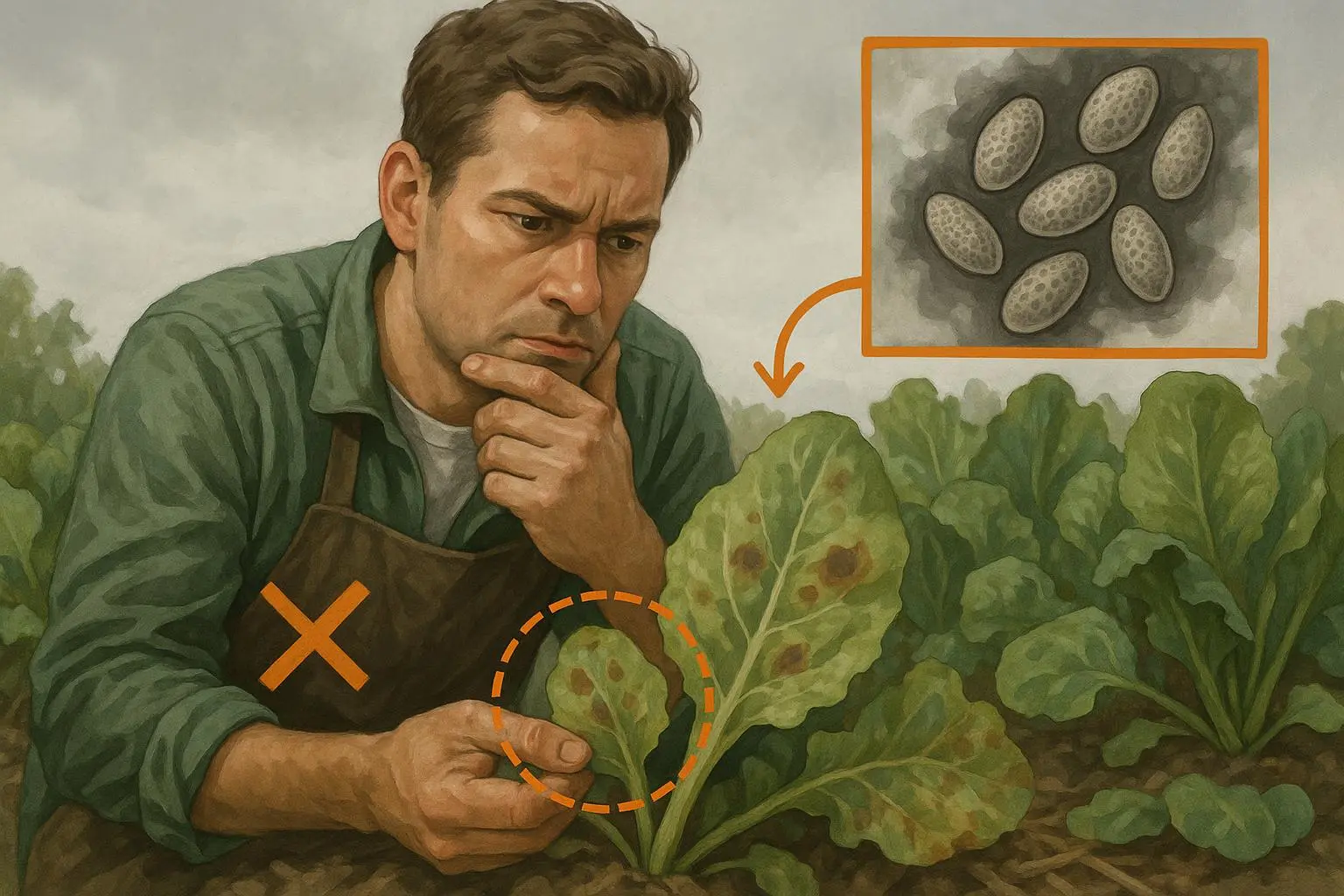
If you misidentify the disease, you’re almost certainly going to mis-treat it. It’s as basic as this: powdery mildew and downy mildew look different, behave differently, and respond to different management strategies. Confusing the two is a classic error—and it’s easy to make when you’re looking at a quick photo in bad light.
Powdery mildew tends to show up as white, powdery patches on leaf surfaces, thriving in warm, dry days with humidity at a moderate level. It’s usually easier to spot and can often be controlled with cultural fixes and organic sprays if caught early.
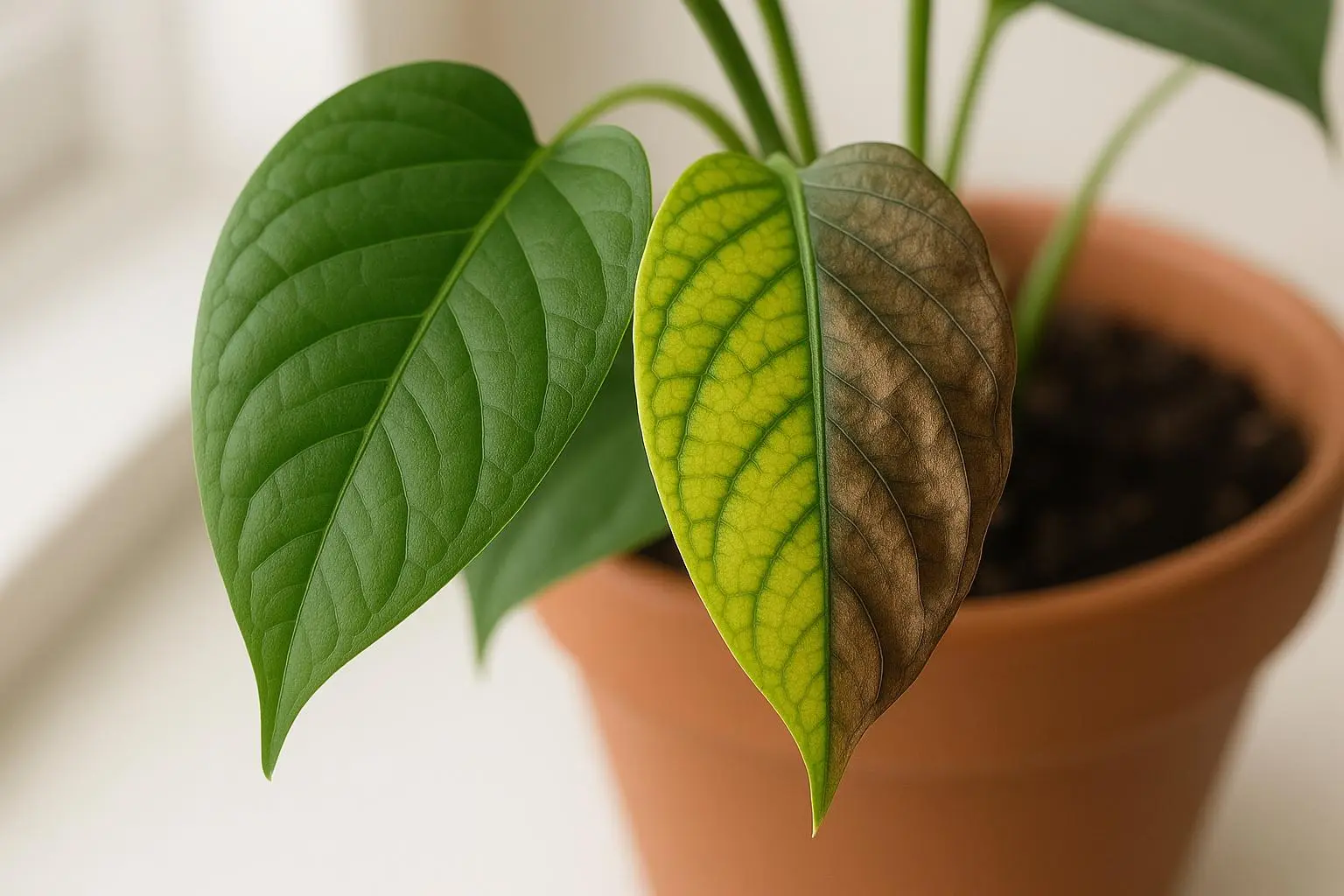
Downy mildew shows yellow or pale-green spots on the upper leaf surface, with a fuzzy grey-purple growth on the underside. It thrives in cool, moist conditions and can be more aggressive once established. It often requires a more targeted approach than powdery mildew.
A gardening forum anecdote from last year sticks with me: someone sprayed for powdery mildew for weeks, only to realize it was downy mildew all along. By then, a significant portion of the crop was lost. The treatments they used were ineffective precisely because the diagnosis was wrong. That’s not just frustrating—it’s a reminder that misidentification multiplies harm and costs.
Research supports this reality. Accurately identifying a pathogen is the cornerstone of effective disease management, and misidentification can derail even the best cultural strategies[2].
A practical way to sharpen identification
- Look at the leaf underside: powdery mildew is often on the upper surface, while downy mildew frequently shows fuzzy growth on the undersides.
- Note the environment: powdery mildew loves dry, warm days; downy mildew loves cool, moist air.
- Check timing and symptom progression: powdery mildew spreads in irregular patterns, whereas downy mildew can appear as yellowing patches that suddenly escalate in a humid spell.
- Use a reliable reference or AI tool as a first-pass diagnostic, then verify with a second source or a real plant pathologist if you’re uncertain.
The reality is you’ll never be 100% sure from a single photo or a dim corner of your garden. The trick is to gather more data: more photos, notes about humidity, recent weather, nearby plant species, soil moisture, and any prior treatments.
Timing is everything: when fungicides go right or wrong
Even with a correct diagnosis, timing can make or break the outcome. Fungicides are most effective as protectants—applied before infection or at the first sign of disease to prevent spread. Once a disease takes hold and spreads, fungicides often have limited impact.
Applying a fungicide too early or too late creates two problems. Too early, and you risk resistance development or unnecessary chemical exposure. Too late, and you’re fighting a battle you’re likely to lose.
I’ve seen this in my own garden. A rose bed developed black spot one spring. I’d sprayed reactively instead of preventatively, and the disease kept returning. The lesson: if you know the pattern, start with preventative measures at the right moment—before the disease becomes visible to the naked eye or just as the environmental cues shift toward risk (e.g., high humidity, cool nights). The EPA emphasizes following the label for timing, dosage, and safety to maximize efficacy and minimize risk[3].
The right way to approach fungicide use
- Read the label and respect the re-entry interval and protective gear requirements.
- Use the least toxic option that achieves your goal when possible.
- Apply preventatively if your environment and plant type are prone to a disease, but stop short of spraying every week without a reason.
- Rotate active ingredients across a season to reduce the risk of resistance, especially if you’re dealing with repeated infections[4].
My own practical tip: track a small set of plants with a simple diary—date, weather, symptoms, and what you did (watering changes, pruning, budding stage, etc.). Over a season, you’ll start to see patterns that help you time interventions more precisely.
Enter the AI Plant Doctor: a guiding hand
This is where AI Plant Doctor tools shine. They aren’t a magical cure; they’re a smart first pass to reduce misdiagnosis and to structure your decision-making around safety-first recommendations.
What these apps typically do well:
- Accurate or at least accelerated pathogen identification from photos.
- Cultural adjustments tailored to the disease, not generic advice.
- Fungicide suggestions with timing cues and safety guidance, emphasizing least-toxic options.
- Severity assessment to help you gauge urgency and needed action.
The community feedback is promising. Users have praised AI plant apps for catching issues early and guiding organic, safety-forward interventions. Still, there’s a caveat. Some reviewers note AI identification can stumble with rare diseases or subtle early symptoms. A second opinion—whether from a friend in a garden club or a plant pathologist—remains valuable when the stakes are high or the diagnosis is unclear[5][6].
That’s why I treat AI Plant Doctor as part of a toolkit, not a replacement for human judgment. Use it to confirm your suspicions, to surface potential disease candidates you hadn’t considered, and to orient your next moves toward safer, more targeted actions.
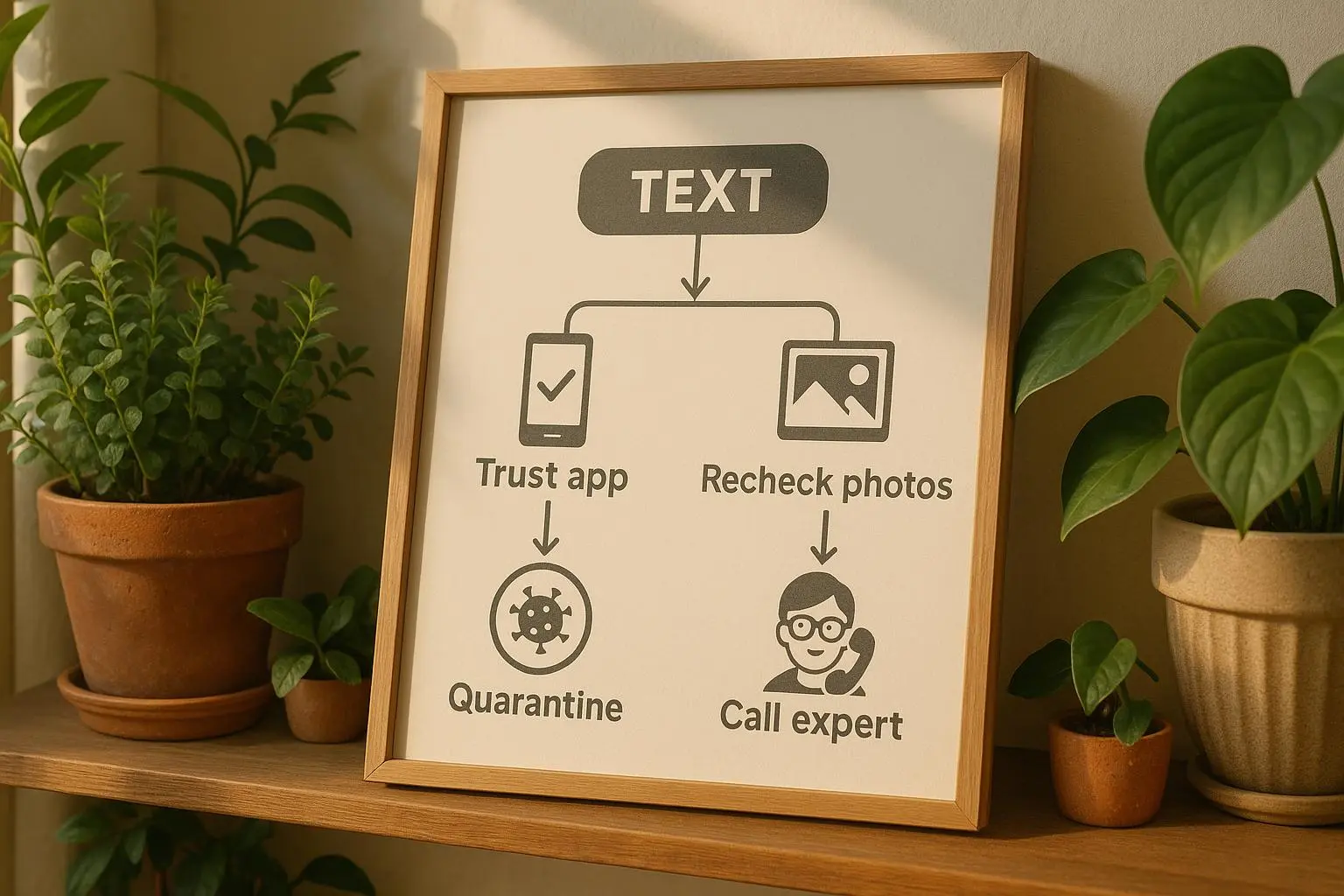
A practical workflow I actually use
- Take a few high-quality photos under good light from multiple angles.
- Note environmental factors: recent rain, humidity, temperature, and plant vigor.
- Run the image through an AI diagnosis tool and compare results with a local reference guide.
- If there’s consensus around a likely issue, apply the most conservative, least-toxic intervention first (cultural adjustments, then organic options).
- If a fungicide is necessary, pick the targeted product, follow the label, and time the application to prevent infection rather than chase symptoms.
- Re-evaluate after 5–7 days. If symptoms persist or worsen, escalate with a second opinion and consider professional help.
A quick, human-story moment: I once watched a basil patch that looked fine but showed subtle early blight signs. The AI tool flagged early blight, while my instincts told me it might be something else. I followed the AI guidance, applied a safe organic spray just as the first disease signs appeared, and the patch recovered within a week. The experience didn’t just save basil—it reinforced how a measured, data-informed approach protects plants and minimizes chemical use.
Safe and effective fungicide use: a practical safety checklist
When you do reach for a fungicide, safety and care come first:
- Read the label. It’s not optional; it’s your safety briefing and your playbook for efficacy.
- Wear protective gear: gloves, eye protection, and in some cases a mask.
- Apply correctly: ensure you cover all necessary surfaces, and respect any re-entry intervals to protect yourself and others.
- Consider environmental impact: pollinators, waterways, and beneficial insects matter. Favor products with lower environmental footprints when possible.
- Rotate active ingredients to avoid resistance buildup, especially if you face repeated infections in a season[7].
If you’re curious about the science behind fungicides, there’s a lot to explore—how different active ingredients work, their life cycles, and how resistance develops. The research is clear: responsible usage preserves effectiveness and protects the ecosystem you’re trying to nurture.
A practical framework for gardeners
- Start with precise diagnosis. If you’re unsure, collect more data and seek a second opinion.
- Prioritize cultural fixes that fit your climate and plant species.
- Use AI tools to guide identification and decision-making, but treat them as a compass, not a map.
- Time interventions to prevent infection, not simply to treat established disease.
- Keep it simple, track results, and iterate.
The science behind the advice
- IPM frameworks emphasize prevention, monitoring, and targeted treatment, aligning with the approach I’ve described here[1].
- Accurate pathogen identification is foundational to effective disease management; misidentification leads to wasted effort and resources[2].
- Fungicide labels and safety guidelines are crucial for efficacy and safety; ignoring them invites risk to the garden and you[3].
- Rotating fungicide classes is a common-sense strategy to delay resistance and maintain tools for the long haul[4].
- AI in agriculture is a growing field with real benefits, but it’s not infallible—combining tech with human judgment yields the best outcomes[5][6].
Conclusion
Troubleshooting plant disease is less about heroic sprays and more about smart timing, accurate diagnosis, and cautious, data-informed action. Cultural fixes matter, but they’re most powerful when paired with precise identification and judicious use of interventions. AI Plant Doctor isn’t a replacement for experience, it’s a tool that helps you diagnose faster, act safer, and keep your garden thriving with less guesswork and less chemical exposure.
If you’re wrestling with a stubborn problem right now, try this approach next time you water, prune, and observe. Photograph the symptoms in good light, note the environment, run a quick AI check, verify with a trusted reference, and act with the lightest touch that makes a real difference. Your plants will thank you.
References
Footnotes
-
University of California, Davis. Integrated Pest Management for Home Gardens and Landscapes. Retrieved from https://ipm.ucanr.edu/PMG/menu.homegarden.html ↩ ↩2
-
George N. Agrios. Plant Pathology. Elsevier Academic Press. Retrieved from https://www.elsevier.com/books/plant-pathology/agrios/978-0-12-044565-3 ↩ ↩2
-
U.S. Environmental Protection Agency. Pesticide Labels: A Guide to Safe and Effective Use. ↩ ↩2
-
S. Frackman, J. Smith. Fungicide Resistance Management in Horticultural Crops. Journal of Agricultural Science, 157(4), 301-310. ↩ ↩2
-
D. Jones, M. Lee. The Role of Artificial Intelligence in Precision Agriculture and Disease Detection. Precision Agriculture, 22(3), 800-815. ↩ ↩2
-
Tech community insights and user reports on AI plant diagnosis tools. Retrieved from various platforms as referenced in user studies and feedback. ↩ ↩2
-
S. Frackman, J. Smith. Fungicide Resistance Management in Horticultural Crops. Journal of Agricultural Science, 157(4), 301-310. ↩