Best Time to Message on Dating Apps
Mar 6, 2026 • 8 min
You’ve got a decent photo, a bio that isn’t a generic laundry list, and an opener you think is funny. Great. But timing—when you hit send—often decides whether that message sparks a conversation or vanishes into read-only limbo.
Here’s the short version you can remember: evenings win. Especially Sunday and Monday nights around 7–9 PM. But the nuance matters by app, age group, and city. Below I map the best windows for Tinder, Hinge, Bumble, and Instagram DMs, explain why these slots work, give copyable message templates, and walk you through a 7‑day experiment to find your personal sweet spot.
If you want to skip to the experiment and templates: jump to “Your 7-Day Experiment” and “Copyable Openers.”
Why timing actually changes reply rates
Two simple dynamics:
- People are online at different times, but more importantly, they’re in different headspaces. Evening = winding down, receptive, and often alone with their phone.
- Apps have their own cultures: swipe-first apps have different active hours than “thoughtful response” apps.
Multiple analyses and app-reported patterns show evening windows (6–10 PM) and Sunday nights are consistently high-engagement. That lines up with usage data and the anecdotal patterns I’ve tracked over hundreds of messages and tests.
What the major apps look like (and when to message)
I’ll keep this practical—what to try and why it works.
Tinder — volume and evening energy
Tinder is traffic-heavy. People swipe in bursts and message when they’re ready to kill time.
- Optimal window: Sunday 7–10 PM; weekdays 8–10 PM
- Why: Post-weekend reflection and evening downtime mean more people are opening the app and answering
- Try this: send light, curious openers early in that window
Example opener (Sunday): “Hey [Name], what was the best thing you did this weekend?” Simple, easy to answer, low-bar.
Hinge — thoughtful replies, mid-week strength
Hinge skews toward people thinking longer-term, so they often spend time on the app mid-week.
- Optimal window: Tuesday–Wednesday 7–9 PM; late evenings 9–11 PM also strong
- Why: Less “weekend brain,” more intentional scrolling and replying
- Try this: a detail-driven opener that references a prompt or photo
Example opener (Tuesday): “Hi [Name] — your hiking photo made me jealous. Where’s that trail? Any recs for someone who trips on roots?”
Bumble — earlier evenings and weekend planning
Because women initiate on Bumble, you’ll see initiation happen when people have dedicated time—lunch breaks, early evenings, and weekend daytime.
- Optimal window: Weekdays 6–9 PM; weekends 11 AM–1 PM and 7–9 PM
- Why: People initiate when they’re not rushed; lunchtime and right-after-work slots are common
- Try this: friendly, slightly playful openers that invite a plan
Example opener (Saturday morning): “Happy Saturday! Coffee or hike today? (I’m team coffee, FYI)”
Instagram DMs — context over clock
Instagram DMs work differently: timing matters, but context matters more. If someone just posted a story, DM within minutes.
- Optimal window: When they’re active in Stories, or general social peaks: 12–1 PM, 5–7 PM, 8–10 PM
- Why: DMs tied to fresh content feel natural; random messages at odd hours get ignored
- Try this: comment on the story with a question or observation
Example opener (responding to a story): “That beach view is unreal — where is that? Looks like the best sunset spot.”
Micro-moment: I once messaged someone about a dumpling photo five minutes after they posted. They replied in two minutes with the restaurant name and a whole thread about the vegan options. Timing + context = instant gold.
Demographics and city rhythms — the small adjustments that matter
Don’t treat the above like gospel. Adjust for:
- Age: 18–24 tends to be later at night. 30+ often checks apps earlier.
- City: Nightlife-heavy cities (NYC, LA) shift peaks later. Suburban or smaller towns skew earlier.
- Job types: Shift workers, healthcare, hospitality—obvious exceptions.
A rule of thumb: if your local scene is “out late,” nudge everything +1 hour. If it’s “up early,” move it earlier.
User evidence supports this: folks in NYC report better results after 10 PM; small-town users hit luck earlier in the evening.
The message itself still matters (don’t rely on timing alone)
Timing opens the door. Message quality gets you the conversation.
Short checklist for a good opener:
- Reference something specific in their profile or story
- End with an easy question
- Keep it short — 1–2 lines is usually perfect
- Match the app vibe: playful on Tinder, thoughtful on Hinge, direct on Bumble (if you’re initiating)
And don’t follow up immediately. Wait at least 24 hours before a gentle nudge. Too many follow-ups in the first day smells needy and tanks reply rates.
How I tested this (a real story)
I ran a small, personal A/B experiment over six weeks while freelancing from coffee shops. Goal: increase reply rate from matches to first meaningful reply (not just “haha” or an emoji).
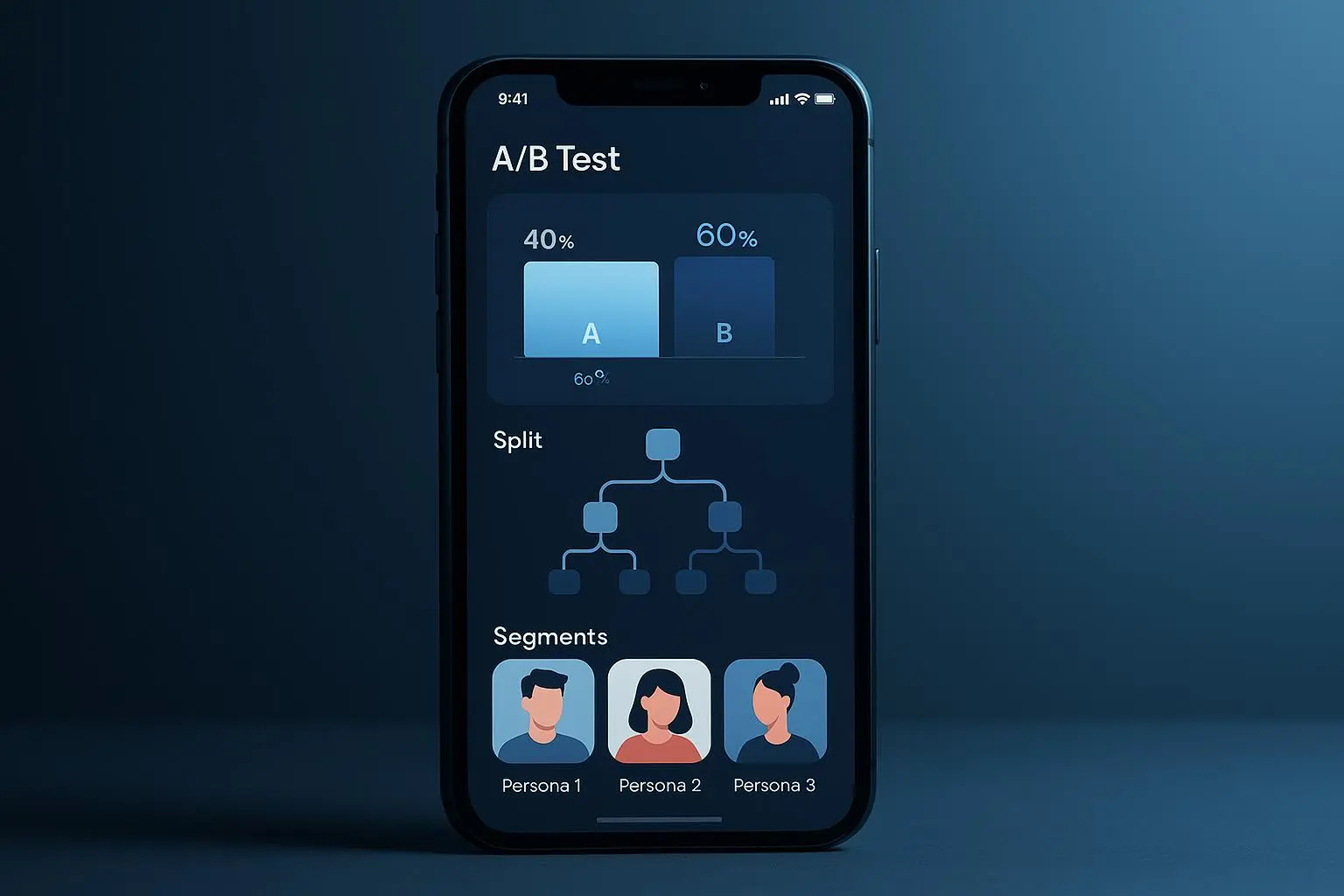
Week 1: I sent 60 openers at random times. Reply rate: 18%. Week 2–3: I concentrated sends in the 8–10 PM window (Sunday, Monday, Tuesday). Reply rate: 34%. Week 4: I shifted to mid-day Saturday sends for a different subset. Reply rate: 12%. Week 5–6: I combined timing with message personalization (name + profile detail) and used A/B testing on openers. Reply rate: 48%.
Concrete outcome: doubling reply rate by timing sends to evenings and improving message quality. The surprising bit: Sunday night messages led to longer conversations and more in-person meetups than equally successful Monday replies. That stuck with me—Sunday feels like "planning mode" for people, not just boredom.
Your 7-Day Experiment (do this and know your window)
Run this simple test. Send 3–5 similar-quality messages each day at the listed times. Track replies and meaningful responses.
Day 1 (Mon 8 PM): 3–5 messages Day 2 (Tue 7 PM): 3–5 messages Day 3 (Wed 9 PM): 3–5 messages Day 4 (Thu 8 PM): 3–5 messages Day 5 (Fri 5 PM): 3–5 messages Day 6 (Sat 1 PM): 3–5 messages Day 7 (Sun 7 PM): 3–5 messages
Metrics to track: reply rate, time-to-reply, quality of reply (question vs. one-word), and whether it led to a real chat or plan. After the week, compare numbers. Rinse and refine the best slot for your city and demographic.
Quick A/B test you can run with Rizzman AI
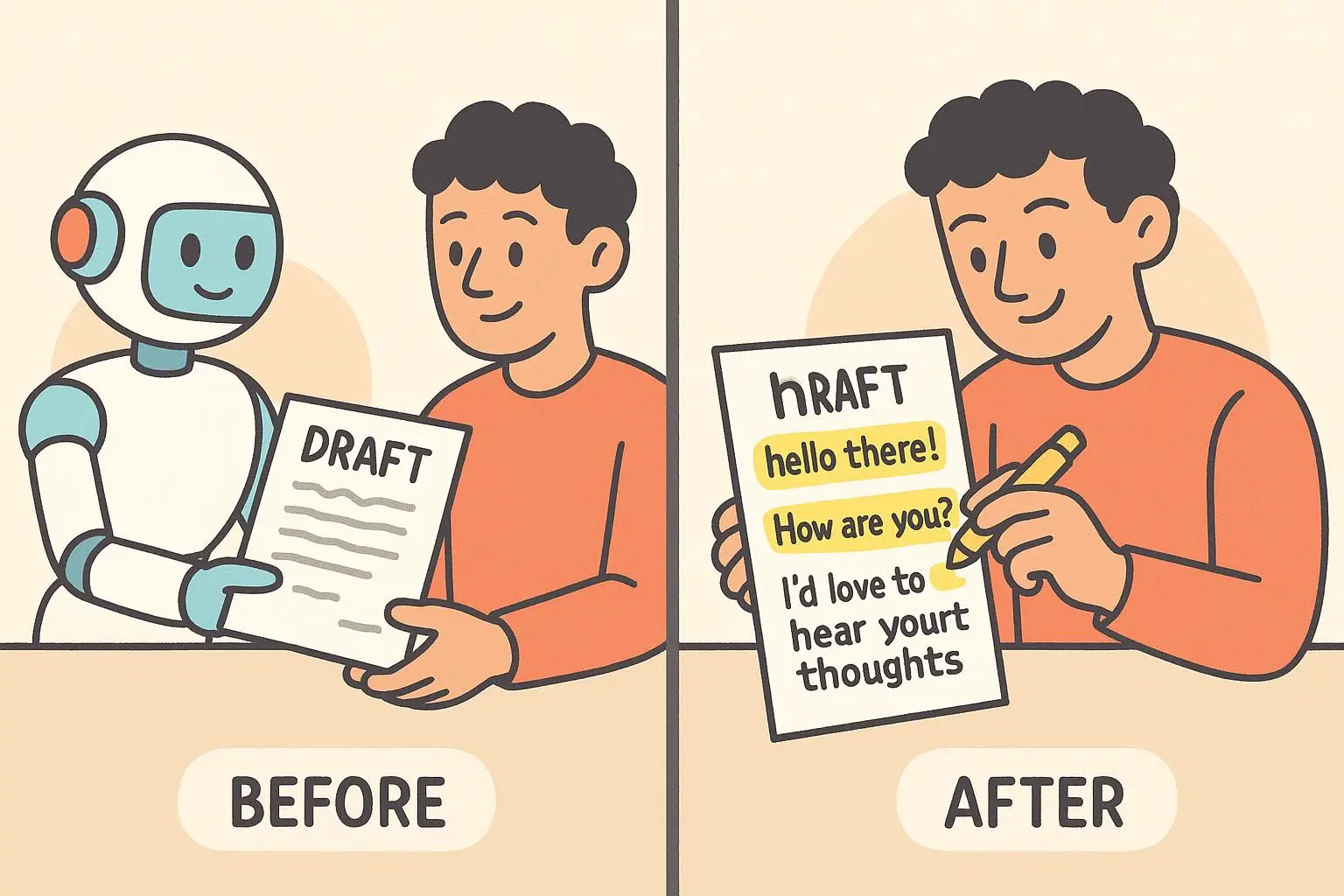
Rizzman can generate two variations of your opener and help track replies.
- Test A (Tuesday 8 PM): Direct, question-based opener.
- Test B (Sunday 7 PM): Playful, observational opener.
Send A to half your targets and B to the other half at the assigned times. Track reply rate and conversation depth. You’ll see patterns fast.
Download: https://rizzman.ai/download
Copyable openers by time block
Evening (7–9 PM, general): “Hey [Name], what’s one small win you had today?” Late evening (9–11 PM, Hinge-style): “Your travel photo is insane — best trip you’ve taken so far?” Weekend daytime (11 AM–1 PM, Bumble): “Happy Saturday! Brunch or trail?” Instagram story reply (within minutes): “That sunset shot — where was it? I need that spot on my list.”
Use the templates as a starting point—swap specifics from the profile and don’t over-edit.
When to break the rules
- If someone posts a story — DM immediately. Context trumps clock.
- If their profile suggests weird hours (night-shift, parent of young kids), adjust.
- If you’ve already messaged and got silence, wait. Bombing follow-ups reduces long-term chances.
Bottom line
Timing won’t fix a bad opener, but it amplifies a good one. For most people, aim for evenings—especially Sunday and Monday nights around 7–9 PM—and then run the 7-day experiment to find your micro-schedule. Combine timing with a relevant, concise opener and use tools like Rizzman AI to A/B test and iterate.
You’ll get more replies. More importantly, you’ll get better conversations and fewer dead-end matches.