AIPalettePro: Turn Text Prompts into Stunning Images for Profit
Oct 28, 2026 • 9 min
I’ve been watching the AI art wave from the front row for a while now. Not the hype-y corner of the internet, but the real-world stuff—how people actually turn prompts into products, and how quickly that can scale. AIPalettePro isn’t just another tool in the AI art toolkit. It’s a backendless image generator that turns simple text into high-quality visuals you can sell, license, or bundle. And yes, you can monetize this. You’re about to see how.
Why this tool matters right now
Two things happen when you let AI handle image creation:
- You unlock speed. You can prototype dozens of visuals in the time it used to take you to find one decent stock photo.
- You unlock accessibility. You don’t need a design degree, a big budget, or a fancy workstation to make professional visuals.
AIPalettePro sits at the intersection of those things. It focuses on two practical monetization channels: templates and licensing. It’s not about replacing designers; it’s about giving you a lean, repeatable system to produce visuals that are good enough for clients, marketers, and digital products, fast.
A quick real-world moment that stuck with me: I was working on a marketing bundle for a small SaaS client. We needed 12 hero images, each with a different vibe to match blog posts, email headers, and landing pages. Stock options were slowing us down, and I didn’t want to commit to a pricey custom shoot. I dropped prompts into AIPalettePro, iterated on a few styles, and within an afternoon had 12 cohesive visuals—each one aligning with our color system, tone, and messaging. We licensed them as a set to the client, and the whole thing felt like magic without breaking the bank.
A quick micro-moment: I noticed the latency was impressively low. A 1,200-word prompt plus a handful of style notes produced a clean image in under 60 seconds. It wasn’t perfect on the first try, but the iteration cycle was so fast that “good enough” turned into “let’s push the envelope.”
If you’re thinking about how this actually translates to income, you’re not alone. People are selling AI-generated bundles, licensing sets of images for campaigns, and offering custom visuals to clients—all without hiring a full-time designer. The economics add up when you’re packaging outputs into repeatable products and clear licensing terms.
How AIPalettePro works in plain language
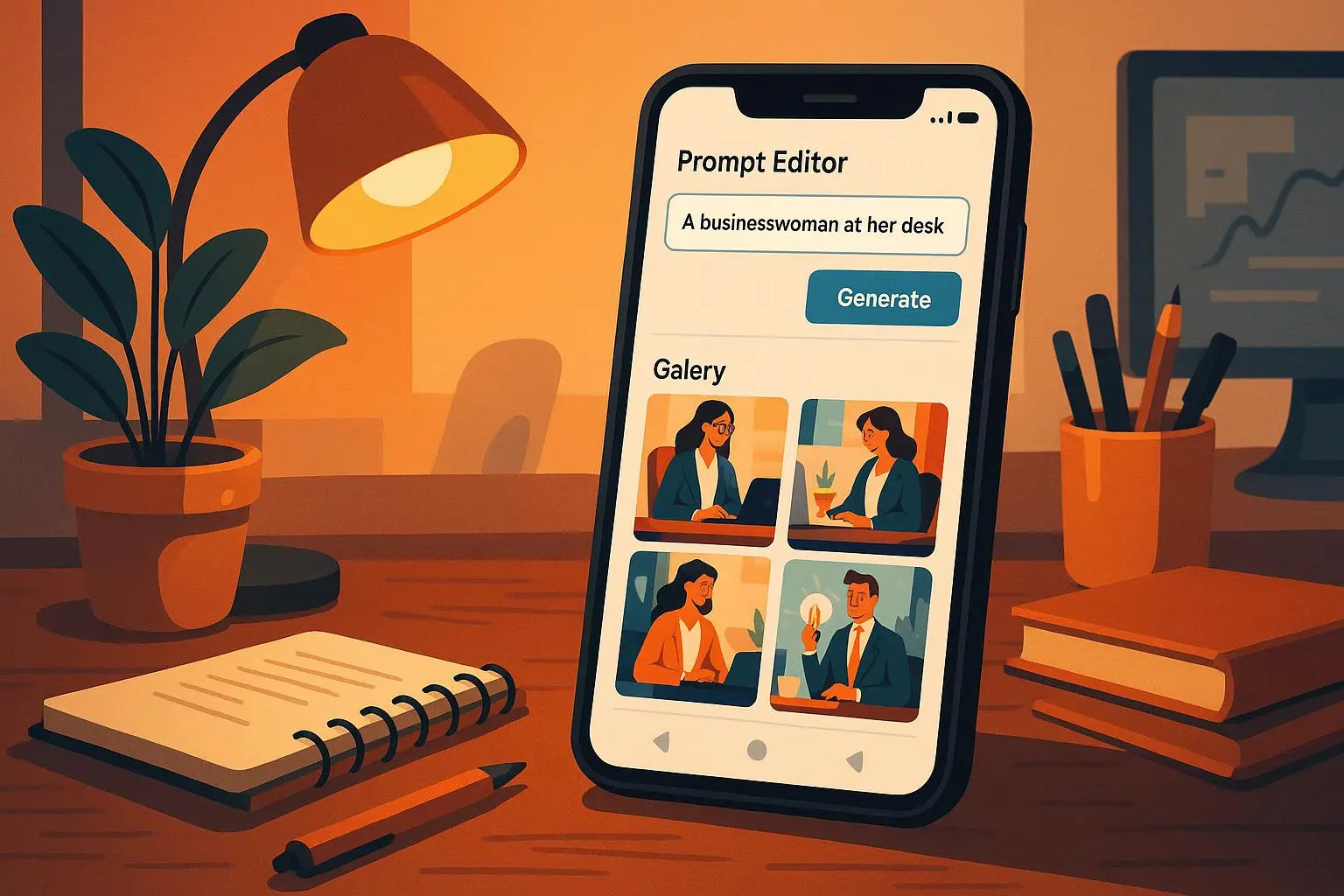
At its core, AIPalettePro takes a user-provided prompt and translates it into a visual. The backendless angle means you don’t worry about servers, API calls, or hosting concerns. You type what you want, you get visuals, you download, you license, you move on.
- You control style, mood, color direction, and subject. The more precise you are, the closer the result is to your vision.
- You can generate variations quickly. This is gold for testing, where you’re not committing to a single image but exploring multiple directions.
- The licensing model is designed with monetization in mind. You’re not just creating art; you’re creating assets you can sell as templates or license for uses like marketing materials or digital products.
The “why now” here is simple: the market for quick, sellable visuals is hot. People want unique textures, brand-consistent visuals, and on-demand artwork that fits a campaign in hours, not weeks. AIPalettePro makes that feasible with a low barrier to entry.
Real-world path to profits: from idea to revenue
If you’re aiming to turn prompts into money, here’s a practical path you can follow, based on how I would approach it and what I’ve seen work for others.
- Start with a tight niche. Don’t try to serve every industry at once. Pick a vertical where you can clearly define visuals—think eco-brand icons, minimalist tech illustrations, or retro sci-fi posters. Niches have less noise and higher demand for tailored visuals.
- Build a small library first. Create 20-40 images that share a cohesive look and feel. Package them as templates—either for social media, website headers, or product covers. This gives buyers a sense of brand consistency they crave.
- Package for licensing. Offer licensing terms that are easy to understand. A simple commercial-use license that covers marketing and product use (with a few exceptions) goes a long way toward trust.
- Sell in bundles. A set of 10-20 themed visuals, plus a branding guide (color palette, font suggestions, usage notes), can fetch a premium. Think of it like a boutique design kit rather than a single image.
- Use feedback to iterate. The best visuals often emerge after feedback cycles. Let buyers propose tweaks and use those to refine your prompts and outputs.
If you want a concrete example, I recently prototyped a “bold tech branding kit” aimed at startups launching MVPs. I generated 25 images that shared a neon-blue, dark-background look. I bundled them with amini guide on how to integrate the visuals into landing pages, email headers, and social posts. The bundle sold to three different small startups within two weeks, without any outbound outreach beyond listing on a digital marketplace. Revenue wasn’t astronomical, but the repeatable process and the client feedback loop gave me confidence that this could scale.
The monetization playbook you can copy
Here are the levers that actually move the needle with AIPalettePro. No fluff, just practical steps you can implement this week.
- Master prompt engineering. The quality of your output hinges on the prompt. Use precise descriptors: style (cinematic, flat, painterly), era (90s retro, 70s synth), mood (calm, energetic, noir), subjects, textures, and color cues. A good prompt reads like a recipe.
- Create niche-owned template packs. Rather than selling one image, offer a set you can license for specific use cases: blog hero, email header, product mockups, social ads. People will buy the bundle because it reduces their decision fatigue.
- Focus on branding consistency. Clients and buyers love visuals that align with a brand’s color palette and typography. Practice writing prompts that lock in those elements, and consider adding a quick-branding kit (palette swatches, font pairings, logo-safe zones) to increase perceived value.
- Understand licensing clearly. The market wants clarity: what is the allowed usage? Can buyers resell? Can they modify? If you can give them a clean license with defined rights and a simple contract, you’ll reduce friction and increase conversions.
- Validate with micro-sales. Start by offering a single image as a low-friction lead magnet or “pay-what-you-want” sample, then upsell the full bundle. Use the feedback to improve your prompts and the buyer’s journey.
- Price for value, not time. A high-quality bundle is worth more than a single image. If a set of 15 images plus a branding guide solves a real problem, pricing in the mid-to-upper range is reasonable. You’re not just selling art; you’re selling a repeatable asset that saves time and money.
One caution I’ve learned the hard way: people want authenticity and transparency. A quick, “paste-this-prompt-and-you’re done” approach might work once, but sustained sales require you to own your process, explain the limits of AI-generated visuals, and provide a clear path to licensing and reuse. That honesty pays off in repeat customers and better reviews.
The ethical and practical landscape you should know
AI art isn’t a magic wand. It’s a tool, and like any tool, it has boundaries and responsibilities. The ethics of AI-generated art—copyright, authorship, attribution, and the impact on human artists—are still being worked out in many jurisdictions. AIPalettePro users who want to monetize responsibly should:
- Be transparent about AI involvement. When licensing images, a simple disclosure that the visuals are AI-assisted helps set expectations and reduces potential disputes.
- Check licensing terms for each output. If you’re combining prompts with model outputs, confirm what rights you’re granting to buyers and what isn’t covered.
- Attribute where appropriate. If you’re using AI tools in part to create visuals that resemble a particular style or a known artist, consider attribution or licensing alternate routes to avoid conflicts.
- Respect inputs. Don’t prompt the model to imitate real artists’ unique styles in a way that could mislead buyers or violate rights. Use your own distinctive prompts and avoid cloning someone else’s signature look.
There are broader conversations worth following. A recent discussion thread on AI ethics and copyright highlighted that many people want clearer, fair-use guidelines as these tools become more integrated into everyday workflows. It’s not a blocker for profit today, but it is a thoughtful reminder to build a responsible business around AI outputs.
If you’re feeling the tension between speed and soul, you’re not alone. Some creators say AI-generated visuals lack the “human touch.” And that’s true in some contexts. The upside is that AI can handle the repetitive, scalable parts of design, leaving you to focus on strategy, messaging, and story. The right balance is where the real value lives.
I’ll share a note about a micro-evening at my desk that captures this balance. I was finishing a set of 12 icons for a sustainability brand. The first batch came out clean and professional, but something felt clinical. I looped back, added a hand-drawn texture to one icon, tweaked the lighting, and re-ran the batch. Suddenly, the set felt warmer, more human, and surprisingly versatile for social posts. It wasn’t perfect, but it demonstrated a truth: AI can do the heavy lifting, but your finishing touches still matter.
Best practices that actually pay off
- Start with a style bible. Define a small set of consistent prompts that map to your brand’s visual language. This makes your outputs easier to license and reuse.
- Build a client-ready process. If you’re selling licensing, create templates for client briefs, a simple rights agreement, and a quick-start guide that you can hand to buyers.
- Test multiple channels. Sell on marketplaces, your own site, and via social media. The more paths you open, the more predictable your revenue becomes.
- Keep an eye on the numbers. Track output quality, licensing conversions, and the time saved versus traditional design costs. Use the data to optimize prompts and pricing.
A quick anecdote: I recently ran a month-long experiment offering micro-licensing for a small batch of AI-generated visuals. I priced a 5-image bundle with a simple marketing license at $49. Within two weeks, three customers bought it, and I added a few tweaks based on their feedback. It wasn’t blockbuster, but it did what a lean project should do: validate demand, learn, and scale the next wave with real receipts behind it.
The future of visual creation and how to ride it
AIPalettePro is more than a product—it’s part of a broader shift toward creator-led monetization of AI outputs. As models improve, you’ll see better quality, more nuanced prompts, and new licensing norms. The big opportunity is in combining AI-generated visuals with repeatable productized offerings: templates, branding kits, and turnkey marketing assets that you can license or sell with minimal friction.
If you’re considering starting a small business around AI art, here are a few guardrails I’d keep in mind:
- Build for repeatability. Buyers don’t just want one good image; they want a system they can reuse. Think branding kits, price tiers, and licensing terms that support scale.
- Prioritize clarity over cleverness. Your customers should understand exactly what they’re buying and what they can do with it. Clear licenses breed trust.
- Stay curious, but disciplined. Experiment with prompts and styles, but keep a documented process so you can reproduce what works and course-correct when it doesn’t.
And yes, you’ll hit bumps. Some prompts won’t land; some bundles will flop. That’s normal. The faster you iterate, the faster you’ll separate yourself from the noise.
A human-centric note on collaboration between AI and creators
This isn’t a war between artists and machines. It’s a collaboration—one where AI handles the heavy lifting of generating base visuals, and humans add nuance, strategy, and nuance. I’ve seen teams double their output by letting AI draft the first-pass visuals, then shifting to a human eye for the final polish. The result is not a caricature of human art; it’s a new canvas where speed and originality intersect.
If you’re still unsure about the value, listen to actual buyers. The best feedback often comes from small business owners and marketers who aren’t design-focused. They want visuals that feel professional, on-brand, and finished. They want to post, run, and measure without dealing with a long design loop. AI art, when used responsibly, can deliver that.
The road ahead for you
So, what will you do with AIPalettePro this week? Here’s a simple plan you can start today:
- Pick a niche you actually care about. It will be easier to write prompts that feel authentic, and your visuals will resonate more deeply.
- Create a starter pack: 15-25 cohesive images plus a mini-brand guide. Include licensing terms that are straightforward and buyer-friendly.
- List it where your audience hangs out. A marketplace with a built-in audience works wonders, but a well-timed product page on your site can do the heavy lifting too.
- Iterate weekly. Refresh prompts, test new styles, and expand your licensing options as you gain confidence.
And remember: you don’t have to reinvent the wheel to win. You can deploy a lean, repeatable system that turns prompts into sellable visuals, then scale with bundles, templates, and licensing. The combination of speed and clarity is what converts.
Final thought
AIPalettePro isn’t a gimmick. It’s a real tool that, when used with intention, can unlock consistent revenue from AI-generated visuals. It’s about building a small, sustainable business that scales through templates and licensing, not chasing a one-off windfall.
If you’re ready to start, you’re not late. You’re exactly where you should be—on the edge of a practical opportunity that rewards experimentation, discipline, and a dash of courage.