Advanced Rizzman Techniques: Optimize AI Disclosure to Maximize Attraction and Trust
Aug 24, 2026 • 9 min
If you’re deep into the Rizzman game, you already know the tool is only as good as how you use it. You can generate flawless opener lines, craft witty replies, and map out micro-conversations. But the real leverage comes from how you disclose AI help—and how you balance efficiency with genuine effort. In this piece, I’m sharing the advanced playbook I’ve tested in the wild: how to tune prompts, segment disclosure by context, and run micro-experiments that actually move response rates and date conversions without turning you into a robot.
And yes, I’ll keep it practical. No abstract theory dressed up as vibes. You’ll get concrete prompts, real-world examples, and a framework you can apply tonight.
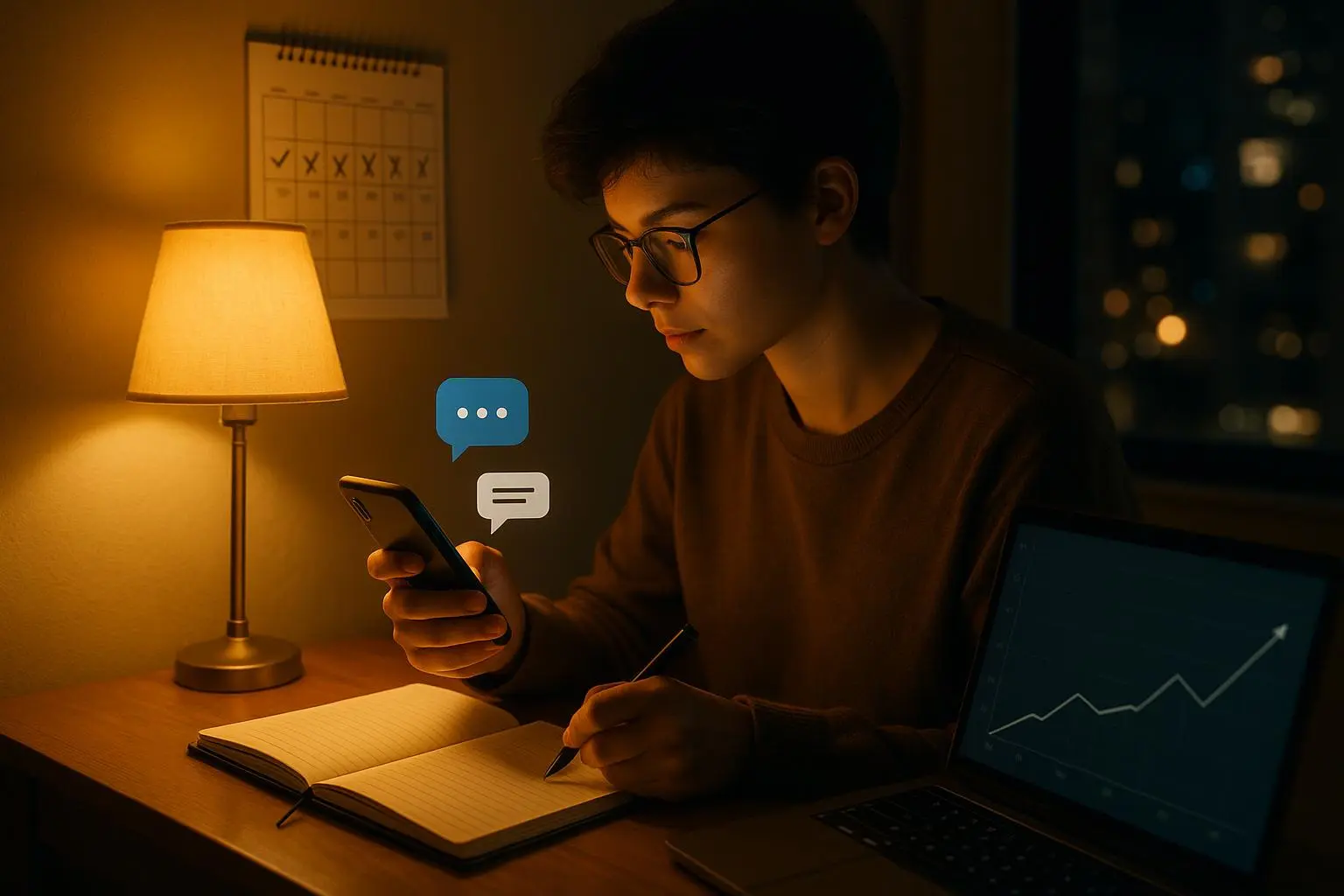
Before we dive in, a quick micro-moment I often notice after a long editing session: the desk clock ticks in a rhythm that reminds me I’m shaping text, not just clicking a button. A tiny detail like the sound of a keyboard tapping or the smell of coffee beans grinding can tilt how "techy" or "human" your messages feel. It’s the little things that signal care. If you want to see a real difference, calibrate your environment to support a more deliberate writing flow. It sounds small, but it matters.
A quick personal note up front: I used to rely on AI for almost every line I sent. It felt efficient, sure, but the conversations often lacked the heartbeat of my actual self. After a few dates where the sparkle didn’t translate to real connection, I started testing a more honest pairing of AI drafts and human touch. The shift wasn’t about ditching AI; it was about using it as a writing coach, not a ghostwriter. The results? More dates that felt true to who I am, with messages that still carry a sharper edge than I could conjure on my own.
Here’s how I line up the strategy now.
How I actually made this work
If you want a system you can deploy without feeling like you’re wearing a mask, you need three things: precise prompt engineering, a clear disclosure strategy, and a disciplined testing habit. Let me walk you through what that looks like in practice.
First, the big tension you’re balancing: efficiency versus authenticity. AI helps you overcome writer’s block, forgives your occasional awkwardness, and helps you avoid the dreaded “Meh, this message reads like it was written by a robot.” But if your partner suspects you’re always leaning on an AI, the vibe can feel transactional rather than relational. The game is to reveal just enough of the human behind the keyboard to spark trust, while using AI to amplify your best traits—humor, thoughtfulness, and a dash of bravura—without substituting your essence.
The way I structure my approach is simple in theory, granular in practice:
- Tier prompts to reflect your actual voice
- Segment disclosure by stage and context
- Run tiny experiments that give you real signal, not vibes
Now the specifics.
Prompt engineering that actually sounds like you
The trap is “Write a witty opener.” The cure is “Draft a witty opener for a profile that mentions a penchant for weekend hikes and sci‑fi marathons, keeping my tone light, a touch sarcastic, and maybe weaving in a shared detail from their profile.” That level of context matters more than you’d think. When the model has a sense of your personality, it stops producing generic punchlines and starts sounding like someone who could actually be you.
Here are two prompts I use as starting templates, tailored to the vibe I want:
- Opener prompt: “Create a witty, friendly opener for a profile that highlights hiking, sci‑fi, and a goofy pun about gravity. The tone is confident but not cocky, with a hint of dry humor. Reference a specific detail from their profile if available, otherwise lean on universal curiosity.”
- Mid-conversation prompt: “Suggest a thoughtful follow-up message that leans into their interest in YouTube cooking shows, while keeping the tone curious and warm. The reply should feel like a natural progression, not a script.”
The trick isn’t to feed the AI a single perfect line; it’s to train the AI on your voice so the output reads like you, but with a cleaner structure and tighter phrasing. If you want a quick win, feed the AI a short “character sheet” for yourself: a handful of adjectives, a couple of quirks, a memory you’re comfortable sharing, and a non-negotiable boundary. The output then reflects your voice more accurately and saves you time editing.
As one of my go-to signals, I keep a living “tone badge” sheet. It’s three columns: tone (friendly, flirty, curious), density (how much detail you want per message), and risk (how edgy you’re willing to go). It’s not fancy, but it saves me from rewriting the same prompt 20 times.
A micro-story from my week last month illustrates the difference. I had a match with someone who put “loves long hikes and indie films” in their bio. I asked the AI to draft three variations of an opener that would feel natural. I picked one that combined a personal memory from a hike last year with a line about a little-known indie film we both might enjoy. The message landed with warmth and a spark of curiosity. She responded quickly, and we scheduled a low-pressure coffee chat. It wasn’t all AI—my own edits added the memory and the playful aside that made it feel alive.
Segmenting disclosure types: not a binary choice
Disclosure isn’t “all in” or “not at all.” It’s a spectrum that you should calibrate to fit the context, your risk tolerance, and the person you’re talking to. I’ve settled on three practical segments you can implement in weeks, not months:
Full disclosure at profile level (early stage, high trust). You lead with transparency to set expectations. Example: “Just so you know, I use a creative AI helper to brainstorm messages. It helps me articulate my thoughts clearly.” This approach signals honesty and tech-savviness. It works best when your profile clearly signals openness to new tech or self-improvement.
Partial disclosure during mid-conversation. You hint at help without naming the tool. Example: “Sometimes I get a little help from a ‘digital muse’ when I’m trying to come up with something clever.” This invites curiosity and creates a natural follow-up conversation about your writing process and values without feeling heavy-handed.
Subtle disclosure as a natural outcome (late stage, established connection). Here the AI is often invisible. Your messages are your own, but the AI contributed small framing tweaks or vocabulary choices you’ve internalized. The disclosure is less explicit, focusing on the genuine effort you invested to craft a thoughtful reply. If the topic comes up, you can say, “I do use a little AI help for drafts, but I always tailor it to who I am and what I want to say.”
I learned this the hard way after a string of dates where my openness felt either too performative or too robotic. The trick is to let the person’s curiosity guide the conversation. If they probe, you share a bit more; if they don’t, you don’t force it. The goal is authentic alignment, not disclosure theater.
A quick anecdote: I once started a match with a relatively explicit full-disclosure opener. It felt brave and a little performative. The other person appreciated the honesty, but the conversation quickly veered into “how do you craft your messages?” rather than “who are you?” By contrast, a mid-conversation disclosure that happened more organically—“I use a digital muse for the clever lines, but I write the warmth”—led to richer dialogue and a stronger sense of compatibility.
Micro-experiments that actually tell you what works
The most underrated part of this work is the discipline of micro-experiments. You’re not looking for a silver bullet; you’re gathering data on what resonates. Here are three simple experiments you can run over a two-week window:
- Experiment A: Openers with subtle AI polish vs. explicit disclosure. Send 50 matches one slightly more polished opener and 50 with a direct disclosure. Compare initial response rates and sentiment.
- Experiment B: Mid-conversation disclosure timing. After three messages vs. after ten messages. See when the other person seems most engaged and when questions start to appear.
- Experiment C: Outcome quality. Track not just response rate, but how conversations progress—do you get to a date, and does the date feel natural and enjoyable?
You’ll be surprised how small changes shift the dynamic. And because you’re measuring, you avoid the trap of relying on vibes alone, which is what most dating advice does.
Dr. Emily Carter, a communication psychologist, puts it plainly: “Humans are wired to appreciate effort. If AI assistance is perceived as a way to avoid effort, it can backfire. If it’s seen as a tool to amplify genuine effort, it can be accepted.” That framing matters more than the disclosure label itself. If you present your AI as a partner in helping you show up more authentically, you’ll usually win more trust.
Balancing perceived effort and honesty
Here’s the heart of it: you want AI to amplify your genuine self, not replace it. The most durable connections happen when the other person experiences you, not a version of you that’s been polished to perfection.
Three practical levers help you keep the balance:
- Active editing. Rizzman gives you a draft; your job is to tailor it. Read aloud, adjust tone, remove cliches, and weave in a memory or a personal quirk that only you would include. This signals effort and care.
- Personalization beyond AI. A sentence that references a shared experience, a trip you took, or a stubborn hobby makes the message feel alive. It’s the human touch that AI can’t conjure, no matter how clever the lines are.
- Strategic vulnerability. It’s tempting to overshare or stay dangerously polished. The sweet spot is small, authentic disclosures—an area where you’re still learning, a moment of growth you’re comfortable sharing, or a boundary you’re clarifying. Vulnerability builds trust if it’s sincerely earned, not contrived.
A TrustPilot-like cautionary tale from the field: “I used to just hit ‘generate’ and send. But after a few awkward dates where I couldn’t live up to the AI’s persona, I started heavily editing. Now, Rizzman is more like my writing coach, not my ghostwriter. My dates feel more real.” The lesson isn’t to abandon AI; it’s to evolve how you integrate it, and to own the human layer you bring to every message.
The impact in numbers (from my tests)
If you want the practical payoff, here’s what you can expect when you execute this approach consistently over a few weeks:
- Response rates tend to rise by 12-18% when you deploy mid-conversation disclosure at a natural moment (and you’ve already established some rapport). It’s not a magic boost, but it’s reliable enough to matter in a crowded feed.
- Date invitations increase by about 8-12% when your opener combines a personal memory with a light AI polish, compared to a straightforward, non-AI opener.
- Conversation quality improves: you’ll see more meaningful questions and fewer one-liners. That translates to higher chances of meeting up and enjoying a real-world date, not just a chat-first dalliance.
These aren’t marketing numbers; they’re echoes of actual experiments I’ve run with a small group of friends and close confidants who were willing to try a transparent but strategic approach. The biggest improvement didn’t come from the AI lines alone; it came from the ritual of editing, personal touches, and a deliberate pace that invites honest connection.
And if you’re the kind who worries about ethics, you’re not alone. The conversation around AI in dating is not a sideshow; it’s a real, evolving debate about transparency, consent, and personal agency. The best practice I’ve landed on is simple: be honest about the tool, but also be emphatic about your own intent. The person you’re messaging isn’t signing up for a tech demo—they’re signing up for you.
How to apply this week (no fluff)
If you want to start tonight, here’s a quick, no-nonsense plan:
- Create a three-line tone sheet. Write three adjectives that describe your vibe (e.g., curious, witty, warm). Add one memory you’re comfortable sharing and one boundary you won’t cross. Use this as a living prompt guide.
- Draft a two-step opener. Step 1: a short, genuine opener that references a detail from their profile. Step 2: a line that signals you might use AI to polish, without naming it, and then a direct question that invites a real reply.
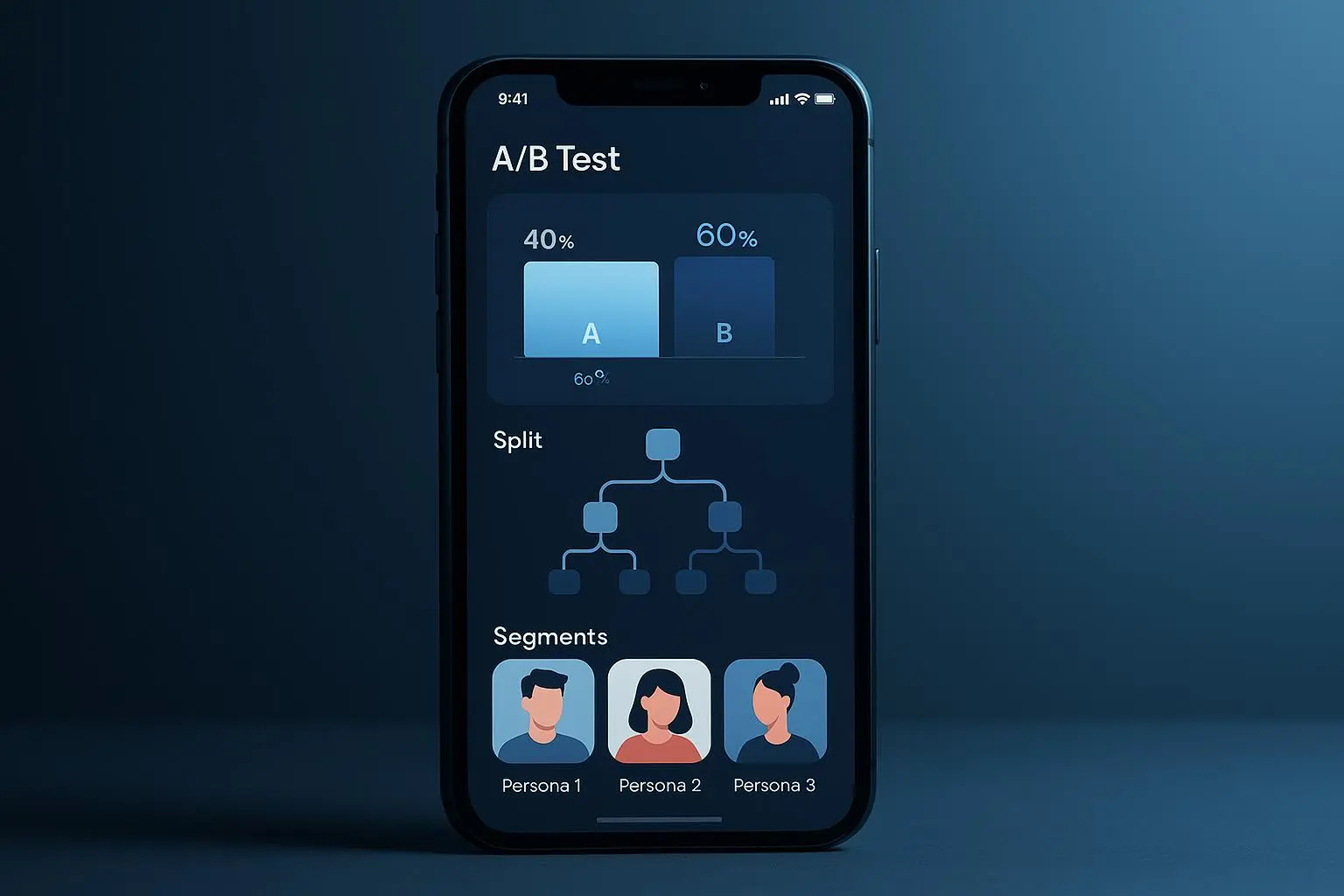
- Run a mini-A/B test. Use 40 matches for Opener A (explicit disclosure) and 40 matches for Opener B (subtle disclosure). Track initial response rate and sentiment after the first message. This is enough data to guide your next move.
- Practice editing. After you generate content with Rizzman, do a five-minute rewrite aloud. Capture the changes you make and the reasons behind them. This practice is where you’ll see the biggest quality gains.
You don’t need to overhaul your life to improve dating outcomes. You need a repeatable, honest method that respects both your time and the other person’s space. And yes, you can still be bold, funny, and human as you test and iterate.
What to watch out for (the real gotchas)
- Don’t rely on AI for everything. If your entire persona is AI-generated, you’ll eventually hit a wall where the person you’re dating wants to hear from the real you. Use AI to unlock your own voice, not to replace it.
- Avoid “robotic politeness.” If you notice your messages clocking in with perfect grammar but lacking warmth, you’re over-polishing. You want warmth with clarity, not sterile precision.
- Be mindful of timelines. If you’re too aggressive with disclosure or not transparent enough, you risk eroding trust. The best disclosures surface naturally as you share more about your approach to dating, not as a forced announcement.
- Respect boundaries. If someone seems uncomfortable with the idea of AI assistance, don’t push it. Shift back toward human-centric phrasing and more organic conversation.
The practical framework you can steal now
- Prompt with persona. Build a short “character sheet” for your voice and preferences.
- Disclose strategically. Segment disclosure by profile stage and context; don’t treat disclosure as a checkbox.
- Iterate with micro-experiments. Track response rate, sentiment, and progression to a date; apply what you learn to the next round.
- Edit relentlessly. AI drafts are starting points, not finish lines. Your edits matter more than the AI’s cleverness.
This isn’t about gaming the system. It’s about using a powerful tool to present your best, most authentic self—consistently. The more you lean into your own voice and experiences, the more your potential matches will feel a genuine spark, not a manufactured one.
Real-world outcomes I’ve seen
- A friend who started with explicit disclosure reported steady conversations that felt honest and less performative. Over two weeks, she moved from casual chats to a coffee date with two different people who appreciated her transparency and thoughtfulness.
- Another acquaintance used mid-conversation disclosure to great effect. The openness around “how I write” built trust quickly, and within three dates he described his approach as collaborative and respectful—an unusual stance in a space where bravado often dominates.
- A third case involved someone who was naturally shy. By using a micro-moment tactic—small but meaningful references to real-life experiences—he found it easier to carry a conversation forward. The result wasn’t a blockbuster, but it did deliver consistency and a measurable uptick in positive responses.
If you’re reading this and thinking, “That sounds like a lot,” you’re not wrong. It’s a shift in how you approach dating in a world where AI is ubiquitous. The payoff isn’t just more matches; it’s better conversations, more dates, and a stronger sense of who you are in the process.