Troubleshooting Common Tethering Mistakes and Fixes
Dec 22, 2025 • 8 min
If you've ever felt the stomach-drop of watching a toddler sprint toward a parking lot or a busy street, you already know why tethers exist.
They are not fashion accessories or conversation starters. They are safety tools—useful, imperfect, and often misunderstood.
This post walks through the mistakes I see again and again, the practical fixes that actually work, and the short scripts and checklists you can start using today. No judgment. Just real, useful stuff.
Why this matters (short version)
Tethers reduce the window between a child moving toward danger and your ability to intervene. But they can also create new risks if used poorly: joint strain from wrist straps, entanglement hazards, and a dangerous illusion of safety that leads to distracted caregivers. The fixes are small, specific, and repeatable.
The recommendations below draw on guidance from the CPSC, AAP, and injury-prevention research, plus hundreds of caregiver experiences.
The biggest mistakes—and what to do instead
Mistake 1: Wrong leash length and tension (The Goldilocks problem)
What happens: Too long and the child bolts beyond reach. Too short and they get yanked or can't move naturally.
Fix: Use the Two-Step Rule. The tether should be long enough for two large steps away—no more. Keep slack when the child walks, but your hand stays ready to take up the slack instantly.
How I test it: I set the tether so my child can reach a play display but not the edge of a curb. If she can reach the curb, it’s too long. If she looks like she's being dragged, it’s too short.
Why it works: Two steps gives you reaction time without strapping the child rigidly. The geometry of two steps matches the average adult reaction time in crowded spaces and keeps them within safe reach.[1]
Mistake 2: Anchoring to the wrong place (wrist straps vs. chest harness)
What happens: Wrist straps concentrate force on small joints. Backpacks can slip. Loose attachment points allow escape.
Fix: Use a chest/torso harness with the leash clipped high on the back near the shoulder blades. Prefer five-point-style designs when possible. The force distributes across the torso, reducing injury risk and preventing easy wriggling free.
Practical check: With the child standing, try to lift the harness at the shoulder seam. If it moves more than an inch or two, the fit isn’t snug enough.
Evidence and caution: Experts warn wrist straps increase subluxation risk during sudden pulls or falls. A chest harness gives you leverage to guide rather than yank.[2]
Mistake 3: Treating the tether as a babysitter
What happens: The caregiver checks out—phone in hand—assuming the tether will save the day. It won’t.
Fix: Pair the tether with an Active Monitoring Script. This is a simple internal checklist you run—ideally aloud while your child is near:
- Where are their feet? (Trip hazards)
- Where are their hands? (Touching hazards)
- Where’s the nearest exit or drop-off? (Escape risk)
Make this a habit: voice it once every few minutes in crowded places. It keeps your attention anchored.
Why it matters: Tethers reduce distance, not all risk. Supervision quality remains the key predictor of safety outcomes.[3]
Mistake 4: Ignoring entanglement hazards
What happens: Straps loop around handles, wheels, escalator gaps, or moving machinery.
Fix: Shorten the tether to minimum length in high-risk zones: escalators, revolving doors, subway platforms, busy checkouts. In those spots, hold the child’s free hand in addition to the tether.
Small detail that stuck with me: I once saw a strap tuck into an escalator gap by maybe a half-inch. It was small, but that half-inch was the start of a disaster.
Mistake 5: Wrong harness for the environment
What happens: Cute backpack harnesses look great but often fail the fit test. A harness without solid buckles or adjustable straps will slide and create escape routes.
Fix: Buy for function, not photo ops. Look for:
- Adjustable straps with locking clips
- Padded chest/shoulder area
- High clip point on the back
- No loose decorative parts that snag
Check the CPSC database for recalls before buying.[1]
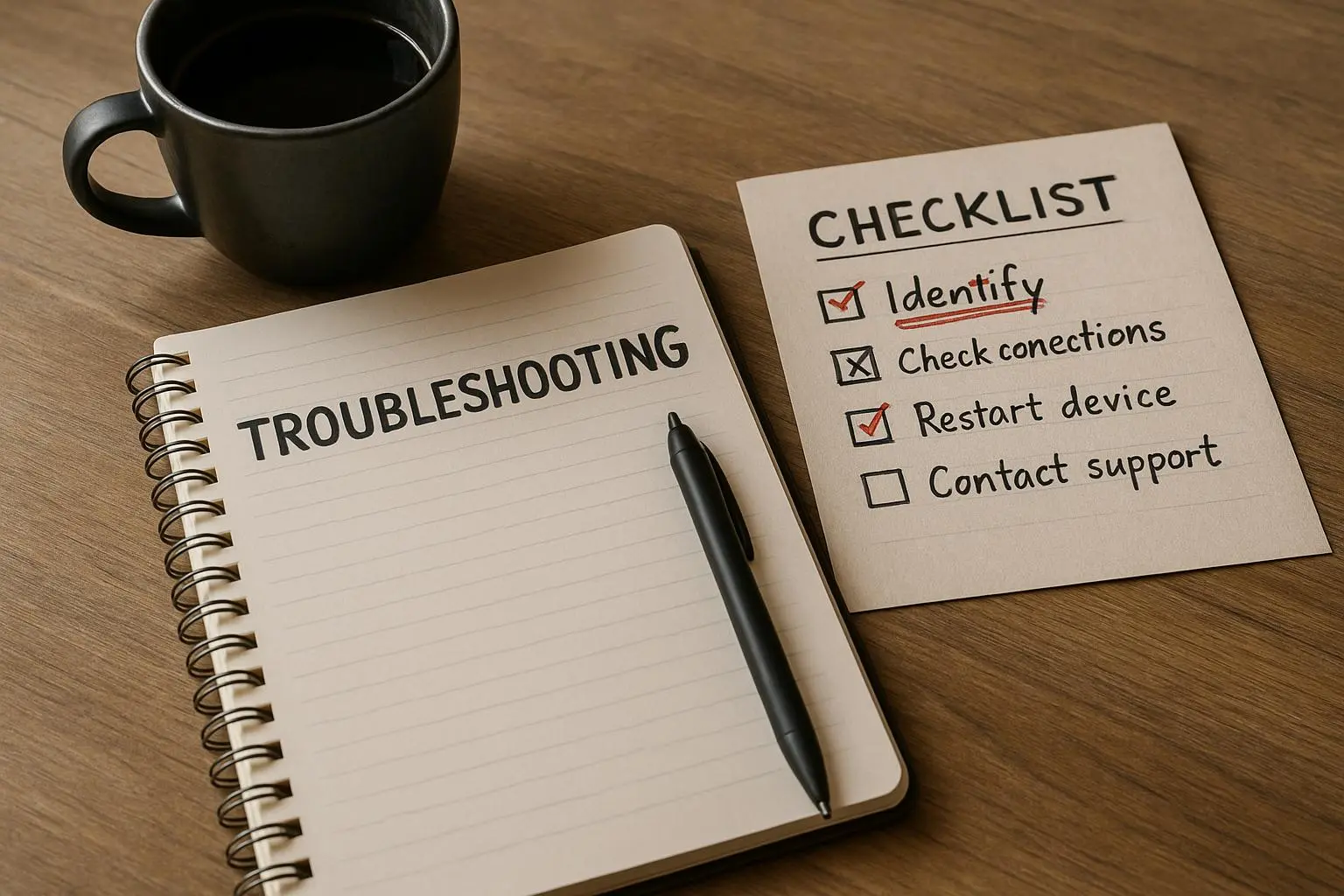
Quick, error-proof checklist you can memorize
Before you step out:
- Fit Check — Two fingers should slide under the straps at the shoulder, not a hand’s width.
- Anchor Check — Clip is high on the back/shoulders, not the wrist or a loose backpack strap.
- Length Check — Two-Step Rule: child can take no more than two large steps away.
- Environment Check — Any wheels, doors, or low machinery nearby?
- Mindset Check — Am I actively supervising, or is the tether doing the work?
Say that last one out loud if it helps. It’s short and oddly ritualistic, which makes it stick.
Scripts caregivers can use in public (error-proof)
Short, calm lines that set boundaries and maintain supervision:
- “We’re using the short leash here—stay within two steps, okay?”
- “Hand in mine when we get near the entrance, please.”
- “Tether on, eyes on—no toys near the escalator.”
Why scripts help: Kids respond to calm, consistent language. Scripts also make your attention visible to bystanders, which reduces scrutiny and confusion.
When to shorten the tether immediately
- Escalators and revolving doors
- Crowded public transit platforms
- Near vehicular traffic (parking lots, curb cuts)
- Construction zones or moving machinery
- When visibility drops (dusk, busy festivals)
In these spots, hold a hand plus tether—double restraint, half the stress.
Addressing stigma and mixed feelings
People judge. That’s life. But you get to choose what matters more: other people’s opinions or your child’s safety.
Two real-world perspectives I keep in mind:
- Some parents say the tether felt like giving their child freedom—they could explore more safely than being confined to a stroller.
- Others acknowledge the judgment, but point to a near-miss—parking-lot sprint—and say safety wins every time.
You don’t have to explain yourself. A short, unapologetic line like “It keeps them safe in busy spaces” ends most conversations.
A story: What I learned at the zoo (real, 130 words)
We tried a cute backpack harness with my oldest at the zoo when she was three. It looked harmless—plush ears and all. At the giraffe exhibit she reached forward, the strap slipped under her arm, and she twisted. For a split second I thought she was free. I wrestled the harness and the staff helped, but it was clumsy and scary.
After that, I switched to a high-clip torso harness. The second time, we navigated the same crowd with no sliding straps and no frantic tugging. She still ran to see the penguins, but I could guide her gently instead of grabbing her wrist and apologizing to strangers. The harness didn’t make me lax—it made supervising manageable.
Alternatives and when to phase out tethers
Tethers are usually a short-term tool—helpful during the toddler years and transitions. Alternatives or complements:
- Teaching walking boundaries and practicing recall in safe spaces
- Holding hands in high-risk areas
- Using gates or play yards at home
- GPS/location apps for older kids when off-leash is appropriate
A practical rule of thumb: when your child consistently follows verbal cues in busy environments, you can try reducing tether use in low-risk settings. There’s no exact age—look for behavior, not a number.
Frequently asked practical questions
Q: Is a wrist tether ever okay? A: For very short, low-risk moments, yes—if paired with active supervision. But for regular use, wrist straps increase joint risk; chest harnesses are safer.[2]
Q: How tight should the harness be? A: Snug enough that it doesn’t slide at the shoulders, but two fingers should fit under the strap. Too tight restricts movement; too loose allows escape.
Q: Can tethers teach dependency or shame? A: Children usually treat harnesses as gear, not punishment. How you talk about it matters: frame it as safety gear, not punishment. Let them choose a design when appropriate.
Final practical checklist for busy caregivers
Keep a small “tether kit” near your door: harness, spare clip, a quick printed fit guide, and your phone with the Red Cross first-aid app (or similar).
Before you leave:
- Harness on and fit-checked
- Leash clipped high
- Two-Step length verified
- Active Monitoring Script rehearsed
- Hand ready for escalators/exits
If you do one thing today: try the Two-Step Rule and the Active Monitoring Script for your next outing. You’ll notice the difference within a trip.
References
Footnotes
-
U.S. Consumer Product Safety Commission (CPSC). (2022). Safety Standards for Infant and Toddler Products: Harnesses and Tethers. ↩ ↩2
-
American Academy of Pediatrics (AAP). (2021). Preventing Childhood Injuries: The Role of Restraint Devices and Active Supervision. AAP News. ↩ ↩2
-
Schmidt, L. A., & Fox, N. A. (2019). Temperament and the Development of Behavioral Inhibition: Implications for Safety and Supervision. Developmental Review, 51(1), 1–18. Retrieved from https://doi.org/10.1016/j.dr.2018.11.001 ↩