Interval Timer Troubleshooting: Common Buddy EMOM Pitfalls and Fixes
May 11, 2026 • 9 min
If you’ve ever tried to spin up an EMOM with a partner, you know the glow of momentum can flip to chaos in a minute flat. The idea—two people pushing at the same time, chasing an audacious clock—sounds thrilling in theory. In practice, mismatched paces, sketchy form, and a confusing start signal can melt that spark faster than a jump rope on a sweaty gym floor.
I’ve tried buddy EMOMs enough times to know where they tend to squeak. Not all fixes are glamorous. Some are tiny shifts in how you talk, how you tempo your rounds, or how you plan the equipment. But when you get them right, the workouts feel like a duet instead of a tug-of-war. Here’s how to troubleshoot the usual suspects, with real-life tweaks that actually move the needle.
And yes, I’ll start with a story. Because this stuff sticks better when you’ve seen it happen.
A few years back, I was training with a friend who wanted to push hard. We lined up a 12-minute EMOM with alternating exercises: burpees for one minute, then goblet squats for the next. I’m naturally a faster finisher, even on burpees, and she was steady but deliberate in her tempo. By the third round, I was finishing my burpees in 28 seconds and waiting for the rest while she was still grinding through her 12th squat rep. It wasn’t dangerous, but the mismatch created a weird energy—me sprinting for a “rest” that felt like a delay, her fighting for every rep while I tried to “stay with it.” That session taught me a simple truth: you don’t fix a buddy EMOM by insisting everyone be at the same exact pace. You fix it by designing around differences.
Here’s a practical handbook you can actually use, with quick fixes and a lean, practical checklist you can pull out before your next session.
A quick aside that stuck with me: the timer on my phone died mid-workout. We didn’t skip a beat; we shifted to a clear verbal go/no-go cue. The moment I heard the “go” from my partner and then watched her eyes light up when her timer still chirped, I realized the ritual matters more than the device. The human signal—trustworthy, specific—beats gadgetry any day.
Now let’s break down the five most common pitfalls and how to fix them, fast.
How I actually made this work
You’ll notice I didn’t promise a one-size-fits-all recipe. Buddy EMOMs demand nuance. The same structure that gets you pulled into a rhythm can pull you apart if you don’t align on a few anchors: pacing, communication, safety, equipment flow, and fatigue management. Here’s how I’ve built fixes that survive the chaos of a minutes-to-minutes timer.
Pitfall 1: Mismatched paces and fitness levels
This is the classic trap. One person finishes their reps inside 30 seconds; the other is still grinding at 45 or 50 seconds. The clock stops for neither, which means the slower partner rips through rest poorly, and the faster partner gets bored or lurches toward sloppy reps.
User insights from real workouts echo this. A Reddit commenter said, “My buddy is a beast. We tried an EMOM, and I was barely finishing my reps as he was already resting for 20 seconds. Felt like I was constantly playing catch-up and never got a real break. It was demotivating.” That’s not just noise; it’s a signal that you need scalable options that respect pace differences without smothering either person.
Fixes that actually work:
- Scaled reps or weights. If Partner A can crank out 10 regular push-ups, Partner B can do 12 with a harder variation (decline push-ups, elevated tempo, or a small weight). The goal is both partners finish with quality, not exactly the same cadence.
- Time-based work windows. Instead of counting reps, pick a 40-second work window. Everyone does as many quality reps as they can in that window. You get synchronized starts, but the load is personalized.
- Alternating rounds for tough pairings. When your partner’s pace is far off yours, one person works for the minute, the other rests, then switch. It’s not classic EMOM, but it preserves safety and energy management while keeping accountability intact.
A micro-moment worth whispering about: a 40-second work window isn’t a magic bullet for every exercise, but it lets both partners ride the same clock with their own reps. The visual cue of the minute changing and a quick glance at each other’s form is enough to keep you honest about intensity.
Pitfall 2: Communication gaps and unspoken expectations
This isn’t about being polite; it’s about clarity. People assume they’re aligned on the plan and then drift into mismatched starts, different exercise variations, or unspoken pace targets. The result is chaos, frustration, and a session that feels more like a test of patience than a training block.
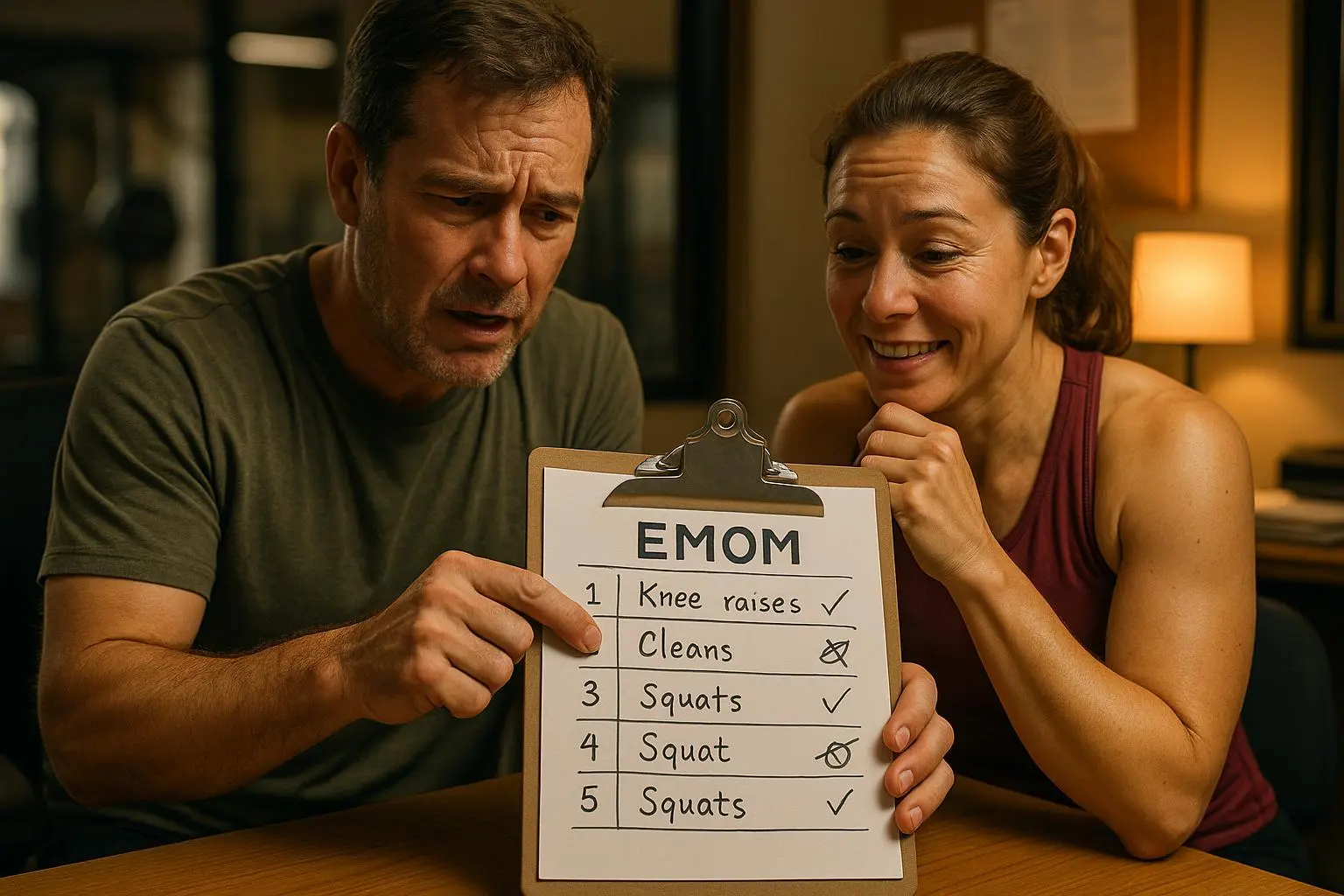
A real-world vibe from the field: “We started an EMOM without really talking about the plan. Halfway through, I realized my partner was doing a different squat variation than me, and we had different ideas about when to start the next minute. It was chaotic but we laughed it off.” Great story, not great practice—unless you fix the root.
Practical fixes:
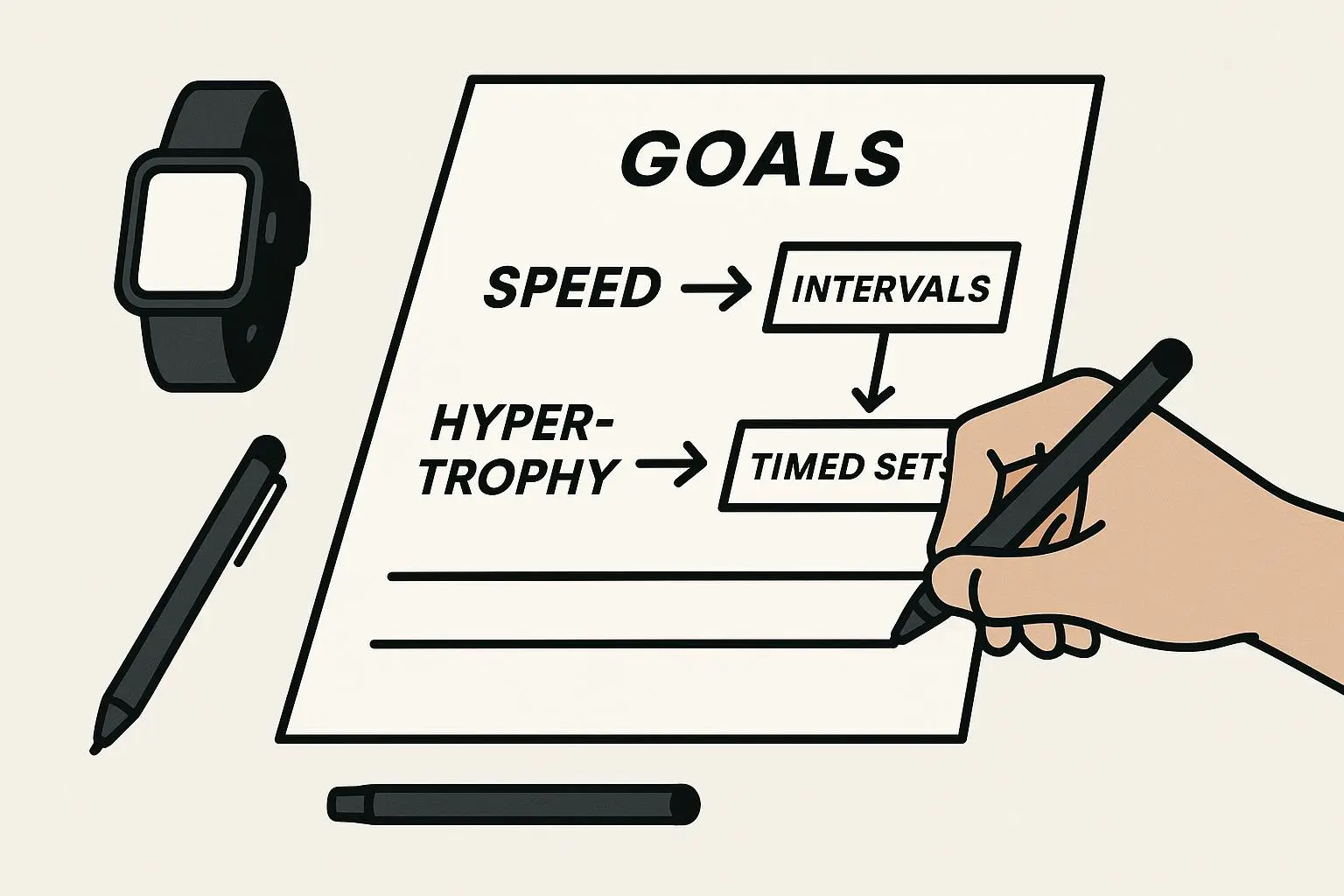
- Pre-workout briefing with a written plan. Exact exercises, reps/weights, and the start signal. A shared one-sentence plan is better than a vague vibe.
- Mid-workout check-ins. After 2–3 rounds, ask, “How are you feeling? Do you want to adjust anything?” It’s brief, but it buys you time and honesty.
- A designated timer keeper. One person calls out the start of each minute. If you’re both resetting at the same time, a clear accent makes life easier.
A micro-detail that helped me stay honest: we use a single sound cue, but we’ve also trained a secondary verbal cue—“tap” means “start counting from the next minute.” It sounds silly, but it cuts the mental guesswork.
Pitfall 3: Safety concerns and form breakdown
Pace is important; form is sacred. In the rush to beat the clock, you’ll see form slip. This isn’t just annoying; it increases injury risk. NSCA and other bodies emphasize that quality movement should always trump speed when you’re fatigued. The point isn’t to avoid fatigue; it’s to avoid compounding it with bad technique.
People share the same story in different forums: “I pushed myself too hard trying to match my friend’s pace on burpees. My form went to crap, and I ended up tweaking my back.” Not the story you want.
Fixes that keep you safe:
- Prioritize form over speed. If you’re losing technique, scale back reps or weight and keep the quality intact.
- Active spotting and feedback. Practicing with a partner who can give quick, objective cues (hips level, spine alignment, knee angle) keeps both of you honest.
- Honest self-talk. If someone’s fatigued or in pain, they should speak up immediately. You pause, modify, or stop as needed.
When I coached a duo through a heavy EMOM, we established a “two-strikes” rule: if any rep looked off in two consecutive rounds, we paused and reset the exercise to a safer variation. It saved a few sore backs and made the session more productive.
Pitfall 4: Equipment sharing and bottlenecks
Limited gear can bottleneck. If only one rack or one barbell is available, the entire minute can devolve into a waiting game, which saps rest and breaks the rhythm you’re after.
In practice, folks report mixed results: “We only had one squat rack, so our EMOM became a ‘wait-for-your-turn’ MOM. It broke the flow, but we made it work by doing bodyweight stuff while the other was on the rack.” Translation: you have to pre-plan around equipment or redesign the session so both partners can move in parallel.
Tactics that actually help:
- Pre-plan equipment needs. Map out what you’ll use and when. If sharing is unavoidable, design simultaneous-compatible exercises (two sets of dumbbells, two stations, or alternating tasks that don’t block each other).
- Two stations when possible. Set up two separate setups that can run concurrently. If you’re in a gym with a single rack, plan a sprint-to-sprint rotation that minimizes downtime.
- Pre-planned alternatives. If the primary move is occupied, you already have a backup exercise ready. If the barbell’s in use, switch to dumbbells or kettlebells that still deliver the intended stimulus.
A quick personal detail: the first time we tried a two-station approach, we set up two identical dumbbell racks at opposite ends of the room. It didn’t take long to see how much smoother it felt—no waiting, fewer tactical miscommunications, more energy left in the tanks for the final minutes.
Pitfall 5: Fatigue management and recovery
EMOMs are high-intensity by design. If you’re on a treadmill belt that won’t slow down, you can burn out fast. If one partner hammers through rounds while the other is flirting with form breakdown, the whole session loses value. Fatigue isn’t the enemy; mismanaged fatigue is.
Solid anecdotes match this: a commenter noted how a partner helped them remember to breathe and hydrate across longer EMOMs, and how adding a longer rest or an active recovery minute every few rounds keeps both partners honest and moving forward. It’s not glamorous, but it’s effective.
What to do:
- Scheduled active recovery. For longer EMOMs, insert brief active-recovery rounds: light cardio Iike cycling at a very easy pace, mobility work, or short, controlled stretches between rounds.
- Hydration and nutrition. Pre-load with balanced carbs and hydration. A hydrated, slightly fueled body recovers better and can sustain the minute-to-minute demands.
- Listen to the body. If fatigue is mounting, take a longer rest intentionally, or dial back the difficulty for a stretch. The point is sustainable effort, not a one-minute sprint that derails the rest of the session.
A human moment that resonates: my partner and I realized mid-session that we were chasing a pace neither of us could sustain. We paused, adjusted the rest window by 15 seconds, and kept the session honest and productive. It wasn’t glamorous, but it mattered.
The Buddy EMOM Checklist for Success
If you want a quick, actionable frame you can print and use before your next workout, here it is:
- Communicate clearly. Before you start, lay out the exercises, targets, and the “go” signal.
- Scale intelligently. Don’t force identical reps or weights. Match effort and intent.
- Prioritize form. If technique wobbles, dial back the intensity.
- Plan equipment. Decide who uses what and when, or pick two stations that can run in parallel.
- Designate roles. One person watches the timer; the other manages the start cue. If you can, rotate the role to keep both people engaged.
- Check in mid-session. A quick “how are you feeling?” can save a session from devolving into guesswork.
- Hydration and recovery. Keep water handy and plan for post-workout mobility and protein intake.
Here’s a micro-moment that sometimes saves a workout: we keep a tiny post-it note on the timer with a single word cue—“start” or “pause.” It’s not fancy, but that tactile reminder anchors your partner to the plan when the brain starts to wander.
Beyond the Basics: How to adapt EMOMs for your goals
You’re not stuck with basic moves forever. You can tailor buddy EMOMs to different fitness aims, levels, and schedules.
- Strength focus. Use heavier weights with fewer reps, or swap push-ups for weighted vest push-ups. Keep the minute structure, but ensure one person maintains controlled tempo and solid brace throughout.
- Endurance focus. Use a longer work window (50-60 seconds) and a shorter rest (10-20 seconds). The challenge is maintaining form as lactic acid builds—not just finishing reps.
- Skill and technique. Use EMOMs to practice a single movement with perfect form. The minute can be a deliberate, slow tempo to reinforce technique—not just fatigue.
- Time-crunched schedules. If you only have 15–20 minutes, do 4–6 minutes of EMOM work with a planned cool-down. You’ll hit quality training and still leave time for other life stuff.
A story that leans into the “why” behind the approach: a busy friend of mine once swapped a 20-minute run for a 10-minute EMOM with a partner. The timed collaboration kept them accountable, and the structure forced greater intensity in shorter bursts. They both felt stronger after a week, with less mental energy spent on figuring out what to do next.
The practical edge: choosing tools and timers you can trust
The timer matters less than how you use it, but a good timer helps. Some people rely on apps; others go for a simple web timer. The point is consistency and clear audible cues everyone can hear. If your environment is loud or you’re often off-signal, a combined approach—visual countdown plus a sound cue—can save you from missing starts.
Recommended tools and thoughts from the field:
- Seconds Interval Timer or SmartWOD Timer for complex, multi-exercise EMOMs. They’re great for customizing rounds and ensuring both hear the cue.
- A simple web timer for quick, no-download setups if you’re training at a gym with a shared screen.
- Always test your setup before the workout. A minute of testing saves you five minutes of chaos.
If you’re curious about the options coaches actually rely on, the field has plenty of choices. A CrossFit forum thread, a NSCA recommendation, and a MyFitnessPal blog note that partner workouts, when properly designed, can boost accountability and adherence. The common thread across tools is reliability and clear signaling during transitions.
A closing thought
Buddy EMOMs aren’t magic. They’re a disciplined conversation between two people sharing a space, a clock, and a commitment to show up and move well. When mismatched pace, ambiguous expectations, or bottlenecks pop up, the fix isn’t to power through more aggressively. It’s to align on structure, protect form, and respect both bodies’ limits.
If you walk away with one thing, let it be this: you don’t need perfect symmetry to get a killer workout. You need clear signals, smart scaling, and a plan you both trust. The minutes will fly by, and you’ll finish with energy left for the post-workout coffee you promised each other.