Feeding with Medical Conditions: Adjusting Schedules & Portions for Diabetes, Allergies & Sensitive Stomachs
Dec 21, 2025 • 9 min
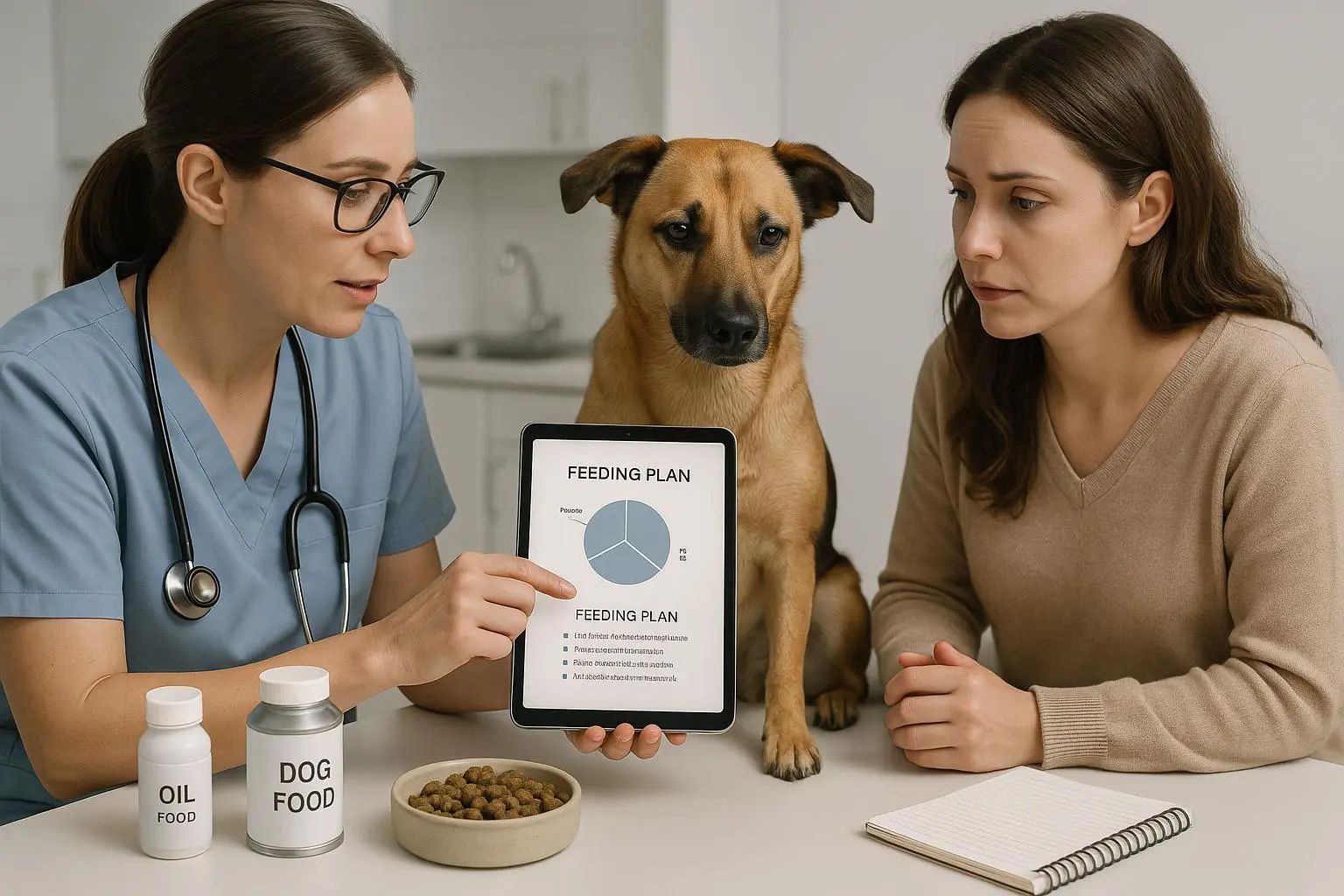
When your dog gets a medical diagnosis, food stops being "just food." It becomes medicine, schedule, and—let’s be honest—logistics. This guide gives clear, evidence-based steps for changing feeding schedules, portions, treats, and ingredients for dogs with diabetes, food allergies, pancreatitis, and sensitive GI. I’ll give you the exact questions to ask your vet, the things that trigger emergency calls, and practical habits that actually work at home.
If you’re scanning: yes, meal timing for diabetes matters. Yes, treats count. And no—boiled chicken and rice aren’t a long-term plan unless your vet says otherwise.
Why feeding changes when a dog is sick
Medical conditions alter nutrient needs, absorption, and metabolic stability. Diabetes demands predictable carbs and insulin timing. Pancreatitis demands very low fat. Allergies demand elimination, not guessing.
The golden rule: dietary changes are tools, not replacements for a diagnosis. Temporary fixes (bland diets, fasting) can treat symptoms. If those fixes become permanent, you need to look deeper.
How I learned to treat food like medicine (a short story)
A few years ago my terrier mix, Miso, developed chronic diarrhea. I did what most owners do: switched kibble, cut out table scraps, and tried "digestive" bags of treats. Three months in, Miso was thinner, still soft-stooled, and miserable.
I took notes, weighed portions, and tracked poop quality (yes, I kept a log—gross, but useful). The vet ran bloodwork and recommended a highly digestible, veterinary-formulated diet and a short trial of probiotics. Within two weeks stool volume dropped by about 40% and consistency normalized. We saved her weight with a measured increase in calories targeted by the vet.
Two lessons stuck: 1) consistency—same food at same times—was as important as the recipe; and 2) homemade "simple" fixes felt good but didn’t solve the root problem. The log I kept made the difference at the clinic; showing exact times and portions let the vet adjust the plan confidently.
Micro-moment: I still remember the small orange sticky note on the fridge with "7AM / 7PM — measure 85g" taped under the calendar. That sticky note saved me from a dozen careless mornings.
Diabetes: meal timing, portions, and predictability
What matters most: synchronization.
- Meal timing: Feed right before insulin injections (commonly twice daily). If insulin is given, the carbohydrate load at that meal needs to be consistent.
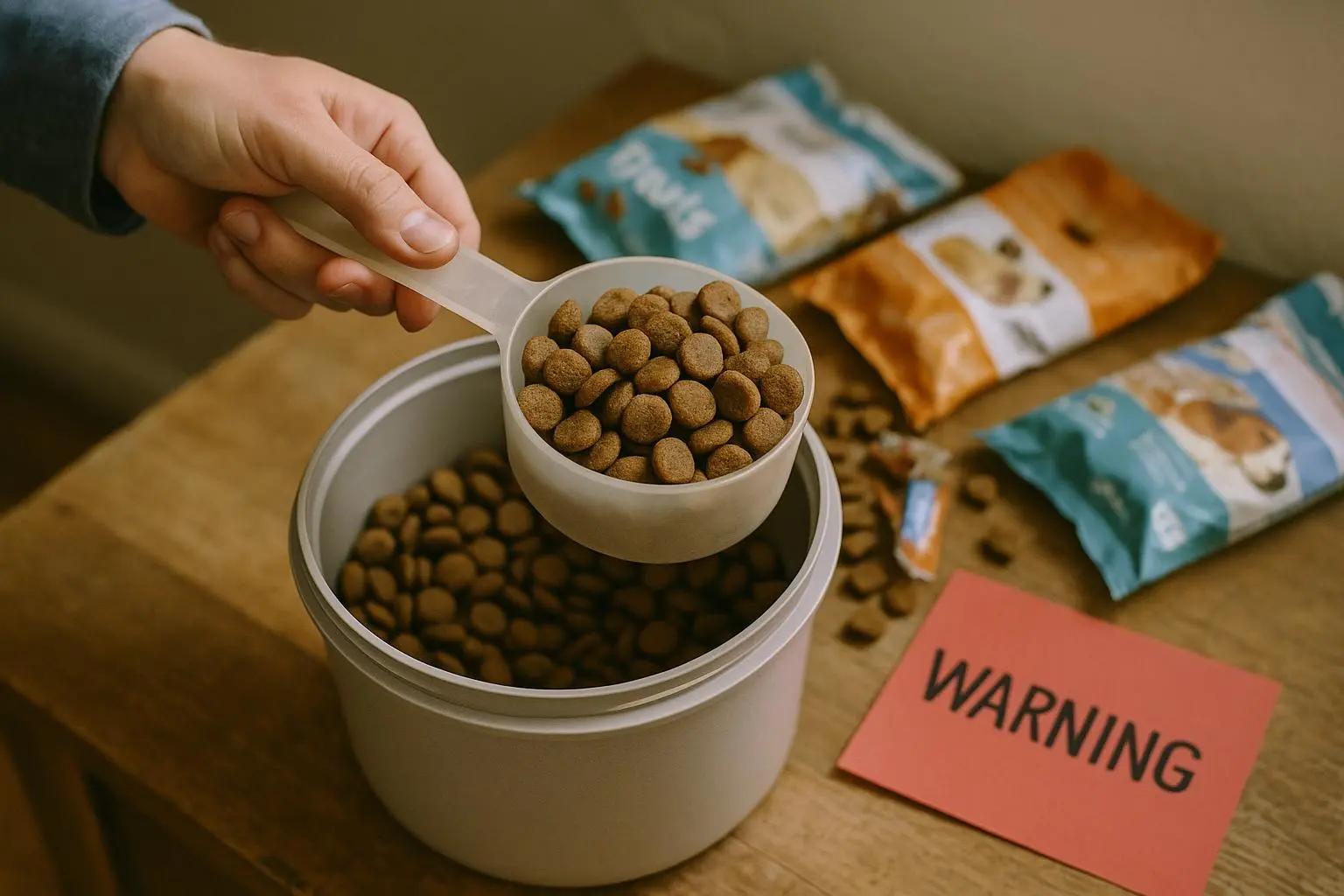
- Portions: Measure precisely. Use a kitchen scale—cups lie depending on kibble shape and moisture.
- Diet composition: Moderate calories, higher fiber, and consistent carb sources slow glucose spikes. Lower fat helps reduce the risk of concurrent pancreatitis.
- Frequency: Most insulin protocols pair with two meals per day. Don’t free-feed a diabetic dog.
Practical tip: Calculate total daily calories your vet prescribes and split them exactly between meals. If the plan is 800 kcal/day, give 400 kcal at each insulin-tied meal. Reserve treats within that total.
Why this matters: Variability in meal size or composition causes glucose swings. Owners who reported locking meals to insulin times routinely saw fewer highs and lows.
Food allergies and intolerances: elimination, patience, and testing
Allergies are about ingredients, not brands.
- Start with an elimination diet: 8–12 weeks of a single novel protein or a prescription hydrolyzed diet.
- No sneaky ingredients: Treats, chews, and flavored meds must match the elimination profile.
- Reintroduction protocol: After symptoms remit, reintroduce ingredients one at a time to identify triggers.
- Single-ingredient focus: Novel proteins (venison, rabbit, duck) or hydrolyzed proteins reduce immune reactions.
Don’t guess. If your dog has itchy skin, chronic ear infections, or GI signs and you try home elimination without strict control, results will be messy. Prescription diets are expensive, but they’re controlled—no hidden chicken or dairy.
Practical trick: Use the prescription kibble as training treats—tiny pieces are more valuable than random table handouts. Weigh them and fold them into the 10% treat allowance (see below).
Pancreatitis and sensitive stomachs: fat is the enemy
Pancreatitis flare-ups are painful and can be life-threatening. Dietary fat is the main trigger.
- Fat limits: For acute pancreatitis, aim for ultra-low fat options. Some therapeutic diets keep fat under ~10% of calories (dry-matter basis).
- Meal size and frequency: Smaller, more frequent meals reduce pancreatic workload.
- Bland diets: Brief use of plain boiled chicken (no skin), lean ground beef drained of fat, or plain rice can soothe acute GI upset—but not long-term.
- Chronic sensitive GI: Highly digestible, low-residue diets reduce stool volume and improve nutrient absorption.
If your dog has had pancreatitis, zero tolerance for high-fat treats is the safest policy. That jerky treat your friend gave? Not worth the ER visit.
Portion control for age, activity, and disease
Portions aren’t one-size-fits-all.
- Puppies (8–12 weeks): 3–4 meals/day for growth and energy balance.
- Adults (1+ years): 2 meals/day usually works; split for diabetics on twice-daily insulin.
- Seniors: Smaller, more frequent meals often help—adjust calories down for decreased activity.
- Athletes: Working dogs may need 20–40% more calories than sedentary counterparts.
Calculate calories based on target weight, not current weight if your dog is under- or overweight. Your veterinarian can give target kcal/day or help calculate Resting Energy Requirement (RER) and multiply by activity factor.
Practical tool: A kitchen scale, a small notebook or app, and a consistent measuring scoop are non-negotiable. Guessing is how mistakes happen.
The 10% treat rule (and how to actually follow it)
Treats should be ≤10% of total daily calories.
- Example: If your dog needs 800 kcal/day, treats should be ≤80 kcal.
- Use the kibble as training treats: 1–2 pieces may only be a couple calories depending on density.
- Weigh it: A gram-accurate kitchen scale removes guesswork.
If you’re doing training with a diabetic or weight-managed dog, break the kibble into tiny pieces and count them. If you want variety, buy single-ingredient, low-fat treats approved by your vet and log the calories.
Supplements: useful, but ask first
Common supplements: omega-3s, probiotics, digestive enzymes, glucosamine.
- Omega-3s: Helpful for skin and inflammation but talk dose with your vet.
- Probiotics: Can help some GI cases; strain and dose matter.
- Digestive enzymes: Vital for EPI—but useless (and costly) if not needed.
- Always clear supplements with your vet: interactions and overdoses happen.
I’ve seen owners double-dose fish oil hoping for faster results; it changed little and increased calorie intake. Less is sometimes more, especially when every kcal is counted.
Red flags—when to call the vet now
Some signs need immediate professional attention:
- Sudden weakness, wobbliness, "drunk" behavior in a diabetic dog (possible severe hypoglycemia).
- Persistent vomiting/diarrhea for more than 24 hours, especially with lethargy.
- Rapid, unexplained weight loss or gain.
- Severe allergic reactions: facial swelling, hives, breathing difficulty.
- Recurrent need for bland diets: that’s a clue something deeper is wrong.
Don’t try to "ride out" severe signs. Emergency care can be life-saving.
What to bring to your vet appointment (print this)
Make your follow-up useful—bring data:
- Exact daily calorie target recommended by the vet (kcal).
- Times you feed and medicate (7am/7pm? 8am/8pm?).
- Portion sizes by weight (grams) not cups.
- Treats: type and calories per day.
- Any supplements and doses.
- A 2–4 week log of stool quality, appetite, water intake, and any vomiting.
If your vet asks "Have you changed brands?" your log will tell the story.
Homemade diets: proceed with professional help
Homemade diets often lack critical nutrients unless formulated by a veterinary nutritionist.
- Use nutrition support services (veterinary schools and board-certified specialists) if you want home-cooked therapeutic plans.
- Don’t swap in random supplements hoping to "fix" a missing vitamin; ratios matter.
- Calculate caloric density before you start. Tools and university calculators can help.
If you’re committed to cooking, get a formal recipe from a vet nutritionist and follow it precisely. Your dog’s life depends on balance, especially when illness is involved.
A practical week-by-week plan for switching diets safely
Week 0: Talk to your vet. Get target kcal, fat limits, and whether a prescription diet is recommended.
Week 1: Gather supplies—scale, measuring cups, a locked spot for meds, and a treat container.
Week 2: Transition slowly if tolerated (unless your vet advises immediate switch). Mix increasing ratios of new food over 7–10 days.
Week 3–6: Keep a log of appetite, stool, water intake, and behavior. Weigh your dog weekly.
Week 8–12: For elimination diets, this is the test window. No off-protocol foods. Reassess with vet.
Adapting this timeline to your dog’s diagnosis and vet’s advice is essential.
Final, practical checklist to take home
- Measure everything—kibble, treats, supplements—by weight.
- Sync meals with medications like insulin.
- Treats ≤10% of daily calories—weigh them.
- If using a bland diet, limit duration and seek diagnosis if needed again.
- Use prescription or hydrolyzed diets for confirmed allergies.
- Seek a veterinary nutritionist for homemade therapeutic diets.
- Call the vet immediately for lethargy, severe vomiting, sudden weight change, or neurologic signs.
Feeding with medical conditions is a marathon, not a sprint. You’ll tweak, you’ll log, and sometimes you’ll fail and try again. That’s okay. The constant is communication with your veterinary team and a few home habits—measuring, timing, and discipline—that make measurable improvements in quality of life.