Emergency Micro-Grounding: 90 Seconds to Stability on Public Transit
Mar 25, 2026 • 9 min
Public transit is a daily miracle of hustle and convenience. It’s also a pressure cooker for many of us. Stifling crowds, unfamiliar faces, the hum of engines, the sudden jolt when the doors close—that mix can trigger a sharp spike of panic. Not a full-blown panic attack every time, but enough to derail a commute, chip away at your confidence, and ruin a morning you hoped to start calmly.
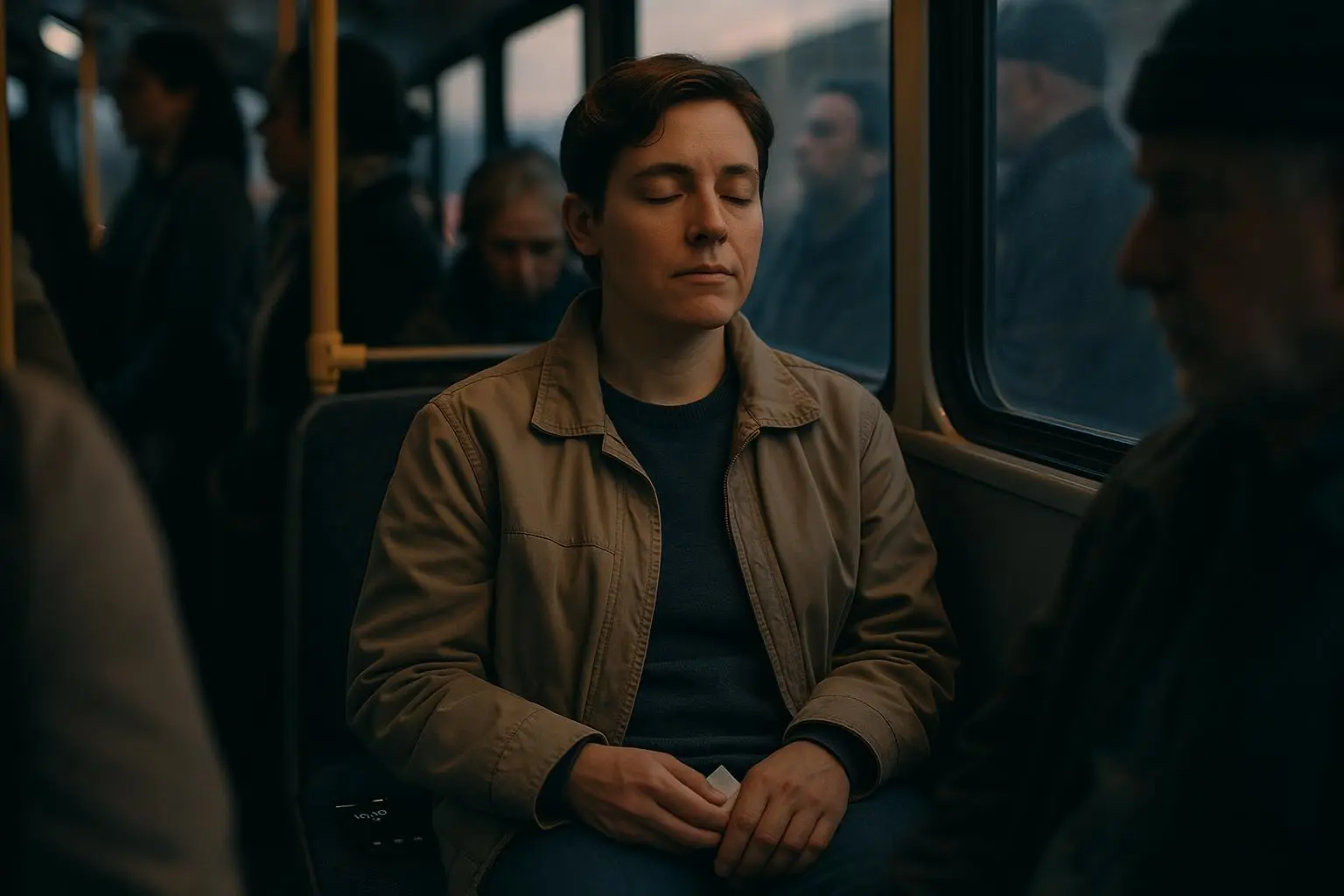
I’ve been there. Not with the dramatic bravado of a movie scene, but with the slow, creeping dread that turns the car into a claustrophobic cave. One morning last winter, I felt the familiar tightening creep up my chest as the train lurched into a tunnel. I was ready to bail, ready to sprint to the next car, ready to abandon the day. Instead, I paused. I used a simple, discreet protocol I had been quietly refining: Emergency Micro-Grounding. And it worked. Not perfectly, not instantly, but in 90 seconds I landed back in my body, out of the storm, and back to planning my day.
Here’s what I learned after dozens of trials, tweaks, and honest misfires. A compact, three-stage routine you can perform without drawing a single glance. No equipment, no special space, no drama. Just a small set of actions that cue your nervous system to shift from alarm mode to some version of calm.
And there’s a quick 30- to 60-word moment I’ll share later—one tiny detail that made all the difference in a crowded, noisy car. It stuck with me because it wasn’t a flashy breakthrough, just a tiny, practical nudge.
If you’re reading this while riding the bus or train, you know the vibe: you want relief without announcing it to the car. You want to appear normal while you’re stabilizing. This protocol is built for that. It’s not a cure-all, but it’s a fast, repeatable tool you can rely on when the moment hits.
I’ll walk you through the three-stage sequence, how to tailor it to claustrophobic moments, and practical timing you can use with or without audio. I’ll also share a few hard-won adjustments I’ve learned from people who’ve used it in the wild—from the commuter who practiced it in a packed subway car to the traveler who used it during a sudden scare on a regional train.
A quick aside before we dive in. The micro-grounding approach isn’t about forcing yourself to “like” the experience or pretending nothing’s happening. It’s about creating a brief pause, a sensory reset, and a cognitive anchor so you don’t spiral. The science behind it is a blend of breathing techniques, sensory grounding, and cognitive redirection. We’re not reinventing the wheel; we’re learning to use these wheels with precision when momentum pushes you toward panic.
30-60 second micro-moment: the tiny detail I found matters
While testing the protocol, I noticed one micro-detail that quietly shifted outcomes: locking eyes with a fixed, distant point for a moment while you breathe. It sounds almost silly, but the subtle act of visually anchoring your gaze reduces the brain’s tendency to chase internal messages of danger. It’s a micro-moment, a small act you can do without breaking your cover. It’s not the star of the show, but in a tight car, this tiny detail gives your attention something solid to grab onto.
Now, let me give you the blueprint—the 90-second, three-stage protocol that fits into the rhythm of a crowded commute.
Understanding the Three-Stage Protocol
The goal is simple: interrupt the panic cycle with three overlapping interventions. Breath regulation to soothe the nervous system, tactile grounding to anchor you in the body, and cognitive engagement to redirect the mind away from catastrophic thinking. All of it can be done discreetly, with minimal movement, in a moving vehicle.
Stage 1: Discreet Breath Reset (30 seconds) The 4-7-8 breath is a crowd favorite for a reason. It slows your inhalation, extends the exhale, and nudges your nervous system toward parasympathetic dominance—your “rest and digest” mode. You can do this quietly, without drawing attention.
- Inhale through your nose for 4 seconds
- Hold for 7 seconds
- Exhale through pursed lips for 8 seconds
- Repeat 2-3 times
Why this works on transit: The longer exhale sends a signal of safety to your nervous system, and the controlled pace doesn’t look like you’re gasping or panicking. You can rest your hands in your lap, glance out the window, and let the breath do its quiet work.
Stage 2: Silent Tactile Grounding (30 seconds) Two small, discreet moves that anchor your attention to the body and the space you occupy in the car.
Move 1: Seat Contact Awareness
- Bring awareness to how your back, legs, and hands press into the seat. Feel the fabric, the texture, the temperature. Notice the way the seat supports you. This tactile feedback anchors you in the present moment and pulls you away from spiraling thoughts.
Move 2: Subtle Hand Pressure
- If seated, press your palms into your thighs for 10-15 seconds.
- If standing, grip the handrail with deliberate, slow pressure. The key is deliberate, sustained touch, not casual brushing. The proprioceptive input helps you sense where your body is in space, which dampens the alarm signals.
Stage 3: The Cognitive Interrupt (30 seconds) A short mental exercise to pull your focus away from danger narratives and back into the room you’re in—the moving room you share with strangers and rails and doors.
The 5-4-3-2-1 Sensory Technique
- 5 things you can see
- 4 things you can touch
- 3 things you can hear
- 2 things you can smell
- 1 thing you can taste
This isn’t about a magical thought replacement; it’s about distributing attention across senses to blunt the brain’s tendency to catastrophize. It’s a real, practical cognitive pause.
Audio timing options
- Pre-recorded 90-second audio: A calm voice guiding each stage, with soft ambient sounds to cue transitions.
- Silent timer: A simple 90-second timer on your phone that vibrates or pings to signal stage transitions, so you stay in the moment without audible prompts.
Exit strategy Grounding isn’t a ticket to stay in a dangerous space. If the panic remains overwhelming after 90 seconds, or if you’re in genuine danger, prioritize safety. Identify the nearest exit and, if possible, move to a less crowded area or step off for a moment to reset. This isn’t failure; it’s smart self-care and a move toward relief.
Variations for Claustrophobia and Standing Passengers
Claustrophobia adds a layer of intensity to transit anxiety. If the enclosed space triggers you, tweak the protocol slightly to give you a greater sense of boundary and air.
- Visual anchor: Instead of closing your eyes, focus on a fixed point in the distance—like a window edge or a sign. It gives your brain a concrete target and reduces the collapse of the space into a void.
- Boundary pressure: Lean back into the seat with your back supported, or press your shoulder blades gently into the backrest to reclaim a sense of personal space.
For standing passengers, the emphasis shifts toward feet and balance.
- Ground your feet: Feel the contact between your soles and the floor. Wiggle your toes, press the heel down, feel the metal rail through your grip.
- Micro-adjust your stance: Shift weight from one foot to the other in a slow rhythm, almost like a quiet metronome. It creates a stable center and reduces the sense of impending tipping or loss of control.
Audio and timing options can still be used here. The key is to make the sequence fit the body’s current posture, not the other way around.
When to Exit the Vehicle
You’re not required to stay in a car or bus if the environment itself is unsafe for you. The protocol is meant to stabilize quickly, but if you continue to feel overwhelmed or if you experience lightheadedness, you should exit at the next stop. Step onto a platform, walk a few paces toward a vestibule, or simply pause in a quieter car. The aim is to keep yourself safe and to avoid escalation.
I’ve heard from riders who found this safety valve incredibly comforting. The routine gives them a plan, a practical action to take when the body is screaming. It’s not a guarantee of perfect serenity, but it is a reliable tool to prevent a meltdown from wrecking your day.
Integration into Your Everyday Commute
Like any skill, micro-grounding pays off with practice. The more you rehearse the sequence, the less cognitive load you carry when panic begins. Practice in calm moments so your body learns the rhythm: breathe, touch, anchor, breathe again, and you’re back on steady ground.
A few habits to help you stick with it:
- Build it into a daily commute ritual. Do two rounds of the breathing and one mixed round of grounding even on days you feel comfortable. Your brain will learn the sequence as a reflex.
- Use a discreet reminder. A tiny sticker on your phone case or a note in your bag can be a subtle cue to start the breathing.
- Create your own personal timing tweaks. If 4-7-8 feels heavy on your chest, try 4-6-8 or 5-5-5. The goal isn’t perfection; it’s dependability.
The science behind grounding is a blend of breath control, sensory engagement, and cognitive redirection. It’s not about erasing anxiety; it’s about interrupting the runaway loop long enough to re-establish agency. When you practice, your nervous system begins to learn that these moments are survivable, not catastrophic.
An honest note about outcomes: I’m not promising a magic cure. But in repeated use, people tell me the difference feels real. They’re not “cured,” but they’re not paralyzed by the next jolt, either. And that’s a win worth chasing on a daily ride.
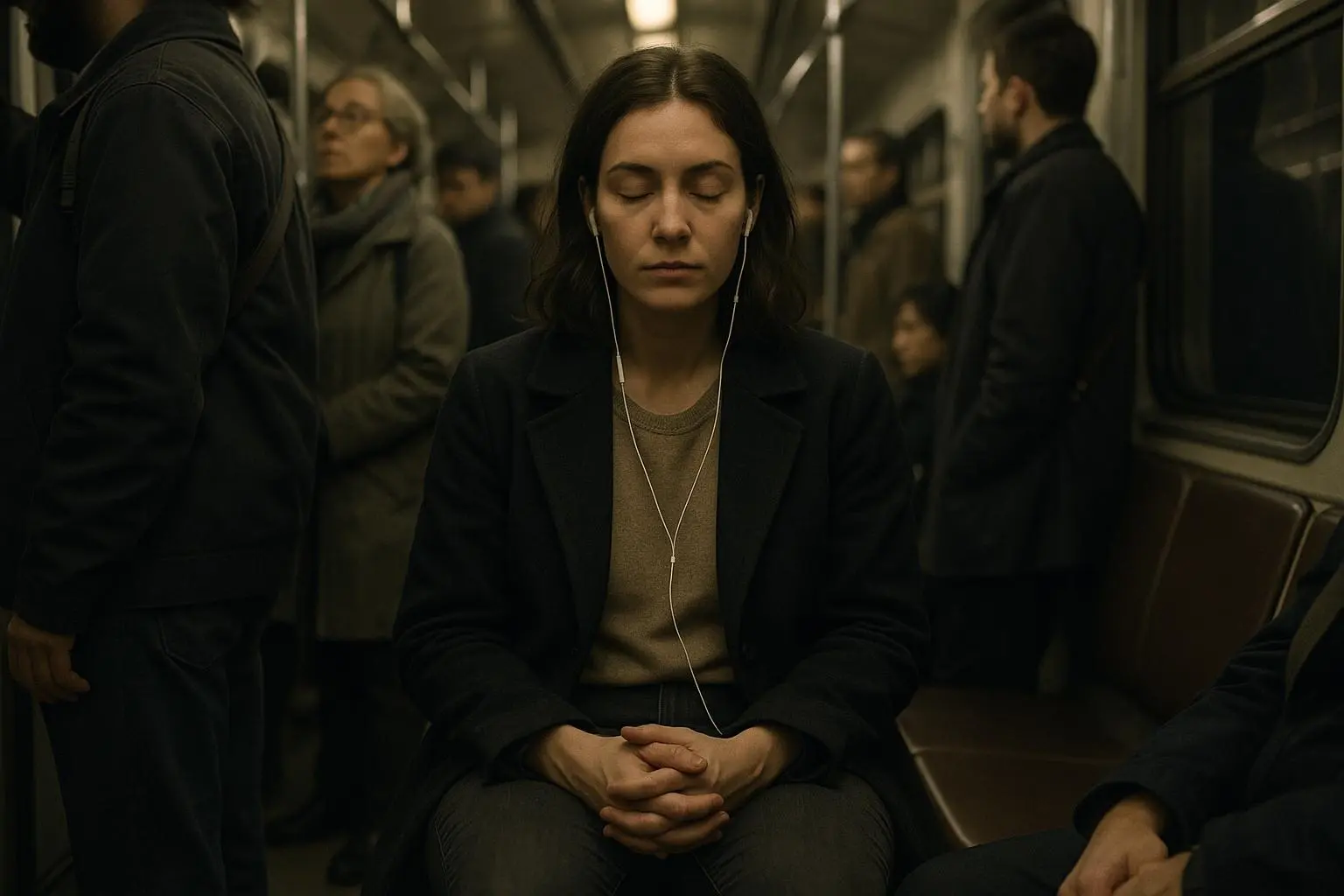
A story from the field, 100-200 words A few months ago, I rode a crowded subway after a chaotic morning at work. The car pressed tight, a sudden jerk dropped my stomach, and the familiar flutter appeared. I paused, closed my eyes for a breath I whispered, and steadied myself with the seat. My hands found my thighs, pressed in a bit, enough to feel the texture of the fabric and the cold metal beneath. I scanned the car with my eyes, fixing on a bright poster across the aisle. The 5-4-3-2-1 thought sequence followed: five things I could see, four I could touch, three I could hear, two I could smell, one taste that was a reminder of mint gum I’d been chewing. The bustling noise around me faded into a background hum. My breath found a slower rhythm, and my body followed. When the doors opened, I stood, steadied, and moved with intention rather than collapse. It wasn’t perfect, but it was mine—an 90-second pocket of control in a moment I would have otherwise lost.
The quick, practical detail that saved that ride was the eye anchor. It wasn’t loud or dramatic, just a fixed target that offered a tiny map back to the present.
What the Research Says (And Why It Matters in Real Life)
If you’ve read about grounding techniques or calming breathwork, you’ve seen the same lines: “activate the parasympathetic nervous system,” “shift attention away from threat,” “increase vagal regulation.” The science is there, but experiments don’t always translate cleanly to a subway car. Here’s how it lands in the moment:
Breath work matters. Controlled breathing, especially paced breathing with longer exhalations, reduces heart rate variability associated with stress responses. The 4-7-8 sequence is a simple, time-tested approach that fits into a 90-second window and doesn’t look unusual in public. It’s the kind of thing you can do without drawing attention, which matters on a crowded platform.
Tactile grounding is powerful. When your senses are flooded with stimuli, giving your body a specific, repeatable physical action helps anchor attention and dampen the “threat perception” signals that travel through the sympathetic nervous system. The seat contact and gentle hand pressure create a proprioceptive loop that steadies you.
Cognitive redirection helps prevent escalation. The 5-4-3-2-1 exercise is widely used for a reason: it forces you to engage your senses and your present environment, which reduces the brain’s irrational focus on danger. It’s a practical antidote to overwhelming thoughts.
I’ve seen this work in real life—not as a miracle, but as a tool you can literally pull out of your pocket and use. A few readers have shared how the audio option helped them stay on track when cognitive overload hit. Others prefer silent practice, and that’s fine too. The key is consistency and the confidence that you have a plan when panic starts.
FAQs and Common Pitfalls (So You Don’t Get Tripped Up)
What if I forget the steps? Normalize it. Start with breath, then add the grounding moves. If you forget, just breathe slowly for a round or two and regain the sequence. With practice, it becomes second nature.
Does this work for everyone? It helps a lot of people, but not all. People with very intense panic or claustrophobia may need additional strategies or professional support. This is a self-regulation tool, not a substitute for therapy when needed.
How long before it helps? Most people notice a milder shift within 30 seconds, with the full 90-second cycle producing a noticeable difference. Consistency is key.
Can I use this off the train? Yes. The protocol is portable: it works on a bus, in a waiting hall, in an elevator—anywhere you feel anxiety rising and want quick stabilization.
What about sleep or rest? The breathwork itself can be calming enough to help with sleep onset. You can adjust the pacing if you’re using it as part of a bedtime routine.
A Final Note on Practice
The Emergency Micro-Grounding protocol isn’t about heroic grand gestures. It’s about small, repeatable steps you can rely on in the chaos of daily life. The more you practice, the less you fight against your body and the more you ride with it, in a way that doesn’t feel like a performance in front of strangers.
If you’ve got a friend or a family member who rides public transit, share this with them. Not as a sales pitch for anxiety relief, but as a practical tool you’ve found useful in real situations. The more people who know how to ground themselves quickly, the nicer it becomes to move through crowded spaces with a bit more ease.
And if you’ve tried this and had it work—or failed but learned something—tell me. The real value of a protocol like this is in the stories that follow. The tweaks you discover, the sensory anchors you rely on, the moments you realize you can regain choice even when the car rocks and the doors sigh closed.