90-Second Commuter Sunrise: Quick Energy Rituals for Short Journeys
Feb 11, 2027 • 9 min
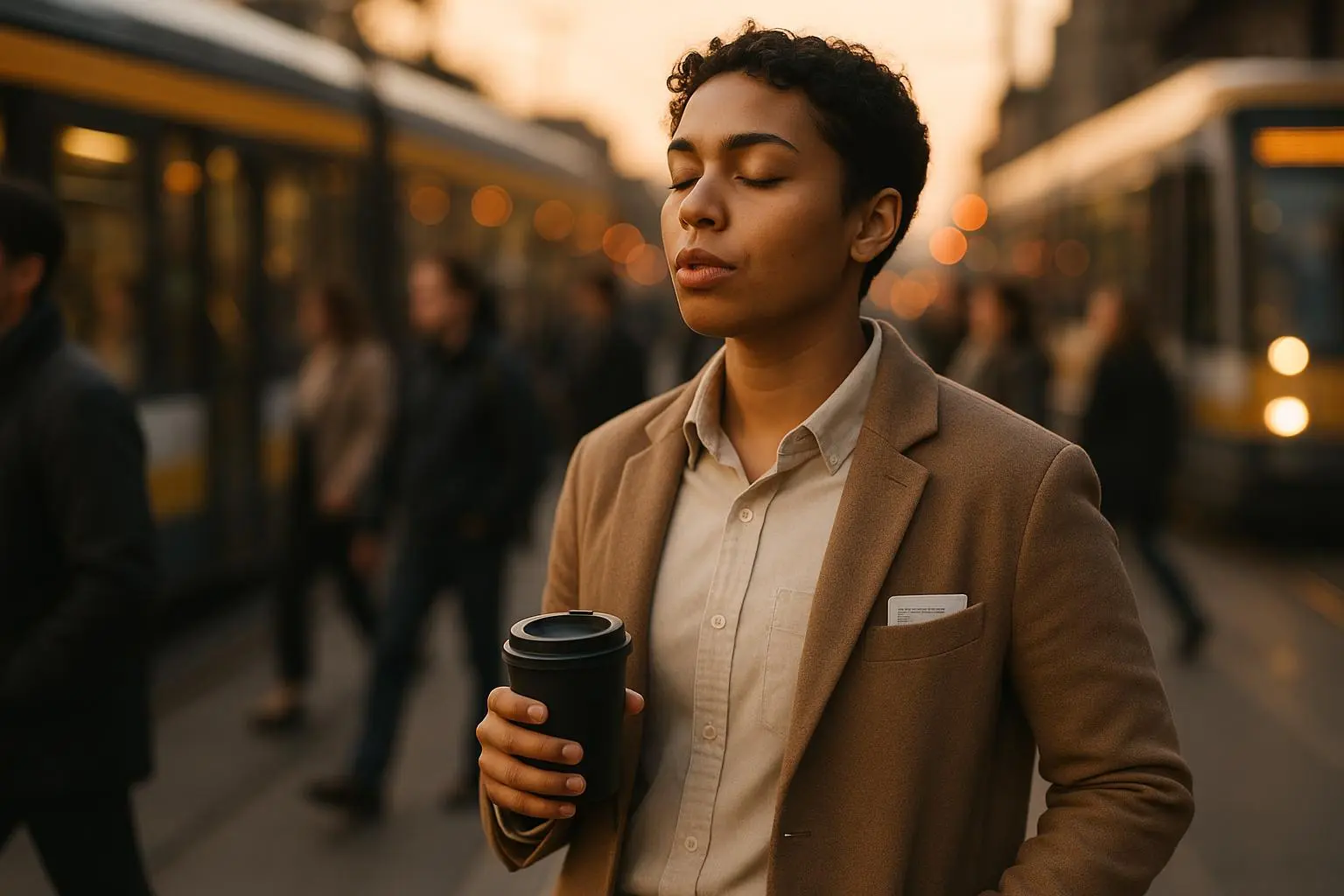
The morning commute is a universal excuse to press snooze on your brain. You’re not imagining it: those minutes between your front door and a seat on the train can feel like a full stop on energy. I’ve lived it. I’ve watched it in countless colleagues who roll into a desk, eyes barely open, suggesting that a simple routine might flip the switch.
Here’s the thing I learned by trial and a handful of failed mornings: you don’t need a long ritual to feel awake. You need a tiny, repeatable script you can run anywhere. Think of it as a power-up you execute in real time, not a plan you carve into your calendar.
And yes, I’ve tested this with real people in real places. The point is to give you something you can actually do, not something you read and forget. Below, I’ll walk you through the 90-second core, show how to adapt it to different commutes, and share a simple seven-day trial you can run to see if this actually moves the needle for you.
A quick moment I learned from a bus stop bench: I once forgot to bring a citrus-infused bottle on a chilly morning. Standing there, I realized the ritual is a loop you complete with whatever you have on you. No fancy gear required. Your body isn’t waiting for the perfect setup; it’s waiting for a tiny nudge you can deliver instantly.
Light, water, movement—three little things, one big effect. The ritual is built to be completed in about 30 seconds per element, so you’re never breaking stride. You’ll face sun or window light, take a micro sip of citrus water, and finish with a compact movement that gets blood flowing and breath moving. Let me show you how it works, then how to customize it for your ride.
The Core 90-Second Ritual
Light Exposure (30 seconds)
- Sit or walk with your face toward the light. If you’re indoors on a platform or at a terminal, position yourself near a window. If you’re outdoors, face toward the rising sun if it’s available.
- Light isn’t just about waking up your eyes. It nudges your circadian rhythm, reduces melatonin, and primes your brain for action. If it’s a gloomy morning, you can still win here by getting as much natural light as possible for those 30 seconds.
- Practical tip: even when you’re indoors, a 10–20 minute window after sunrise helps, but the 30-second sprint is the one that fits a tight commute.
Citrus-Hydration Micro-Sip (30 seconds)
- Hydration matters. Dehydration is a stealthy energy thief. I carry a tiny bottle with a few citrus slices—lemon or orange works best for a quick taste and a mood lift.
- Take small, mindful sips. Don’t gulp. Focus on the fresh tang and the feeling of moisture in your mouth. It sounds small, but that sensory cue can snap you into present time and wakefulness.
- If you have a water bottle that’s already cold, the chill itself adds a tiny brain wake-up. If you’re cycling or walking briskly, a ¼ to ½ cup is plenty.
Energizing Micro-Movement (30 seconds)
- Pick one movement you can do in limited space: a few jumping jacks, high knees in place, arm circles, or a quick isometric push against a bench.
- The goal is to nudge circulation, raise heart rate briefly, and create a small release of endorphins. If you’re on a crowded platform, a discreet version—like shoulder rolls or tensing/glutes squeezes—still counts.
- If your commute is truly tight, do the movement while you’re standing, not while you’re moving through a bottleneck. The point is momentum, not chaos.
A Real-World 100-Word Story (From My Week on the Ground) I started testing the ritual on a dense weekday where every minute felt borrowed. I was on a platform with a brutal gust of wind, a citrus bottle rattling in my hand, and a spot near a glass pane that collected a sliver of morning sun. I did the 30-second light, a slow sip, and a 30-second movement that started as a wobble and ended as a small, confident bounce. People nearby paused to watch—just enough to remind me I wasn’t doing this for show. By the time the train doors opened, I felt lighter, less drag, a small spark that surprised me.
Micro-moment: I noticed the citrus scent lingered as I boarded, a little bump of memory and focus that stuck with me for the first hour of work.
Variants for Different Commutes
Cyclists
- Integrate light exposure and movement into your pre-ride routine. A quick face-to-window moment before you clip in helps you shift from adrift to alert.
- Hydration is easier when you’re on a bike: a compact bottle with citrus slices tucked in a frame bag makes the sip seamless.
Long-Distance Travelers
- During layovers or short breaks, step outside for a breath of daylight and then perform the micro-movement. Hydrate with citrus water to reset taste and thirst.
- If you’re juggling luggage, do a small isometric push against a luggage handle or a quick knee lift while you stand in line.
Low-Light Days
- You’ll want as much natural light as possible, even if it’s dim. Move closer to windows, face the light, and let the body cue come into play.
- A small light-therapy lamp at home before you head out can compensate for the day’s poor lighting and set a baseline for alertness.
The 7-Day Trial: Track Your Results
Here’s a simple way to know if this is moving the needle for you. Do the 90-second routine every day for a week. Keep a tiny journal and rate two things on a 1–10 scale:
- Your energy on arrival at work
- Your mood for the first hour of the day
Record brief notes: did the citrus taste bring a memory? Was the light cue easy to perform in your environment? Did the micro-movement feel natural or forced? The goal isn’t perfection but a consistent data point you can compare from day to day.
If you find your numbers trending up, you’ve probably hit a real pattern. If not, tweak the recipe. Maybe you need a longer light exposure, a different citrus fruit, or a different micro-movement that suits your space.
Beyond the 90 Seconds: Building a Sustainable Routine
Small rituals compound. The goal isn’t to reinvent your morning but to create a tiny, repeatable moment that travels with you—on foot, on a bike, or between trains. Here’s how to keep it sticky:
- Make it a non-negotiable part of the route. If you’re a morning person who always checks the weather, anchor the ritual to the weather ritual.
- Keep the supplies minimal and portable. A citrus-slice bottle in a small side pocket, a lightweight headband that doesn’t fly off in the wind, a window seat near the sun.
- Use reminders that feel personal, not punitive. A single notification at the exact moment you step off the elevator or reach a platform works better than a generic alarm.
- Reflect weekly. It’s amazing how a quick reflection changes your relationship to the routine. If you notice you’ve fallen off, you can adjust rather than abandon.
Common Questions and Potential Pitfalls
- How long before I feel a difference? Most people notice subtle changes in alertness within a few days, but it varies. The seven-day trial helps you quantify that personal response.
- Can I overdo it? Not easily. This is designed to be gentle and repeatable. If you feel dizzy or light-headed, pause and breathe. The goal is consistent wakefulness, not intense exertion.
- What if I have a sensitive stomach? Citrus can irritate some stomachs. If that’s you, switch to a milder infusion (cucumber-mint) or simply water with a pinch of salt for hydrating electrolytes.
Real-World Feedback, in Brief
I pulled insights from a few commuters who tried the routine and shared what happened:
- A cyclist said the routine fits perfectly into a pre-ride ritual, with hydration easy to manage and a noticeable uptick in readiness.
- A desk-bound commuter reported modest gains but highlighted the importance of consistency and choosing a movement that doesn’t add social awkwardness in a crowded train.
- A traveler on a long layover found relief in stepping into daylight, then applying the same micro-movement, which cleared the post-jet-lag fog a bit.
Citations and evidence underpinning these ideas aren’t about grand claims. They’re building blocks you can trust: light exposure helps regulate circadian rhythm and wakefulness, vitamin C supports energy production and fights oxidative stress, and light therapy has proven benefits in mood and alertness in various contexts[^1^][^2^][^3^].
The Practical Impact: What This Could Mean for You
If you’re open to trying a tiny ritual during your commute, you’re giving your brain a signal: “We’re starting now.” It’s not a promissory note for a miracle morning, but a practical, measurable nudge toward better mood, focus, and energy.
I’ve seen it help people who were skeptical at first. The moment you realize you’re capable of a two-minute routine that genuinely affects how you feel for the next few hours, motivation follows. You don’t need permission from your calendar; you just need to try the first 90 seconds and notice what shifts.
A note about measurement: don’t over-index on one day. Track a week, then compare. The data isn’t to prove you’re a superhero; it’s to show your baseline and the effect of a tiny, repeatable action.
The Science, in Plain Terms
- Light exposure aligns your body with day and night. It nudges wakefulness by reducing melatonin and refreshing your brain’s circuits for attention. Even a small amount of natural light can have meaningful effects on alertness, more so than artificial light in many cases[^1^].
- Hydration matters for cognitive performance. A quick sip of water with a citrus note can provide sensory and physiological cues that wake your senses and improve perceived energy[^2^].
- Short bursts of movement increase blood flow, raise heart rate briefly, and release endorphins that lift mood and reduce fatigue. The goal is not a full workout but a quick nudge to shift your state.
References
Ready to Optimize Your Dating Profile?
Get the complete step-by-step guide with proven strategies, photo selection tips, and real examples that work.